

 Travel Essentials
 Travel Essentials

A comprehensive guide to Ontario's four seasons, helping travelers choose the ideal time to visit based on weather, activities, and budget considerations.
 Travel Essentials
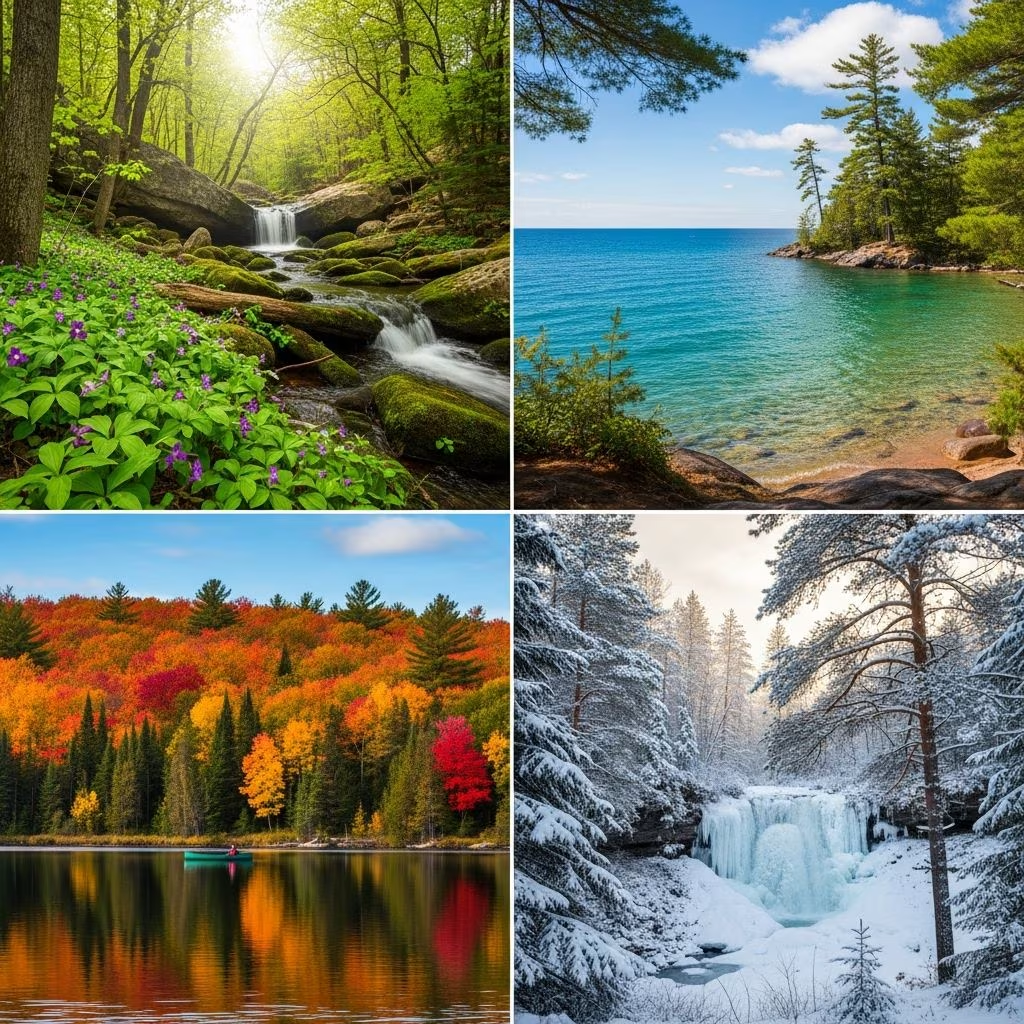
Ontario, Canada’s second-largest province by population and fourth-largest by area, presents a dramatically different face with each passing season. Understanding these seasonal transformations is essential for travelers seeking to maximize their experience while aligning their visit with personal preferences regarding weather, activities, and budgeting. Whether you’re drawn to vibrant cultural festivals, stunning natural landscapes, or cozy winter retreats, Ontario delivers distinct attractions throughout the year.
From late June through August, Ontario enters its warmest and most energetic period, with daytime temperatures hovering between 25-30°C (77-86°F). This season represents the province’s peak tourism window, characterized by an explosion of outdoor entertainment, cultural celebrations, and recreational activities that draw millions of visitors annually.
Summer in Ontario transforms urban landscapes into vibrant entertainment hubs. Toronto, Ottawa, and other major cities host countless outdoor music festivals, theatrical productions, and street celebrations that capitalize on the extended daylight hours. The Canadian National Exhibition, one of North America’s largest annual fairs, brings carnival attractions, specialized dining experiences, and aerial performances to Toronto during late summer. These events create an electric atmosphere that defines Ontario’s summer identity.
Beyond city boundaries, Ontario’s lake regions surge with activity during these months. Cottagers and tourists flock to destinations along the Great Lakes and numerous inland lakes, where water-based recreation reaches its zenith. Beaches become hubs of social activity, while boating, swimming, and water sports attract enthusiasts from across the continent. Provincial parks that remain open year-round see their highest visitor concentrations during summer months.
However, this popularity comes with trade-offs. Peak-season pricing applies to accommodations, attractions, and dining establishments, meaning travelers should expect elevated costs compared to shoulder seasons. Additionally, summer coincides with Canada’s increasingly severe wildfire season, which can impact air quality and visibility in certain regions, particularly in northern Ontario.
September through October represents Ontario’s most visually stunning period, when deciduous forests undergo a dramatic metamorphosis from green to brilliant oranges, reds, and golds. This seasonal shift, known colloquially as “leaf-peeping season,” draws photography enthusiasts and nature lovers who come specifically to witness the province’s foliage spectacle.
Early autumn (September) offers a practical advantage over peak summer: warm, sunny weather combined with dramatically reduced crowds. Daytime temperatures remain pleasant for outdoor exploration, while humidity levels drop compared to July and August, creating ideal hiking and touring conditions. Early autumn essentially captures summer’s best weather attributes while maintaining the peaceful atmosphere of shoulder seasons.
October’s peak foliage period, however, transforms the experience entirely. Entire landscapes become canvases of brilliant color, particularly in rural areas and provincial parks. This visual transformation attracts substantial visitor numbers, meaning that weekend accommodations and popular tourist sites experience significant congestion during October. Strategic travelers can navigate this challenge by reversing typical weekend patterns—spending weekends in Ontario’s cities while venturing into the countryside during weekdays, thereby enjoying natural scenery with minimal competition for parking, hiking trails, and photo opportunities.
From a practical standpoint, autumn provides moderate temperatures (ranging from cool mornings to mild afternoons) that eliminate the need for heavy winter gear while avoiding summer’s intense heat. This comfort factor, combined with spectacular natural beauty and cultural events celebrating the season’s arrival, positions autumn as an increasingly popular visitation period.
May through early June represents Ontario’s underutilized shoulder season, offering compelling advantages for budget-conscious travelers and those seeking to experience the province’s renewal cycle. During this period, daytime temperatures range from 10-20°C (50-68°F)—cool enough to require layered clothing but warm enough for extended outdoor exploration without extreme weather concerns.
Spring’s botanical significance cannot be overstated. Ottawa’s Commissioners Park hosts Canada’s Tulip Festival in May, displaying over 300,000 flowering plants in spectacular arrangements. Across Ontario, provincial parks and hiking trails emerge from winter dormancy, with fresh green growth and wildflower displays transforming landscapes. For hiking enthusiasts, this timing offers ideal conditions for exploring destinations like Bruce Peninsula National Park and the Niagara Escarpment, where trails remain uncrowded compared to summer months.
Late spring also coincides with significant cultural programming that benefits visitors. Doors Open Ontario, running throughout May and June, provides rare public access to historic buildings, museums, and cultural institutions that typically remain restricted or operate under limited hours. This initiative democratizes access to architectural heritage and allows visitors to explore provincial history comprehensively. Additionally, Indigenous Peoples Day celebrations in June feature performances, cultural demonstrations, and educational programming highlighting First Nations, Inuit, and Métis traditions and contemporary contributions.
Food enthusiasts should prioritize spring visits to experience Ontario’s maple syrup heritage. Numerous Maple Syrup Festivals throughout the province celebrate this iconic Canadian tradition through tastings, production demonstrations, and sugarbush tours, providing experiential culinary education.
From an economic perspective, late spring offers substantial advantages. Airfare and accommodation costs remain below summer peak-season rates, making this window ideal for budget-conscious travelers. However, visitors should prepare for occasional rainy weather and note that this period represents peak black fly season in northern Ontario, making outdoor camping and hiking in the province’s northern regions less pleasant due to insect activity.
From November through March, Ontario transforms into a winter wonderland, with consistent snow cover and temperatures frequently dropping below freezing. While this season appeals primarily to cold-weather enthusiasts, it offers distinctive experiences unavailable during warmer months.
Winter sports dominate the seasonal activity landscape. Ontario’s ski resorts operate at full capacity, attracting snowboarders and alpine skiers from across North America. Beyond resort skiing, backcountry snowshoeing, cross-country skiing, and ice skating gain prominence as outdoor winter activities. Most remarkably, Ottawa’s Rideau Canal—recognized as the world’s largest naturally frozen ice surface—opens for recreational skating, creating a uniquely Canadian experience.
Urban winter experiences rival outdoor activity opportunities. Toronto and Ottawa’s cultural programming intensifies during winter months, with theaters, museums, and concert halls offering robust performance schedules. Winter festivals enhance urban appeal, particularly February’s Winterlude in Ottawa, featuring ice-sculpture competitions, dragon boat racing on frozen waterways, and cultural performances. These events create vibrant urban experiences despite outdoor cold.
Economically, winter presents paradoxical opportunities. Around major holidays (December 24 through January 1), accommodation prices and attraction costs surge due to increased demand from holiday travelers and winter sports enthusiasts. However, February through March often presents excellent lodging deals as post-holiday demand drops while winter conditions persist, making these months ideal for travelers seeking snow-based activities at reduced prices.
| Traveler Priority | Recommended Season | Temperature Range | Key Advantages |
|---|---|---|---|
| Festival & Cultural Events | July-August | 25-30°C (77-86°F) | Maximum outdoor programming, vibrant atmosphere |
| Natural Scenery | September-October | 10-22°C (50-72°F) | Spectacular foliage, comfortable hiking conditions |
| Budget Optimization | May-June | 10-20°C (50-68°F) | Lower accommodation rates, spring attractions |
| Winter Sports | December-February | -5 to -15°C (23-5°F) | Skiing, skating, winter festivals |
| Crowds Avoidance | May-June, September | Variable | Fewer visitors, easier reservations |
Ontario’s vast geographic expanse creates significant climatic variations across regions. Northern Ontario experiences earlier winter onset, longer snow seasons, and cooler summer temperatures compared to the province’s southern regions. Conversely, the Niagara region benefits from Lake Ontario’s moderating influence, creating slightly warmer springs and milder winters compared to inland areas at similar latitudes.
These regional differences mean that seasonal recommendations vary geographically. Northern outdoor enthusiasts planning wilderness camping or backcountry hiking should avoid late spring due to black fly proliferation, instead choosing late summer or early autumn. Conversely, wine country visitors exploring Niagara’s vineyards benefit from extended fall seasons, as cooler temperatures and harvest-time activity create ideal visiting conditions.
Beyond seasonal weather patterns, several practical factors should influence visit timing:
The search for Ontario’s “best” visitation period ultimately depends on individual preferences and priorities. Rather than identifying a single optimal season, travelers benefit from recognizing each season’s distinctive attributes and aligning their visit timing with personal preferences regarding weather tolerance, activity preferences, and budget constraints.
Early autumn (September) arguably offers the most balanced experience, combining summer’s warm weather with autumn’s reduced crowds and early foliage displays. This period avoids winter’s extreme cold, late spring’s insect challenges, and summer’s peak pricing and congestion. Similarly, late spring (May-early June) appeals to budget-conscious travelers and those prioritizing cultural events and spring renewal over visual spectacle.
Ontario genuinely offers year-round visitation merit. The province transforms dramatically across seasons, presenting distinct advantages and unique experiences throughout the calendar year. Successful trip planning requires recognizing these seasonal variations, honestly assessing personal preferences regarding climate and activities, and timing visits accordingly. Whether seeking summer festival excitement, autumn foliage photography, spring cultural programming, or winter sports adventure, Ontario accommodates diverse traveler preferences across its four distinctive seasons.
