

 Travel Essentials
 Travel Essentials

Unlock the best seasons to visit Panama City with insights on weather patterns, crowd levels, costs, and top activities to maximize your urban and coastal adventure.
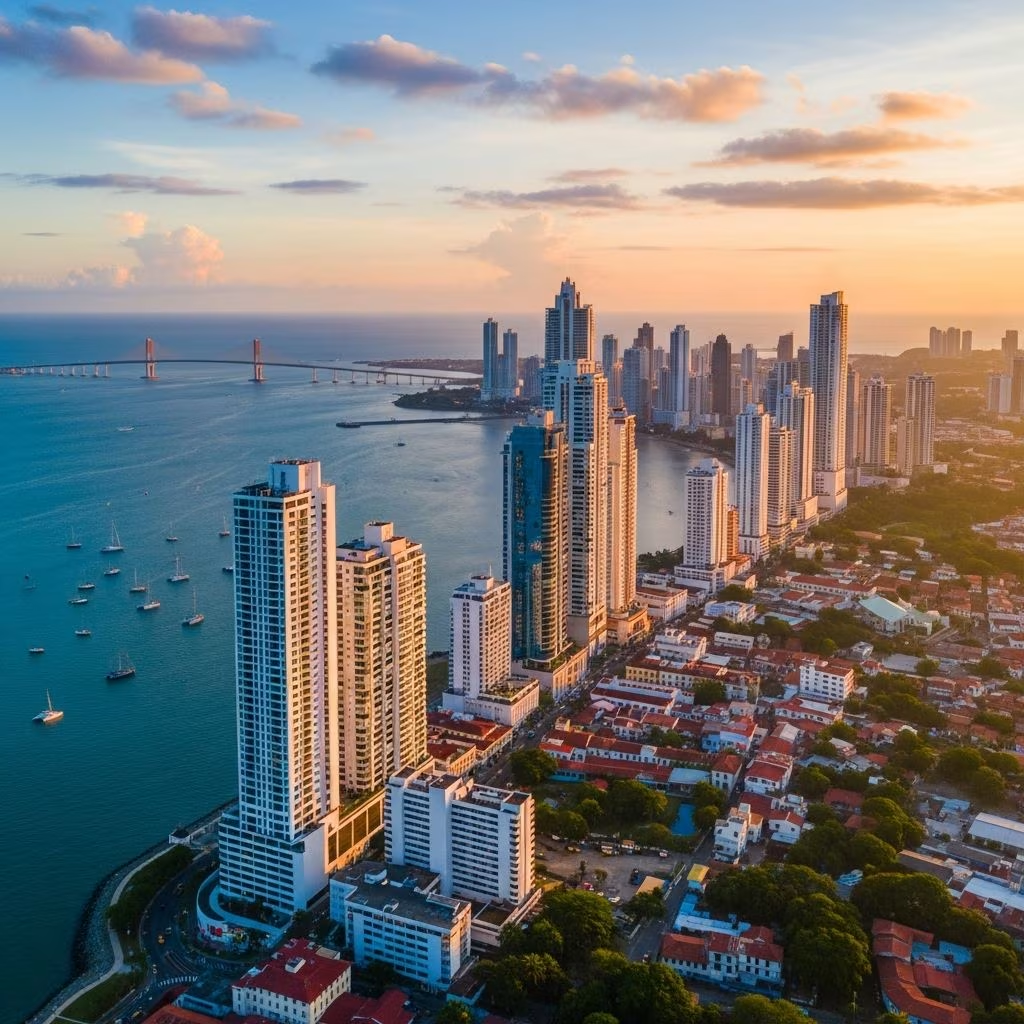 Travel Essentials
Panama City thrives as a dynamic gateway to Central America’s wonders, blending modern skyscrapers with historic charm and proximity to pristine beaches. The prime windows for visitation align with its distinct dry and wet seasons, offering varied experiences from sunny urban explorations to lush, budget-friendly escapes.
Panama City’s climate follows a tropical pattern divided into a dry period from mid-December to mid-April and a wet season spanning May to mid-December. During the dry months, clear skies dominate, ideal for outdoor pursuits, while the wet phase brings afternoon showers that invigorate the surrounding greenery without derailing plans entirely.
| Season | Months | Avg High Temp (°F) | Rainfall (inches) | Crowds | Prices |
|---|---|---|---|---|---|
| Dry | Dec-Apr | 88-91 | 0-3 | High | Peak |
| Early Wet | May-Jun | 86-88 | 7-8 | Moderate | Moderate |
| Mid Wet | Jul-Oct | 86-88 | 8-11 | Low-Moderate | Low |
| Late Wet | Nov-Dec | 86-88 | 4-9 | Low | Low |
This table draws from regional climate data, highlighting how dry periods minimize disruptions for sightseeing, whereas wet months enhance scenic beauty at reduced costs.
The onset of dry weather in December ushers in festive energy, with holiday lights illuminating Casco Viejo and New Year’s fireworks over the skyline. Temperatures hover around 88°F, with negligible rain, making it perfect for canal tours and beach outings to nearby islands. Visitors flock here for reliable sun, but expect elevated hotel rates and bustling streets.
January stands out for cruise arrivals, amplifying the cosmopolitan vibe as ships dock near the Amador Causeway.
March heats up to 90-91°F, the hottest stretch, yet remains rain-scarce, suiting beach lovers and festival-goers. Easter celebrations feature processions and seafood feasts, while April’s tail end offers lingering warmth before rains return. This duo excels for water sports and urban rambles, though humidity climbs.
Despite crowds, the payoff is unobstructed views of the Panama Canal’s massive ships transiting locks.
As April wanes, savvy travelers snag deals before May’s brief showers. Greenery emerges, softening the urban edges, with temperatures steady at 88°F. Fewer tourists mean shorter lines at the Metropolitan Natural Park, where sloth sightings peak amid fresh foliage.
June kicks off consistent rains, but mornings stay bright for market visits and rooftop bar hops. July and August draw families with school holidays, filling beaches despite humidity. Lush rainforests buzz with wildlife, rewarding birders at Pipeline Road.
Waterfalls swell dramatically, creating photogenic cascades near the city.
October peaks in precipitation, but low crowds and rock-bottom prices lure adventurers. November transitions with easing rains, blooming orchids, and quiet streets for deep dives into Panama City’s Afro-Caribbean heritage. Expect 86°F days with vibrant sunsets post-shower.
Panama City’s appeal spans urban, natural, and coastal draws, each faring differently by season.
| Activity | Best Season | Why | Alternatives |
|---|---|---|---|
| Canal Viewing | Dry (Dec-Apr) | Clear sightlines at Miraflores | Nov for fewer people |
| Beaches/Islands | Peak Dry (Feb-Apr) | Calm seas, hot sun | May-Jun for value |
| Hiking/Parks | Shoulder Wet (May, Nov) | Lush trails, wildlife active | Dry for dry paths |
| Festivals/Culture | Mar-Apr | Carnaval, Easter events | Year-round markets |
| Budget Travel | Sep-Nov | Low rates, quiet vibe | Jun-Aug deals |
This breakdown helps tailor trips to priorities, ensuring weather enhances rather than hinders enjoyment.
Humidity persists, so breathable fabrics prevent discomfort.
Panama City’s calendar pulses with culture:
Aligning visits boosts immersion.
North American escapes swell dry season numbers, inflating costs; wet months slash them, with flights 30% cheaper. Shoulder periods strike the sweet spot—pleasant weather minus peak premiums. Monitor apps for real-time occupancy.
February: Optimal weather, moderate crowds post-holidays.
Yes—showers are short; landscapes dazzle, savings abound.
Highs 86-91°F year-round; breezes from the bay temper it.
Rare direct hits; Pacific side sees less activity than Caribbean.
July-August: Kid-friendly events, warm waters despite rain.
Opt for reef-safe sunscreen at beaches, support local eateries using seasonal produce, and choose eco-tours minimizing park impact. Dry season reduces erosion risks on trails.
(Word count: 1782)
