

 Travel Essentials
 Travel Essentials

Unlock Patagonia's best travel windows: summer for hikes, shoulders for fewer crowds, winter for snow sports. Plan your trip with seasonal insights on weather, activities, and tips.
 Travel Essentials
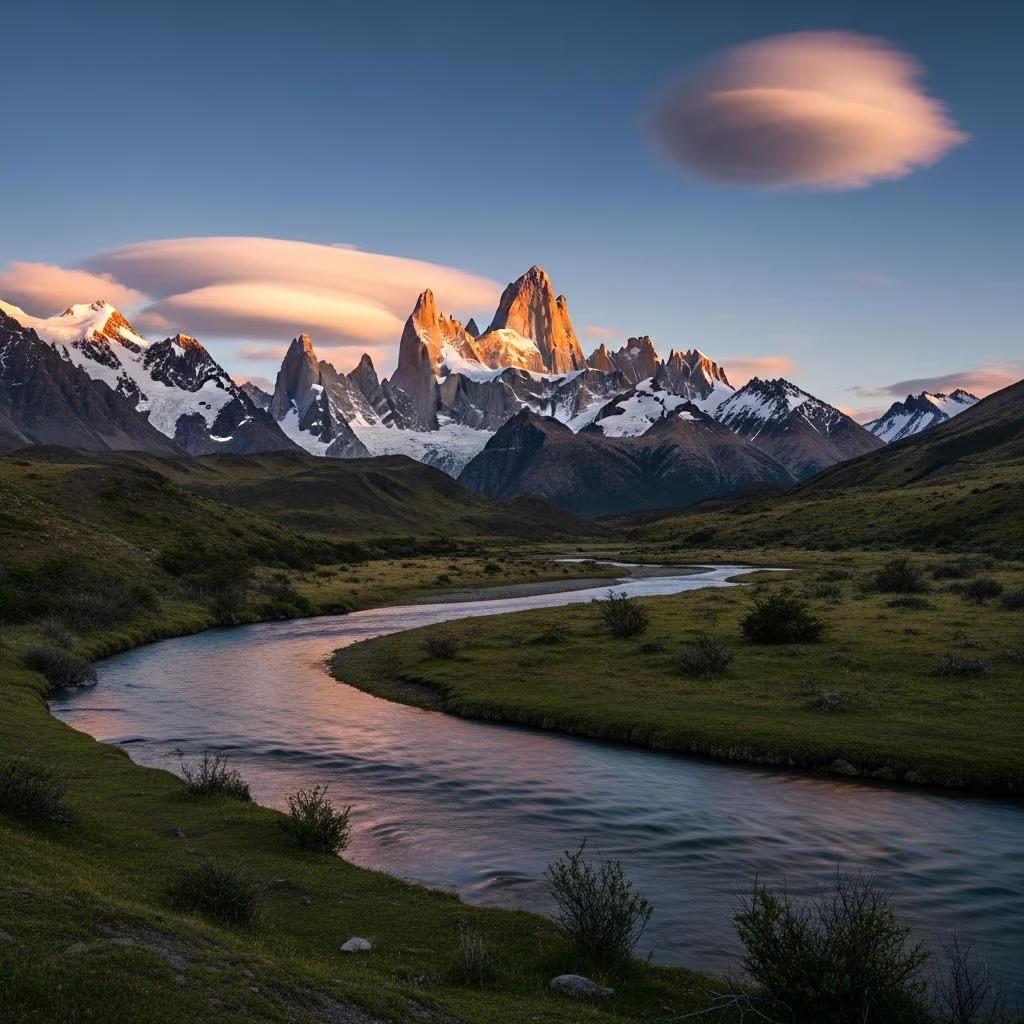
Patagonia, spanning southern Chile and Argentina, offers dramatic landscapes from jagged peaks to vast glaciers, but its remote location and extreme weather demand careful timing. The prime period for most visitors aligns with the Southern Hemisphere’s warmer months from November to March, delivering accessible trails, extended daylight, and vibrant ecosystems. Shoulder seasons provide quieter paths and unique scenery, while winter suits snow enthusiasts. This guide breaks down seasonal highlights, monthly details, activity recommendations, and essential preparation to maximize your journey.
Patagonia’s climate defies simple categorization due to its vast size and varied microclimates—from the windy steppes of Torres del Paine to the milder Lake District. Summer brings the most reliable conditions for outdoor pursuits, yet infamous gales persist year-round. Expect temperatures averaging 10-20°C (50-68°F) in peak season, dropping to freezing at night, with winds exceeding 100 km/h (62 mph) possible anytime. Shoulder periods temper crowds and winds slightly, while winter transforms the region into a snowy playground with closures in remote areas.
The austral summer dominates as Patagonia’s high season, coinciding with holidays in Chile and Argentina. Long days—up to 18 hours of light—fuel epic treks, glacier hikes, and wildlife encounters. Trails in icons like Torres del Paine and Los Glaciares National Parks open fully post-snowmelt, though high demand means advance bookings are crucial, especially for refugios.
January peaks with vacationers, intensifying winds but offering rafting on Futaleufú River and mountain biking. February eases slightly as locals depart, ideal for less-traveled paths in Aysén or Península Valdés.
Spring revives Patagonia with blooming wildflowers, melting snow, and awakening wildlife. Trails reopen progressively, with November delivering optimal hiking windows before summer rushes. The Lake District’s volcanoes gleam against fresh snow, and days lengthen rapidly. Expect variable weather: mornings crisp, afternoons milder, winds building.
| Month | Avg High (°C) | Key Attractions | Crowd Level |
|---|---|---|---|
| September | 8-12 | Snowshoeing, early blooms | Low |
| October | 10-14 | Wildlife spotting, trail prep | Moderate |
| November | 12-16 | Wildflowers, full trail access | Rising |
Book early for November’s refugios, as demand surges.
Autumn paints Patagonia in fiery hues, with lenga forests turning red-gold against icy lakes—paradise for photographers. Fewer visitors ease trail access, and winds wane post-February. March suits major parks; April offers deals in Bariloche’s Lake District, though mid-month sees declining services. May brings chillier days but vivid colors persist.
Winter quiets Patagonia dramatically, with many lodges and trails closing May-September. Temperatures hover -5°C to 8°C (23-46°F), snowfall blankets peaks, enabling skiing in Tierra del Fuego or puma tracking in Torres del Paine. Fewer crowds mean serene landscapes, but flexibility is key due to weather disruptions.
Ski resorts near Ushuaia thrive; snowshoeing and ice trekking fill days. Remote areas like Chilean fjords limit access—opt for guided tours.
Low season start: Snow lingers, ideal for winter sports prep. Minimal tourists; focus on Bariloche skiing.
Transition vibes: Emerging flowers, guanaco herds active. Trails partially open; winds moderate.
Spring prime: Wildflowers carpet valleys, hikes prime. Book Torres del Paine now.
Early summer buzz: Longest days, penguin viewing peaks. Warm for camping.
High summer frenzy: 18-hour light, adventure overload. Winds strongest—secure gear.
Balanced peak: Trails quieter post-holidays, perfect for Aysén exploration.
Autumn onset: Foliage magic, easier bookings. Photogenic parks.
Shoulder gem: Colors peak early month, deals abound. Lake District shines.
Late autumn: Crisp air, sparse crowds. Some closures begin.
Winter core: Snow sports, wildlife in low light. Flexible itineraries essential.
| Season | Prime Activities | Best Spots |
|---|---|---|
| Summer | Hiking (W Trek), rafting, glacier treks, penguin watching | Torres del Paine, El Chaltén, Perito Moreno |
| Spring | Photography, early hikes, wildlife (guanacos, birds) | Lake District, Peninsula Valdés |
| Autumn | Foliage hikes, boating, estancias stays | Los Glaciares, Bariloche |
| Winter | Skiing, snowshoeing, puma spotting | Ushuaia, Torres del Paine |
Patagonia’s ‘four seasons in a day’ fame holds true—pack windproof jackets, thermals, waterproofs, and sturdy boots regardless of season. High UV demands sunscreen; altitude sickness rare but hydrate. Check park updates via official sites; permits needed for circuits. Sustainable travel: Stick to trails, support local operators.
November or March: Mild weather, fewer crowds, full access.
Yes, with guides; avalanches possible—check forecasts.
Gusts over 100 km/h close trails; monitor apps.
20-40% savings on lodging; bundle tours.
Limited in parks; stock up in towns like Puerto Natales.
Torres del Paine (Chile) mirrors global patterns—summer busy, winter sparse. Argentine side (El Chaltén) warms slightly more. Tierra del Fuego coldest; Aysén fjords wettest. Tailor plans: North for lakes, south for extremes.
Climate change shifts patterns—earlier melts, erratic rains—emphasizing adaptive travel. Whether chasing granite towers or glacial blues, timing elevates Patagonia’s raw allure into memory-defining escapes.
