


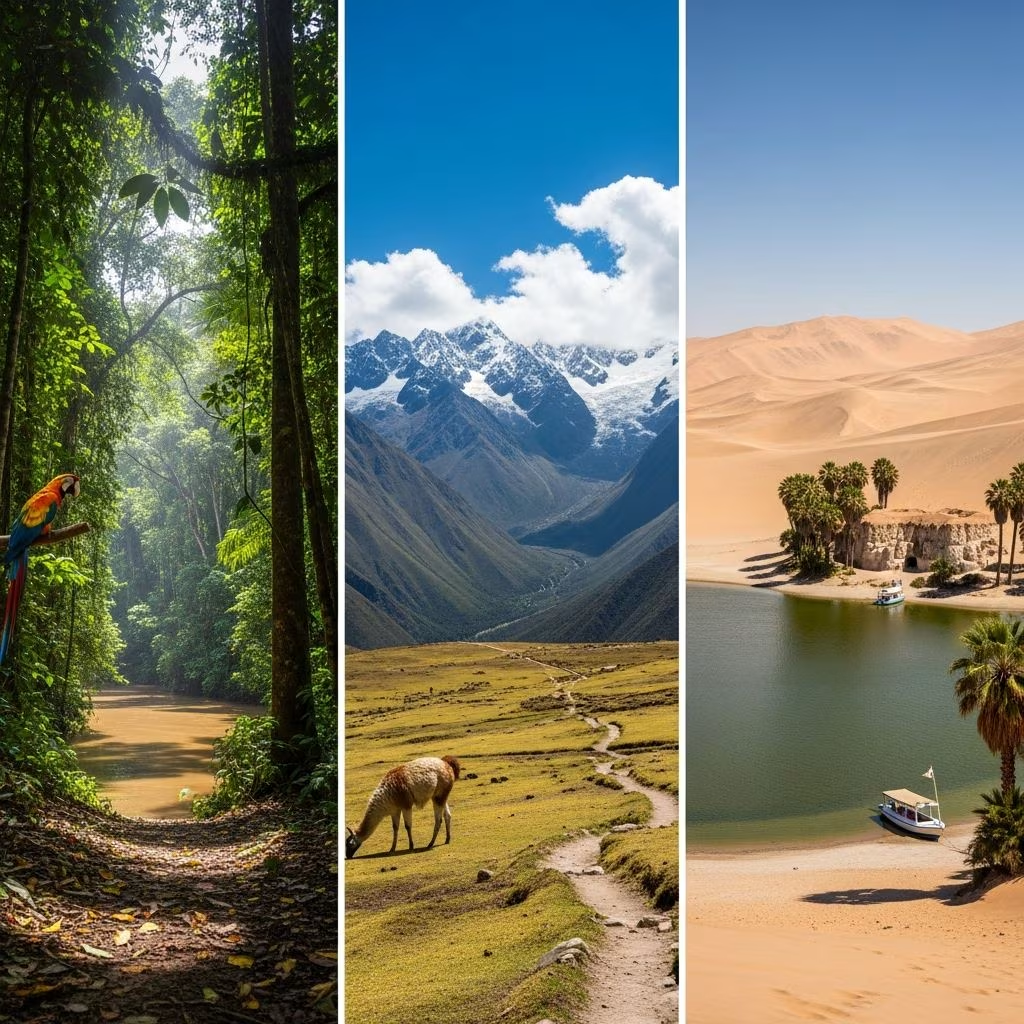
Peru presents a fascinating tapestry of climates and landscapes, each with distinct seasonal characteristics that significantly influence the travel experience. Understanding these variations is essential for travelers seeking to maximize their enjoyment whether trekking through mountain passes, exploring ancient ruins, or navigating the Amazon rainforest. The country’s geography spans from the Pacific coast to the Andean highlands to the dense tropical rainforest, meaning seasonal patterns vary dramatically by region.
Understanding Peru’s Dual Climate Systems
Peru operates on two primary seasonal divisions that govern much of the country’s weather patterns. The dry season extends from May through October, characterized by stable atmospheric conditions and minimal precipitation across the highland regions. Conversely, the wet season spans November through April, bringing substantial moisture and unpredictable weather patterns, particularly in the Andes and Amazon basin.
However, Peru’s climate complexity extends beyond this simple binary division. The coastal regions follow their own climatic rules, experiencing warm summer conditions from December through March, while the Amazon rainforest maintains year-round tropical conditions with seasonal fluctuations in water levels and wildlife visibility. This geographical diversity means that the “best” time to visit depends entirely on which regions capture your travel priorities.
The Dry Season: Optimal Mountain Conditions
The five-month window from May through October represents the premier period for mountain-focused activities. During these months, the Andes experience minimal rainfall, clear skies, and stable weather patterns that create ideal conditions for trekking, mountaineering, and archaeological exploration.
Temperature and Visibility: Highland temperatures during the dry season range approximately from 5°C to 20°C (41°F to 68°F), with pronounced variations between sunny daytime hours and frigid nighttime temperatures at altitude. The crisp, clear conditions provide exceptional visibility for photography and viewing mountain landscapes.
Peak Activity Months: Within the dry season, June, July, and August emerge as the most popular travel months. July and August particularly attract international trekkers, as these months offer the most stable weather and highest visibility—though at the cost of substantial tourist congestion. Those seeking to hike the Inca Trail during these premium months should initiate planning 9-12 months in advance to secure permits.
Shoulder Season Advantages: May and September bookend the dry season with distinct advantages. May maintains dry conditions while experiencing fewer trekkers than midsummer. September similarly offers dry weather with reduced crowds and warming temperatures as spring approaches the Southern Hemisphere. These months often represent the optimal balance between weather reliability and manageable visitor volumes.
The Wet Season: Fewer Crowds and Green Landscapes
The November-to-April period presents a fundamentally different travel proposition. While heavy precipitation characterizes this season—particularly from December through February—it simultaneously offers compelling advantages for flexible travelers.
Accessibility and Conditions: Despite increased rainfall, Peru remains fully accessible during the wet season. Machu Picchu operates normally, though the famous Inca Trail closes entirely during February for maintenance. For those interested in general trekking, conditions become more challenging with muddy trails, reduced visibility due to cloud cover, and higher altitude hazards, yet many routes remain navigable.
Crowd Reduction and Cost Savings: The wet season attracts substantially fewer tourists, resulting in reduced competition for accommodations, guides, and tourism services. This decreased demand typically translates to lower hotel rates and flight prices, making this period attractive for budget-conscious travelers. January and February offer particularly economical pricing.
Environmental Benefits: The rainy season transforms Peru’s landscapes into verdant showcases. Mountain valleys display vivid green vegetation, and the Amazon rainforest reaches peak lushness. For wildlife enthusiasts, the flooded rivers during this period concentrate animal populations, making wildlife spotting more rewarding despite atmospheric challenges.
Regional Variations: Tailoring Your Itinerary
Peru’s distinct geographical zones experience dramatically different seasonal patterns, necessitating region-specific planning:
Andean Highlands
The mountainous interior, including Cusco, the Sacred Valley, and Machu Picchu, experiences the clearest distinction between seasons. The dry season (May-September) provides optimal trekking conditions, clear archaeological viewing, and snow-capped mountain vistas. The wet season brings clouds, fog, and challenging trail conditions but compensates with reduced crowds and refreshed landscapes.
Coastal Regions
The Pacific coastline operates on an inverted seasonal pattern relative to the highlands. Lima and other coastal cities experience their warmest, sunniest conditions from December through March, creating ideal beach conditions. However, during the May-September dry season in the mountains, the coast experiences “La Garúa,” a thick fog that creates cool, grey weather despite its coincidence with peak mountain-season tourism.
Amazon Rainforest
The jungle maintains tropical warmth year-round but experiences seasonal water level fluctuations. The dry season (May-October) reduces mosquito populations, lowers water levels to concentrate wildlife along riverbanks, and improves overall trekking conditions. The wet season brings higher water levels enabling broader boat navigation but increases mosquito activity and reduces visibility.
Monthly Planning Framework
| Period | Weather Profile | Tourist Density | Pricing Level | Optimal Activities |
|---|---|---|---|---|
| January-February | Heavy rain, summer on coast | Very Low | Very Low | Beaches, city exploration, budget travel |
| March-April | Decreasing rain, mild conditions | Low to Medium | Low to Medium | Transition hiking, cultural sites |
| May-September | Dry, clear skies, cold nights | Medium to Very High | Medium to High | Mountain trekking, Machu Picchu, highlands |
| October-November | Shoulder conditions, mild rain possible | Low to Medium | Medium | Balanced trekking, mixed activities |
Specialized Travel Considerations
Trekking and Mountain Activities
For serious trekkers, the June-August window provides the most reliable conditions, though May and September remain viable with advance planning. The Inca Trail specifically requires permit reservations many months ahead during peak season. Non-trekking mountain visits to Machu Picchu and regional archaeological sites remain possible during off-season months, with the tradeoff of cloudy conditions for solitude.
Wildlife and Nature Observation
Amazon rainforest tours and wildlife viewing optimize during the dry season when wildlife concentrates along lower water levels and mosquito populations decline. The wet season offers lush vegetation and higher animal activity but with increased insect hazards.
Festival and Cultural Events
Major celebrations including Inti Raymi (June) and Carnival (February/March) coincide with specific seasons. Travelers interested in cultural immersion should align their plans with these occasions, recognizing that festival periods drive increased tourism and require advance accommodations planning.
Strategic Planning by Traveler Type
Adventure-Focused Travelers
Those prioritizing trekking, mountaineering, and outdoor activities should concentrate on June through August, accepting higher crowds and costs as the trade-off for superior weather certainty. May and September offer worthy alternatives with modestly less crowding.
Budget-Conscious Explorers
Travelers seeking cost optimization should consider January, February, or March, when prices drop substantially. While weather proves less predictable, many activities remain accessible, and the experience of exploring Peru with minimal tourist crowds offers unique rewards.
Balanced Experiencers
Those seeking equilibrium between weather reliability, manageable crowds, and reasonable pricing might target April, May, October, or November—the shoulder seasons. These months deliver decent weather without midsummer congestion and provide better value than peak season rates.
Practical Booking and Preparation Tips
- Inca Trail bookings: Reserve 9-12 months ahead if targeting June-August; 3-6 months for shoulder seasons
- Accommodation in popular towns: Book early in peak season; flexibility in wet season yields better rates
- Altitude acclimatization: Plan extra days in Cusco regardless of season; altitude affects all visitors
- Layered clothing: Mountain regions require warm jackets even during dry season due to temperature swings
- Regional research: If combining coast and mountains, verify that chosen dates suit both destinations
- Flight flexibility: Wet season flights may experience delays; build buffer time into itineraries
Frequently Asked Questions
What is the single best month to visit Peru?
While personal preferences vary, June represents an excellent compromise between reliable weather, acceptable (if not minimal) crowds, and strong tourism infrastructure. July and August offer superior weather but maximum congestion. May or September suit those prioritizing fewer people over slight weather trade-offs.
Can you visit Machu Picchu during the wet season?
Yes. Machu Picchu remains open year-round except that the Inca Trail closes during February. The archaeological site operates regardless of rain, though cloud cover obscures mountain vistas and creates photographic challenges.
Which season offers the best value?
January and February provide the lowest prices. March and April also offer reduced pricing compared to peak season, with improving weather as the months progress.
Is the Amazon visitable year-round?
Yes, but seasonal differences matter significantly. The dry season (May-October) provides better wildlife viewing and fewer mosquitoes. The wet season offers lush landscapes but increased insect activity and higher water levels affecting navigation.
How does Lima’s weather differ from the highlands?
Lima experiences warm, sunny conditions December-March perfect for beach activities, while May-September brings cool fog called La Garúa. This inverse pattern means prime mountain season coincides with Lima’s least pleasant weather, requiring deliberate itinerary planning when combining regions.
Conclusion: Matching Your Priorities to Peru’s Seasons
Peru’s diverse geography and seasonal variations ensure that nearly any travel period can work, provided expectations align with conditions. Mountain adventurers should target the dry season despite crowds and costs. Budget travelers gain exceptional value during wet months, accepting weather unpredictability. Those seeking balance find sweet spots in shoulder seasons. Understanding these patterns transforms Peru from a destination with “a best time” into a year-round opportunity where “your best time” emerges through thoughtful matching of personal priorities to seasonal realities.
References
- Best Time to Visit Peru | Climate Guide — Audley Travel. Retrieved April 2026. https://www.audleytravel.com/us/peru/best-time-to-visit
- Best Time to Visit Peru: Weather Guide, Festivals & Travel Tips — Machu Travel Peru. Retrieved April 2026. https://www.machutravelperu.com/blog/best-time-to-visit-peru
- Best time to visit Peru – Weather & Climate Guide — Rickshaw Travel. Retrieved April 2026. https://www.rickshawtravel.co.uk/peru/information/when-to-go/
- The best time to visit Peru: a complete travel guide — Worldpackers. Retrieved April 2026. https://www.worldpackers.com/articles/the-best-time-to-visit-peru
- Best time to visit Peru – Responsible Travel — Responsible Vacation. Retrieved April 2026. https://www.responsiblevacation.com/vacations/peru/travel-guide/best-time-to-visit-peru
- Best time to visit Peru | Intrepid Travel EU — Intrepid Travel. Retrieved April 2026. https://www.intrepidtravel.com/eu/peru/best-time-to-visit-peru

