

 Travel Essentials
 Travel Essentials

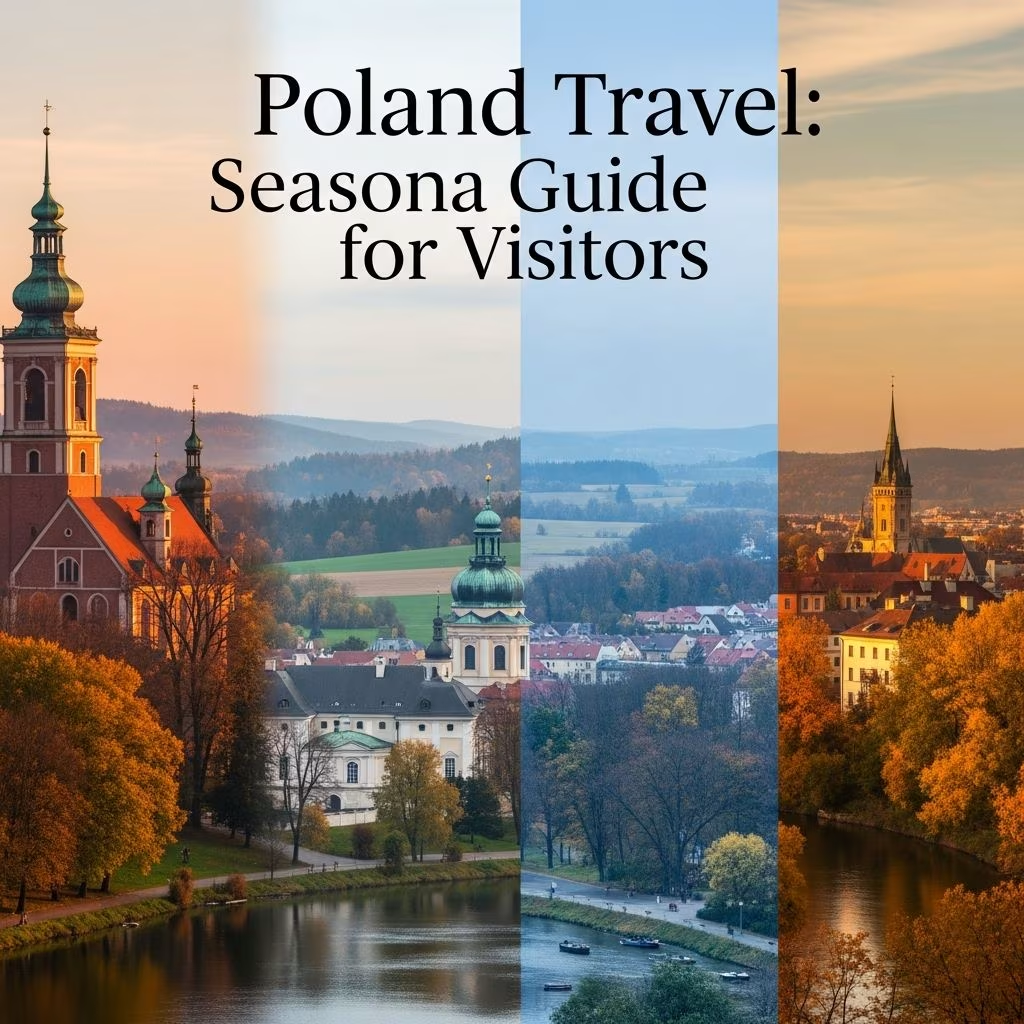
Explore Poland seasonally: from spring blooms to summer festivals, autumn colors, and winter markets. Find the perfect time for your trip.
 Travel Essentials
Poland’s diverse landscape and rich cultural heritage make it an attractive destination throughout the year. However, the experience of visiting changes dramatically depending on when you choose to travel. Understanding Poland’s seasonal characteristics helps travelers make informed decisions based on their preferences for weather, activities, and crowd levels.
Poland experiences distinct seasonal variations that significantly impact visitor experiences. The country transitions from freezing winters to warm summers, with comfortable transitional periods in spring and autumn. Temperature fluctuations range from below freezing in winter months to pleasantly warm conditions in mid-summer. Precipitation patterns also vary considerably, with some seasons experiencing more rainfall than others.
The geographic location of Poland in Central Europe means it benefits from a temperate climate, though mountain regions in the south experience different conditions than coastal areas in the north. Understanding these variations helps travelers pack appropriately and plan activities that match seasonal offerings.
May emerges as one of the most favorable months for visiting Poland, combining multiple advantages for different traveler types. During this period, daytime temperatures reach pleasant levels while maintaining comfortable conditions for extended outdoor exploration. The landscape undergoes dramatic transformation as winter’s grip loosens and nature awakens with vibrant colors.
Late spring benefits from longer daylight hours, extending the productive hours for sightseeing and outdoor activities. Cities begin filling with energy as locals and visitors alike embrace outdoor spaces. Parks and historical districts showcase blooming flowers, creating picturesque settings for photography and leisurely walking tours.
Accommodation prices during May remain more reasonable compared to summer peaks, making it financially advantageous for budget-conscious travelers. Tourist crowds remain moderate, allowing visitors to explore major attractions without experiencing overwhelming congestion. Spring in Poland typically features drier weather patterns compared to winter months, reducing concerns about precipitation disrupting travel plans.
Early spring through early summer creates what travel professionals identify as shoulder seasons, offering distinct advantages for specific visitor preferences. April marks the transition point where winter’s harsh conditions give way to warming temperatures. While occasional snowfall might occur in March and early April, May and June provide reliably warmer conditions.
During this window, cities feel energetic without reaching maximum capacity. Museums, galleries, and historical sites remain accessible with reasonable wait times. Walking tours through medieval old towns and cultural districts become genuinely enjoyable rather than logistically challenging.
Accommodation availability remains better during shoulder months compared to peak summer periods. Hospitality providers maintain more reasonable pricing structures, allowing travelers to extend their stays or allocate budgets toward experiences rather than inflated room rates. This economic advantage particularly benefits families and group travelers planning longer itineraries.
Autumn’s arrival brings another exceptional travel window, often described as the “golden Polish autumn”. Early fall months maintain warm temperatures from the previous season while introducing the visual drama of changing foliage. Forests transform into displays of reds, oranges, and golds, creating stunning landscapes throughout the country.
September and October typically experience lower rainfall compared to other seasons, making outdoor activities particularly reliable. Tourist numbers decline noticeably compared to summer peaks, allowing visitors to experience Poland’s attractions with greater tranquility and authenticity.
Mountain regions become especially appealing during this period. The High Tatras and surrounding areas showcase spectacular autumn scenery while remaining accessible for hiking and outdoor pursuits. Temperatures remain comfortable for extended walking without the summer heat that can make strenuous activity challenging.
July and August represent Poland’s warmest and longest daylight periods, attracting the majority of annual visitors. This peak season brings the most vibrant urban atmospheres, with outdoor cafés, street performances, and cultural events dominating city centers and public spaces.
Summer warmth proves ideal for Baltic Sea beach activities and resort town experiences. Coastal areas from Gdańsk to Sopot become busy social hubs, with restaurants, water sports, and entertainment options operating at full capacity. However, this popularity comes with corresponding price increases and accommodation scarcity during peak weeks.
Mountain accessibility reaches maximum during summer months, with all trails and facilities fully operational. This timing attracts serious hikers and outdoor enthusiasts seeking reliable weather for multi-day expeditions. National parks operate summer programming including guided tours, ranger activities, and educational programs.
Festival seasons peak during summer, with numerous cultural events, music festivals, and food celebrations scheduled throughout June, July, and August. Major cities host outdoor performances, and traditional events showcase Polish cultural heritage to international audiences.
Winter transforms Poland into a distinctly different destination, characterized by festive atmospheres and specialized activities. December brings Christmas markets to major cities, particularly prominent in Warsaw, Kraków, and Gdańsk. These markets feature traditional crafts, regional foods, hot beverages, and holiday decorations creating distinctive European Christmas experiences.
Temperatures drop significantly, with January and February reaching their coldest points. Despite cold conditions, this period attracts visitors specifically seeking winter sports and snow experiences. The High Tatras and southern mountain regions receive reliable snowfall, supporting skiing and snowboarding operations.
Winter crowds thin dramatically outside December, particularly in January and February when most international tourism decreases. This reduction in visitors makes winter appealing for travelers prioritizing solitude and authentic local experiences over warm weather and peak season vibrancy. However, many outdoor attractions and activity options operate with reduced hours or temporary closures during this period.
| Region | Best Visit Period | Primary Attractions | Weather Characteristics |
|---|---|---|---|
| Kraków | May-June, September-October | Medieval old town, Wawel Castle, Kazimierz district | Mild temperatures, manageable crowds outside summer |
| Baltic Coast | June, Early September | Beaches, Gdańsk waterfront, seaside resorts | Warm without peak summer congestion |
| High Tatras | May (spring flowers), September-October (autumn) | Hiking trails, mountain scenery, thermal spas | Comfortable for outdoor activities |
| Warsaw | May-June, September-October | Museums, monuments, historic sites | Mild weather, moderate visitor flow |
| Winter Sports Areas | December-March | Skiing, snowboarding, winter hiking | Snow coverage, cold temperatures |
Visitors prioritizing museums, galleries, and historical monuments find optimal conditions during shoulder seasons when comfortable temperatures support extended walking tours. May through June and September through October provide ideal conditions for exploring architectural heritage without weather complications or overwhelming crowds.
Spring’s longer daylight allows extended afternoon exploration sessions, while autumn’s crisp temperatures make walking comfortable even during full-day itineraries. Both periods see major attractions operating normal hours with reasonable visitor flows.
Spring offers exceptional conditions for outdoor enthusiasts beginning mountain exploration as snow melts and trails become reliably accessible. May represents an ideal starting point for hiking seasons, with wildflower blooms adding visual interest to mountain landscapes.
Autumn maintains warm enough temperatures for comfortable hiking while providing spectacular scenery through changing forest colors. Summer offers the longest available daylight for extended expeditions, though heat can challenge strenuous activity participants.
June provides optimal beach conditions, offering pleasant seaside temperatures without summer’s peak crowds and inflated prices. Early September maintains warm enough water temperatures for swimming while experiencing notably reduced beach congestion compared to July and August.
Summer months command premium rates for accommodations across urban centers and resort areas. Spring and autumn shoulder seasons offer significantly better pricing while maintaining good availability. Winter outside December experiences the most competitive rates but limited service availability.
Travelers seeking authentic experiences with manageable visitor densities should target May-June or September-October. Weekday visits during these periods provide even greater tranquility compared to weekends. July and August, particularly in famous destinations like Kraków and Zakopane, represent maximum crowding periods.
Spring visitors should pack layered clothing accommodating temperature variations and occasional rain. Summer requires sun protection and light clothing for hot conditions. Autumn necessitates medium-weight jackets for cooling temperatures. Winter demands winter coats, boots, and cold-weather accessories for extended outdoor time.
Poland’s cultural calendar concentrates major festivals during warmer months, particularly June through August. Summer programming includes music festivals, food celebrations, outdoor theater performances, and street festivals in major cities.
November brings St. Martin’s Day celebrations in Poznań, featuring parades and traditional pastry consumption. December’s Christmas markets dominate winter programming across major urban centers, attracting holiday-focused travelers.
May emerges as the optimal choice for most travelers, combining warm weather, longer daylight, blooming landscapes, manageable crowds, and reasonable accommodation prices. However, September-October provides similar advantages with autumn foliage, while June-July suits those prioritizing warmth and festive atmospheres.
Winter appeals to specific traveler types: those seeking Christmas market experiences, winter sports enthusiasts, and solitude-seeking visitors preferring reduced crowds. December offers festive atmospheres, while January-February provides the quietest experiences with challenging weather.
Families benefit most from May-June and September-October periods, offering comfortable weather for extended outdoor exploration, manageable crowds at attractions, and optimal conditions for children’s activity levels. Summer provides longest daylight for maximizing daily activities.
July and August provide the warmest temperatures, averaging 23-31°C (73-88°F), particularly in urban areas. However, these months coincide with peak tourism and highest prices.
January-March outside skiing season, and November offer the fewest tourists. Early May mornings and September weekdays also provide relatively quiet experiences at popular attractions.
Poland’s seasonal variations offer distinct advantages for different traveler profiles and priorities. Visitors seeking optimal weather with manageable crowds should target late spring and early autumn windows. Summer attracts those prioritizing warmth, vibrant atmospheres, and festival participation. Winter appeals to specialized interests including Christmas experiences and snow activities.
Regardless of travel timing, Poland’s cultural richness, historical significance, and natural beauty reward visitors throughout the year. The key involves aligning seasonal characteristics with personal preferences and activity priorities to create memorable experiences matching individual travel objectives and comfort levels.
