


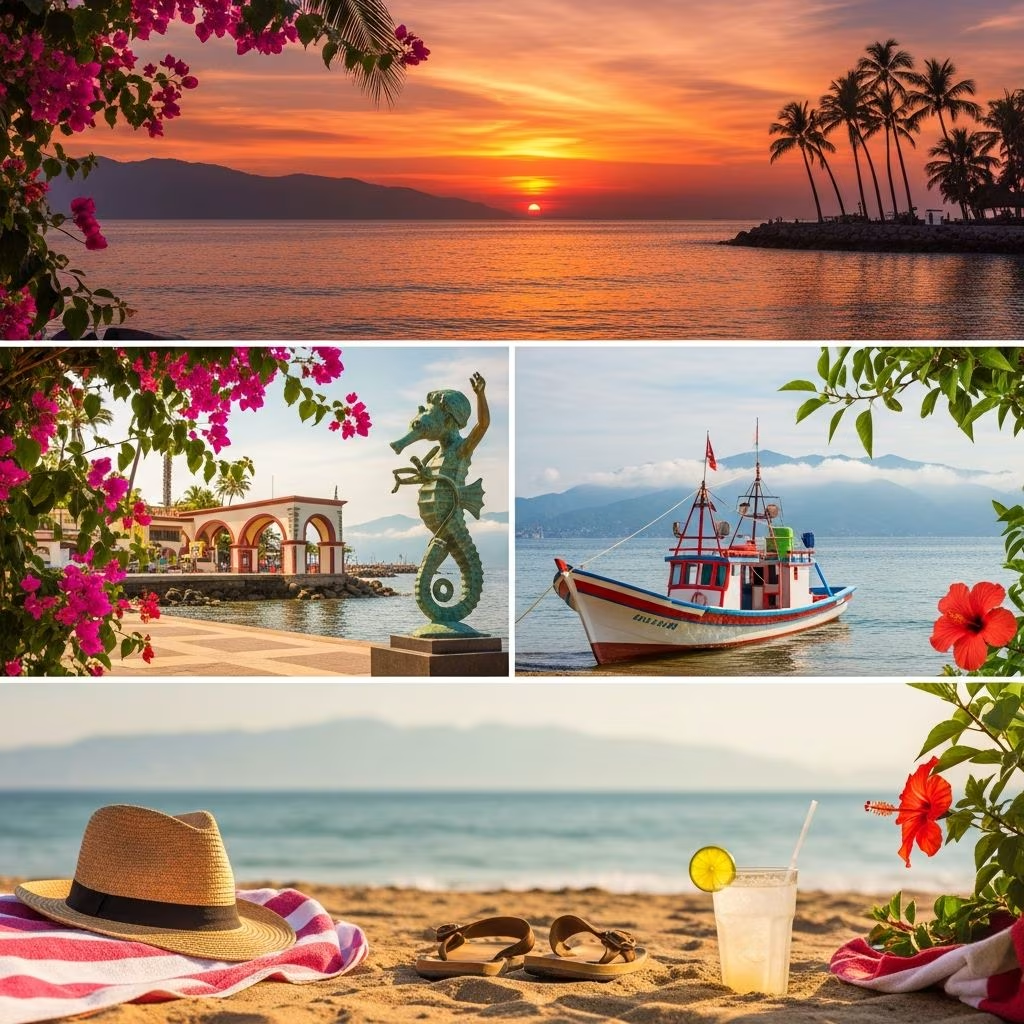
Puerto Vallarta, nestled on Mexico’s Pacific coast, offers year-round appeal with distinct advantages during different periods. Rather than a single “best” time to visit, the ideal season depends on your travel priorities—whether you seek optimal weather, budget-friendly rates, fewer crowds, or specific activities like whale watching and diving.
Understanding Puerto Vallarta’s Seasonal Patterns
The Mexican resort town experiences three primary seasonal divisions that significantly influence visitor experience and pricing. Understanding these patterns helps you align your visit with your specific goals and expectations.
The Winter Peak Season: December Through February
Winter months represent the most sought-after travel period for Puerto Vallarta. During this time, the northern hemisphere’s cooler temperatures make beach destinations particularly attractive to travelers escaping colder climates. The city experiences exceptionally dry weather with temperatures hovering in the comfortable 70-degree Fahrenheit range, creating ideal conditions for outdoor exploration without the intensity of summer heat.
This season coincides with several significant attractions that draw visitors specifically during these months. Humpback whales migrate into Banderas Bay from December through March, creating spectacular opportunities for marine wildlife observation. Whale-watching cruises operate regularly, and morning departures typically provide calmer sea conditions for viewing these 30-ton creatures as they breach from the water.
However, the popularity of winter travel comes with trade-offs. Accommodation prices reach their annual peaks, restaurants and beaches become crowded, and advance booking is essential for securing desired lodging and tour availability. The festive atmosphere appeals to many travelers, but those seeking solitude or budget-conscious options should consider alternative seasons.
The Spring Transition: March Through May
Spring represents a compelling alternative for visitors seeking warmer conditions without winter’s expense and congestion. March maintains winter’s pleasant temperatures while gradually warming as the season progresses. April emerges as the year’s driest month, receiving virtually no rainfall and offering consistently clear skies throughout the day.
The shoulder season from late April through May presents particular advantages for strategic travelers. Temperatures climb into the mid-to-high 80s Fahrenheit, perfect for water activities and beach time without excessive heat. Rainfall remains minimal, and tourist numbers drop significantly compared to winter peaks, creating more relaxed beach experiences and shorter restaurant lines.
One important consideration involves Semana Santa (Holy Week), typically occurring in late March or April. This Mexican holiday attracts substantial domestic travel, potentially affecting accommodation availability and local infrastructure during this specific window. Families planning around spring break should book accommodations well in advance if targeting this period.
The Summer Shoulder: June Through August
Summer months bring significant climatic shifts to Puerto Vallarta, marking the transition from dry to rainy season. Temperatures peak around 90 degrees Fahrenheit with elevated humidity, creating challenging conditions for strenuous daytime activities. Afternoon and evening thunderstorms become regular occurrences, though typically lasting only a few hours before clearing to sunny skies.
Despite challenging weather, summer offers distinct advantages for specific activities and experiences. July provides exceptional underwater visibility for scuba diving, with water temperatures reaching around 85 degrees Fahrenheit. The rainy season triggers dramatic transformations in the landscape—waterfalls shift from trickles to powerful cascades, and jungle vegetation shifts to vibrant emerald green as the region receives intensive moisture.
Financially, summer represents the year’s most affordable period. Hotels, airlines, and tour operators reduce prices substantially to attract visitors during the shoulder season. Tourist crowds thin considerably as families return to academic schedules and winter migrants move to other destinations. Morning hours provide optimal conditions for outdoor activities before afternoon rain arrives, allowing visitors to structure their days accordingly.
The Autumn Period: September Through November
Fall months create an intriguing hybrid season combining summer’s affordability with gradually improving weather conditions. September maintains the heat and humidity of summer months, but October and November experience noticeable cooling and drying trends.
This period holds particular cultural significance for those wanting to experience Puerto Vallarta as locals do. September 16 marks Mexican Independence Day, celebrated with fireworks, street parties, and cultural festivities throughout the city. Tourist numbers remain manageable during September and October, creating opportunities to interact with residents and experience authentic local customs less filtered through tourist infrastructure.
Late November particularly appeals to families and flexible travelers. Temperatures settle into the mid-85s Fahrenheit with minimal rainfall and approaching peak-season crowds that haven’t yet arrived. This creates an advantageous sweet spot combining pleasant weather, lower prices than December arrivals, and manageable congestion.
Activity-Specific Timing Recommendations
Water Sports and Marine Activities
Different water activities reach their peak during specific seasons. Whale watching flourishes from December through March as humpback whales inhabit Banderas Bay. Diving enthusiasts should prioritize July for superior underwater visibility during summer months. Swimming and snorkeling work year-round but require sun protection year-round due to Puerto Vallarta’s proximity to the equator.
Beach and Leisure Activities
Winter and spring months offer optimal beach experiences with comfortable temperatures and minimal rainfall. Late April through May and November provide ideal combinations of warm water, clear skies, and manageable crowds. Summer heat, while challenging for daytime beach time, drives fewer tourists, potentially offering solitary beach experiences for heat-tolerant visitors.
Outdoor Adventure and Hiking
August through October transforms Puerto Vallarta’s landscape into a verdant wonderland, with powerful waterfalls and lush jungle vegetation at their most dramatic. While humidity remains elevated, morning excursions provide excellent conditions for exploring natural attractions before afternoon rains arrive.
Comparative Weather and Comfort Analysis
| Season | Temperature Range | Rainfall Pattern | Humidity Level | Crowd Level | Price Level |
|---|---|---|---|---|---|
| December–February | 70–80°F (21–27°C) | Minimal | Low | Peak | Peak |
| March–May | 80–90°F (27–32°C) | Minimal to Moderate | Moderate | Moderate | Moderate |
| June–August | 85–90°F (29–32°C) | High (Afternoon) | High | Low | Budget |
| September–November | 75–90°F (24–32°C) | Moderate to Minimal | Moderate | Low to Moderate | Budget to Moderate |
Budget Considerations Across Seasons
Accommodation and activity pricing fluctuate dramatically across Puerto Vallarta’s annual cycle. Winter peak season commands premium prices for hotels, restaurants, and tour operators, sometimes reaching 40-50% above summer rates. Spring (March-May) and fall (September-November) offer moderate pricing, representing reasonable compromises between comfort and expense. Summer months deliver the lowest prices as operators attempt to fill empty rooms during the rainy season.
Beyond lodging, dining and entertainment pricing generally follows accommodation trends. Fine dining establishments maintain consistent pricing year-round, but casual restaurants and local eateries may offer modest discounts during shoulder seasons. Tour operators frequently provide better rates and more personalized experiences with smaller group sizes during off-peak periods.
Family Travel Considerations
Family travel planning requires balancing multiple variables including school schedules, weather preferences, and crowd tolerance. Late November combines winter weather advantages with pre-peak-season pricing and manageable congestion, particularly appealing for families seeking reliable conditions without chaos. Late April through early May works similarly, offering warm water, minimal rain, and spring-break congestion having cleared.
Summer travel works well for families tolerating heat and planning around afternoon rain patterns. The season’s lower costs and reduced crowds create potential for more relaxed, individualized experiences. Conversely, families preferring guaranteed dry weather should commit to December-February windows, accepting premium pricing as a trade-off for weather certainty.
Traveler Personality Matching
The “best” time to visit Puerto Vallarta truly depends on individual priorities. Adventure seekers interested in diverse landscapes should visit August-October for dramatic waterfall and jungle conditions. Budget-conscious travelers maximize value during June-August and September-October. Those seeking active social scenes and abundant tourism infrastructure thrive during December-February. Nature photographers capture the most vibrant conditions during rainy season transformations. Couples seeking romantic solitude find optimal conditions during April-May and November.
Frequently Asked Questions
- When is Puerto Vallarta most crowded?
- December through February represents peak tourist season, with particularly heavy crowds during Christmas and New Year holidays. Hotels, beaches, and restaurants operate at capacity during this window.
- What’s the cheapest time to visit Puerto Vallarta?
- June through August offers the lowest prices for accommodations and flights, though visitors must contend with afternoon rain and high humidity during this period.
- Can I visit Puerto Vallarta during hurricane season?
- Puerto Vallarta sits outside the primary Atlantic hurricane belt. While tropical storms can occur June-November, direct hurricane strikes are uncommon. The Pacific Hurricane Season exists but rarely affects this specific location severely.
- Is Puerto Vallarta safe to visit year-round?
- Puerto Vallarta maintains consistent safety standards throughout the year. Standard travel precautions apply regardless of season, with no seasonal safety variations requiring consideration.
- What should I pack regardless of season?
- Strong sunscreen rated SPF 50+, lightweight breathable clothing, and sunglasses are essential year-round. Winter visitors should add light layers for air-conditioned spaces and beach evenings. Summer visitors require quick-dry clothing for afternoon rain.
Strategic Planning Framework
Selecting your optimal visit timeframe requires prioritizing your primary goals. If whale watching tops your priority list, commit to December-March. If budget maximization drives decisions, target June-August or September. If combining multiple interests while maintaining reasonable expenses, late April-May or November offer compelling compromises. Remember that Puerto Vallarta offers worthwhile experiences during every month—the “best” time ultimately aligns with your specific preferences, constraints, and travel philosophy.
References
- Royal Caribbean Inspire — Royal Caribbean. 2024. https://www.royalcaribbean.com/inspire/the-best-time-to-visit-puerto-vallarta
- What’s the best time to visit Puerto Vallarta? — Mexico News Daily. https://mexiconewsdaily.com/travel/whats-the-best-time-to-visit-puerto-vallarta/
- The best time to go to Puerto Vallarta — Lonely Planet. https://www.lonelyplanet.com/articles/best-time-to-visit-puerto-vallarta
- When Is The Best Time To Go To Puerto Vallarta? — Agave Villas. https://agavevillas.com/best-time-to-go-to-puerto-vallarta/
- When is the Best Time to Visit Puerto Vallarta? — Vallarta Adventures. https://www.vallarta-adventures.com/en/blog/best-time-to-visit-puerto-vallarta

