

 Travel Essentials
 Travel Essentials

Explore Romania year-round: shoulder seasons for hikes and cities, summer beaches, winter skiing, with weather, events, and tips for every traveler.
 Travel Essentials
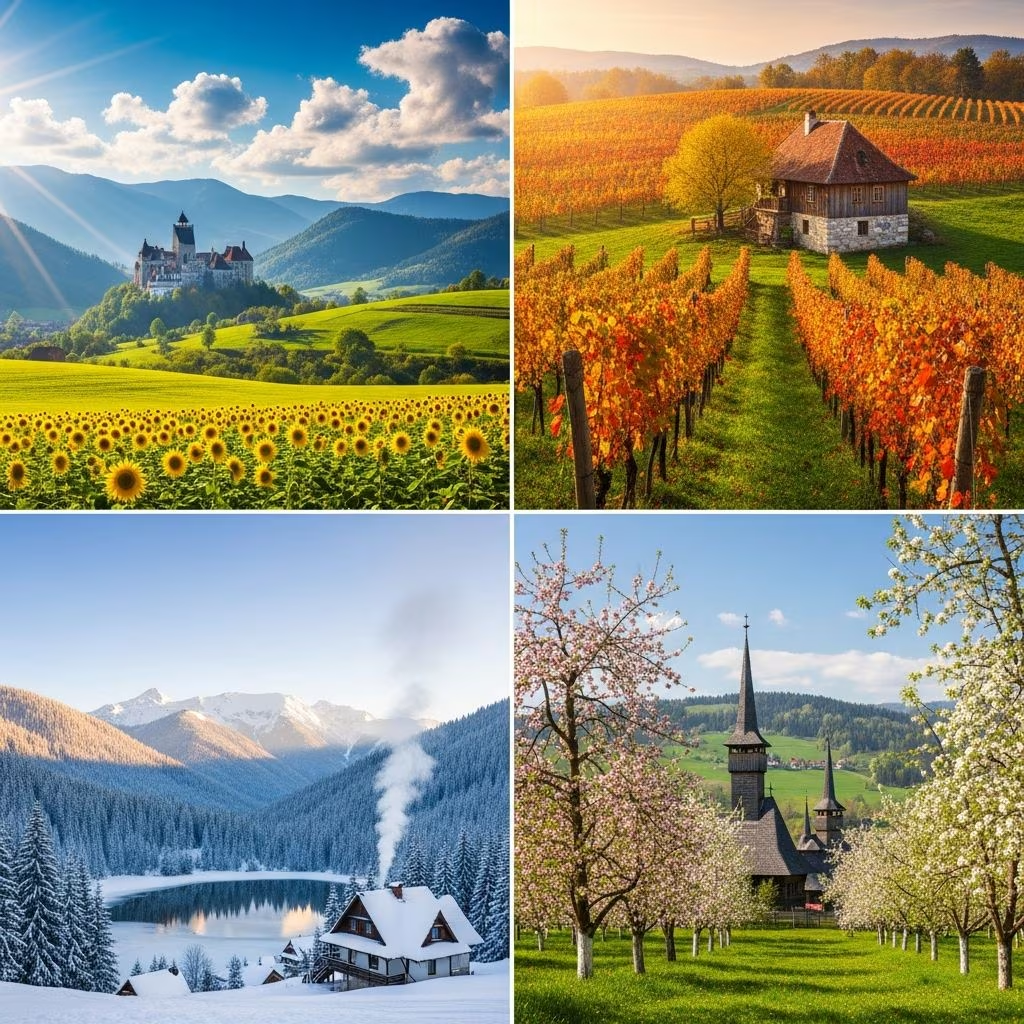
Romania offers diverse experiences throughout the year, shaped by its temperate-continental climate featuring warm summers, cold winters, and transitional shoulder seasons. The optimal periods for most visitors are late spring (May-June) and early autumn (September-October), providing comfortable temperatures between 15-25°C (59-77°F), fewer crowds, and vibrant natural displays. These months suit exploring historic cities like Bucharest and Transylvanian gems such as Sibiu and Brașov, alongside hikes in the Carpathians.
Romania’s weather varies significantly by region: the Black Sea coast enjoys milder conditions, the Carpathian Mountains see cooler temperatures and more snow, while the Danube Delta experiences higher humidity. Summers can hit 30°C (86°F) in lowlands, with occasional heatwaves, whereas winters drop below freezing, especially at elevation. Shoulder seasons balance accessibility and scenery, avoiding peak summer crowds and winter closures.
| Region | Spring (Mar-May) | Summer (Jun-Aug) | Autumn (Sep-Nov) | Winter (Dec-Feb) |
|---|---|---|---|---|
| Black Sea Coast | Mild, blooming (10-20°C) | Hot, beach peak (25-30°C) | Warm days, cooling (15-25°C) | Cold, windy (0-10°C) |
| Transylvania/Carpathians | Thawing, flowers (5-18°C) | Warm hikes (20-28°C) | Foliage colors (10-20°C) | Snowy, ski season (-5-5°C) |
| Bucharest/Lowlands | Variable rain (10-20°C) | Hot, humid (25-35°C) | Crisp, pleasant (12-22°C) | Cold snaps (-2-8°C) |
From March to May, Romania awakens with wildflowers carpeting meadows and fruit trees blossoming, particularly vivid in the Danube Delta and Maramureș. Temperatures rise from chilly starts to pleasant highs around 20°C (68°F) by May, ideal for city strolls and early hikes without summer heat. Easter celebrations in April feature painted eggs and traditional feasts, drawing locals but not overwhelming tourists. Birdwatchers flock to the Delta as migratory species arrive, though May rains can make trails muddy—pack waterproof gear. Late April to early May strikes the best balance: settled weather, blooming landscapes, and low hotel rates before June upticks.
June through August brings peak warmth, with long days perfect for Black Sea resorts like Mamaia and Vama Veche, where golden sands and lively nightlife thrive under 28-32°C (82-90°F) sun. Inland, the Carpathians offer respite from lowland heat, with trails open for multi-day treks amid bear habitats—stick to guided groups and avoid dusk. Major events include the Sibiu International Theatre Festival (late May-early June) and George Enescu Festival in Bucharest (August-September), blending classical music with urban vibes. High season means crowded sites and higher prices, but families and beach lovers find it unbeatable.
For coastal focus, aim for July-August; mountain escapes suit June or late August to dodge peak heat. Note: Urban areas like Bucharest can feel stifling—opt for air-conditioned sites or evening outings.
September-October transforms Romania into a painter’s palette, with fiery foliage in the Apuseni Mountains and vineyards ripening along the Dealul Mare wine route. Days hover at 15-22°C (59-72°F), crisp mornings enhancing forest walks and scenic drives through Saxon villages like Viscri. Mushroom foraging peaks in September, while October’s George Enescu Festival caps cultural highs. Fewer tourists post-summer mean authentic interactions at harvest markets, though early snow can close high passes by late October. This season excels for photographers and foodies sampling țuică (plum brandy) and sarmale (cabbage rolls).
December to February blankets Romania in white, especially the Carpathians’ Poiana Brașov and Sinaia resorts, offering affordable skiing comparable to Alps at half the price (lifts from €20/day). Temperatures range -5 to 5°C (23-41°F), with Bucharest’s Christmas markets twinkling amid mulled wine and kürtőskalács (chimney cakes). Maramureș wooden churches and merry cemeteries gain festive magic, while rural traditions like colindat (caroling) persist. Low season perks: empty trails for snowshoeing, thermal spas in Băile Herculane. Avoid if prioritizing warmth, as coastal winds chill and some rural roads close.
Tailor your visit by area:
| Season | Essentials | Transport Notes |
|---|---|---|
| Spring/Autumn | Layers, rain jacket, sturdy boots | Trains/buses reliable; rent car for rural flexibility |
| Summer | Sunscreen, hat, light clothes, bug spray | Peak traffic; book ferries/coastal trains early |
| Winter | Thermal wear, gloves, snow chains if driving | Some roads close; favor trains to resorts |
Bear safety: In Carpathians, make noise, use bells, store food securely—sightings rare but respect zones. Connectivity improves with eSIMs for navigation in remote areas.
May or September: Mild weather (15-25°C), blooming/changing scenery, festivals, and thin crowds for cities and countryside.
Absolutely for ski enthusiasts and holiday markets in Brașov/Sibiu; expect cold (-5°C+) but magical snowscapes and low prices.
Peak June-September for swimming; off-season suits walks but water stays cold below 20°C.
Summer (Jul-Aug) busiest on coast/mountains; shoulders offer 50% fewer visitors, better deals.
Late April-May yes for lower trails; higher elevations may have snow—check forecasts.
