

 Travel Essentials
 Travel Essentials

Rome offers year-round appeal, but spring and fall deliver ideal conditions for sightseeing with comfortable temperatures and balanced tourism levels.
 Travel Essentials
Rome beckons travelers throughout the year with its timeless landmarks, but selecting the right season enhances every visit. Mild weather in transitional months combines with cultural vibrancy for the most rewarding experiences.
The Eternal City’s climate follows a Mediterranean pattern: warm summers, gentle springs and autumns, and cooler winters. Average highs range from 15°C in winter to over 30°C in peak summer, influencing crowd sizes and activity options. Shoulder periods from late March to early June and mid-September to late October stand out for their balance of comfort and accessibility.
March through May transforms Rome into a blooming paradise. Temperatures climb from 15°C to 22°C, with blooming jacaranda trees painting streets purple and gardens lush. This period suits extensive walking tours of sites like the Pantheon and Trevi Fountain.
Festivals like Easter celebrations draw locals, adding authenticity without overwhelming crowds. Early spring avoids pollen peaks, making it suitable for sensitive visitors.
June to August brings peak tourism, with temperatures soaring to 28-32°C and low humidity amplifying the sun’s intensity. Long days (up to 15 hours) fuel nightlife and open-air concerts, but midday heat demands strategic planning.
| Month | Avg High (°C) | Crowd Level | Key Events |
|---|---|---|---|
| June | 28 | High | Estate Romana festivals |
| July | 31 | Peak | Outdoor cinema, concerts |
| August | 32 | Peak | Ferragosto (holiday exodus) |
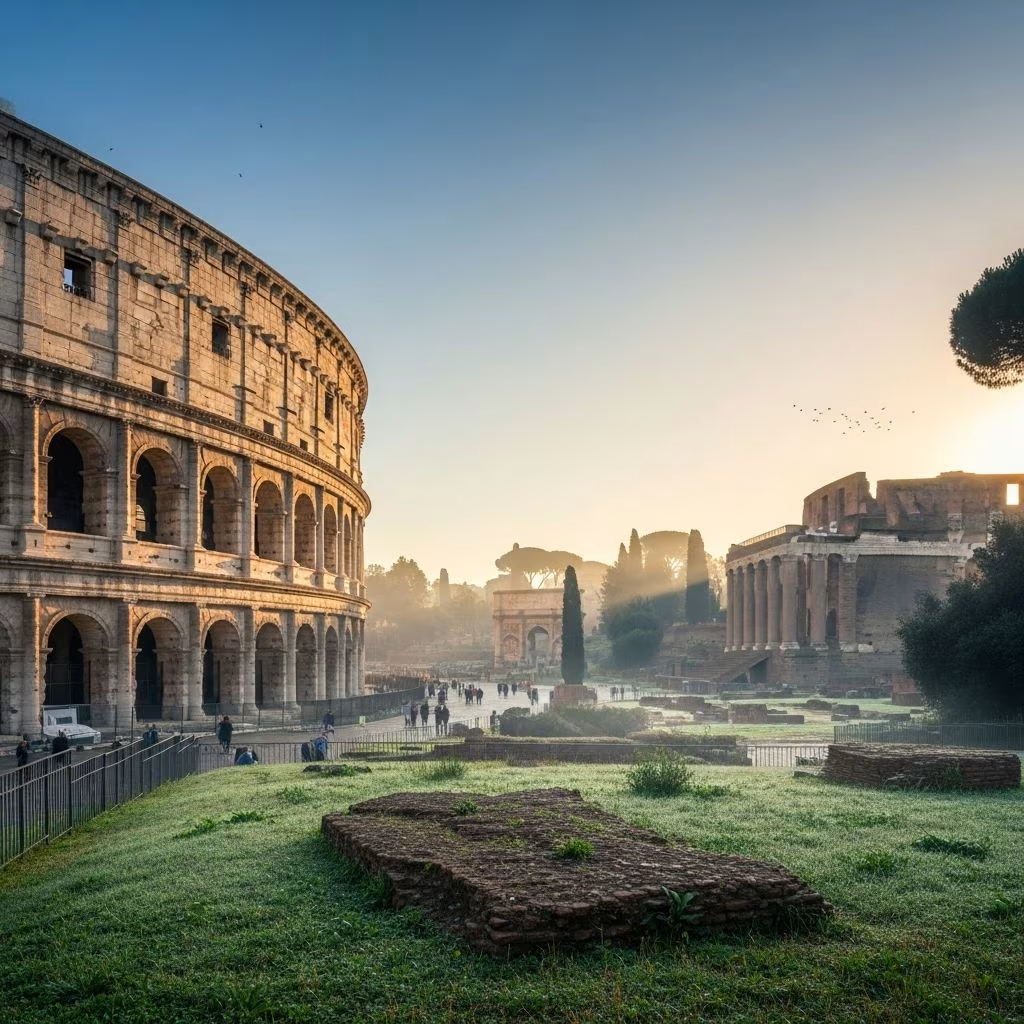
August sees many Romans leave for vacations, slightly easing central crowds despite tourist influxes. Opt for early mornings at the Colosseum or evening gelato strolls to beat the heat. Air-conditioned museums like the Vatican provide relief.
September to November offers postcard-perfect conditions, with highs of 20-25°C fading to 15°C. Golden foliage enhances photos at Villa Borghese, and harvest season elevates cuisine with fresh truffles and artichokes.
Late autumn brings occasional rain, but it’s ideal for indoor pursuits like gallery hopping.
December to February delivers crisp air (8-14°C) and fewer visitors, slashing accommodation costs by up to 50%. Holiday markets illuminate Piazza Navona, and nativity scenes fill churches.
Though rainier (80-100mm monthly), sunny intervals allow bundled-up visits to the Forum. Museums extend appeal with uncrowded galleries, and Carnevale in February injects fun. Many sites maintain hours, but confirm seasonal schedules.
Rome’s microclimate varies: coastal breezes cool Trastevere, while inland areas intensify summer heat. Pack layers for shoulders, sunscreen and hats for summer, and waterproof gear for winter.
Peak summer lines at the Vatican can exceed 2 hours; shoulders reduce this to 30 minutes. Book skip-the-line tickets year-round, especially for high-demand sites. Off-peak yields budget flights and 4-5 star deals.
Families: Spring or early fall for playground-friendly weather and kid-oriented events like chocolate festivals.
Couples: September’s romantic sunsets and fewer crowds enhance intimate dinners.
Budget Travelers: January-February for rock-bottom prices and empty streets.
History Buffs: Any season, but winter for focused, undistracted study.
Monitor forecasts via official Italian weather services. Use public transport passes for flexibility. Hydrate in summer and layer in winter. Sustainable choices like off-peak travel reduce overtourism impacts.
Yes, April offers blooming landscapes, mild 18°C days, and pre-summer crowds for an optimal intro to Rome.
If you prioritize events and don’t mind 30°C+, yes; otherwise, shift to shoulders.
Most are, with reduced hours; Colosseum and Vatican operate daily.
October’s soft light and vivid colors excel.
Average 10 rainy days, but showers are brief.
