

 Travel Essentials
 Travel Essentials

Explore seasonal weather, crowds, and activities to find your perfect time visiting Salt Lake City, from winter skiing to fall hiking adventures.
 Travel Essentials
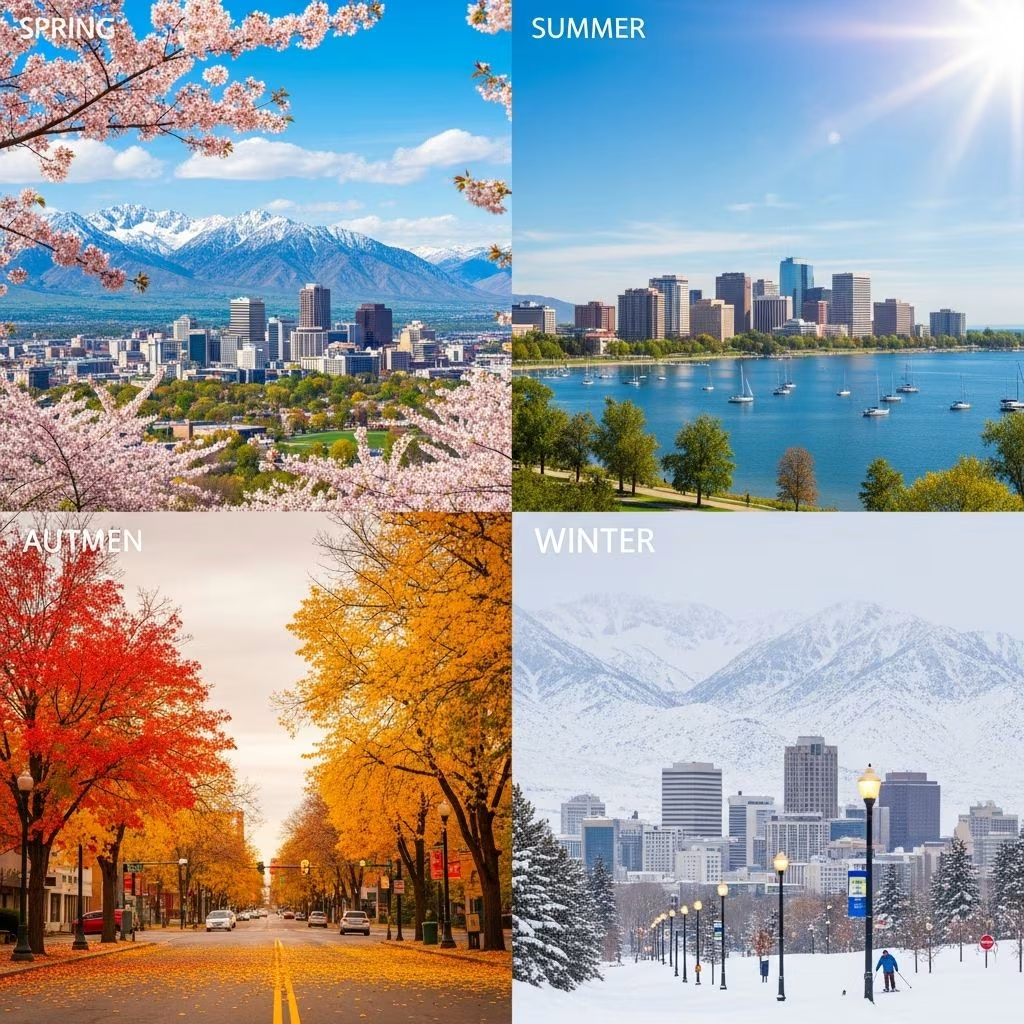
Salt Lake City offers distinctive experiences throughout the year, each season bringing its own character to Utah’s vibrant capital. Nestled between the majestic Wasatch Mountains and the unique Great Salt Lake, this destination attracts visitors seeking world-class skiing, outdoor recreation, cultural landmarks, and urban exploration. However, the timing of your visit significantly influences weather conditions, crowd levels, accommodation prices, and available activities. Understanding what each season offers helps you craft an unforgettable experience tailored to your preferences and budget.
Winter transforms Salt Lake City into a premier destination for snow sports enthusiasts and those seeking festive holiday experiences. From November through February, the nearby Wasatch Mountain resorts—including world-renowned facilities like Snowbird, Alta, and Brighton—operate at peak capacity with consistently excellent snow conditions. The city becomes a basecamp for skiers and snowboarders seeking access to some of North America’s most acclaimed winter terrain.
Temperatures during winter months typically range from the mid-30s to low 40s Fahrenheit, with significant snowfall transforming both the mountains and surrounding valleys into winter wonderlands. This season sees the highest visitor concentrations, particularly during holiday periods and weekends, resulting in premium accommodation rates and increased traffic at popular attractions. For budget-conscious travelers, winter represents the most expensive time to visit, with lodging and airfare prices reaching annual peaks.
Beyond skiing, winter offers distinct advantages for cultural exploration. Fewer daytime outdoor crowds mean easier access to museums, galleries, and indoor attractions like the Church History Museum or Temple Square. The festive atmosphere, holiday decorations throughout downtown, and special seasonal events create a unique urban experience.
Spring, spanning March through May, represents a sweet spot for many travelers seeking balanced conditions and fewer crowds than summer or winter seasons. This period marks a natural transition as winter weather gradually retreats and spring blossoms emerge across the Salt Lake Valley. Average temperatures climb steadily from the low 50s Fahrenheit in March to approximately 70 degrees by May, creating increasingly pleasant conditions for outdoor exploration.
One of spring’s unique advantages is the opportunity to combine multiple recreational experiences. Early spring still offers skiing opportunities at nearby resorts, occasionally extending into May, while simultaneously providing excellent conditions for valley-based activities like mountain biking, golf, and hiking in lower elevation areas. As snow melts from canyon floors, hiking trails in Big and Little Cottonwood Canyon become increasingly accessible, revealing lush landscapes perfect for spring exploration.
Spring weather can be somewhat unpredictable, with occasional rainy spells, particularly in early spring. However, these conditions rarely dampen the season’s appeal for budget travelers and those prioritizing outdoor activities. Hotel rates and flight prices remain significantly more affordable than summer or winter peak periods, making spring an economical choice without sacrificing experience quality.
Spring also brings cultural and entertainment offerings, including outdoor festival season beginnings and renewed activity at popular attractions like Ensign Peak, where panoramic city views enhance the experience of warming days.
Summer months from June through August deliver extended daylight, blue skies, and ideal conditions for family vacations and high-adventure outdoor pursuits. However, valley temperatures can become quite hot, with average highs climbing close to 90 degrees Fahrenheit in July and August, occasionally exceeding 100 degrees during high-pressure weather systems.
The summer season attracts the largest visitor numbers, driven by families on school vacations, festival attendees, and outdoor enthusiasts. This popularity translates to peak pricing for accommodations and increased crowds at major attractions. The trade-off involves access to clear skies perfect for exploring the city’s outdoor offerings and taking advantage of Utah’s festival calendar.
A key summer advantage involves accessing higher-elevation areas that provide cool refuge from valley heat. Mountain hiking, backpacking, and trail exploration offer temperatures 10-20 degrees cooler than downtown Salt Lake City, making summer ideal for extended outdoor adventures in the surrounding Rocky Mountains. The longer daylight hours—with sunrise around 5:30 a.m. and sunset near 9 p.m.—extend recreational opportunities throughout the day.
Fall, particularly September and October, consistently ranks as the most recommended season by local residents and travel experts. This period delivers a rare combination of spectacular natural beauty, ideal weather conditions, and moderate visitor numbers. The second half of September through October brings truly gorgeous weather featuring abundant sunshine, mild temperatures, and low humidity—conditions considered optimal for hiking, mountain biking, and fresh-air activities.
Fall foliage creates a visual spectacle across the region, with color changes beginning in mountain canyons during mid-September and gradually descending to the valley by early October. This staggered progression allows visitors to experience peak fall colors across multiple elevations without traveling far from the city. Early October represents the sweet spot when both mountain and valley landscapes simultaneously display vibrant autumn hues.
The combination of stunning vistas, comfortable temperatures, and fewer crowds than summer creates an unmatched experience for outdoor recreation. Hiking trails throughout Cottonwood Canyon, the Oquirrh Mountains, and surrounding foothills offer crisp autumn air and breathtaking scenery. Cultural attractions like the Utah State Capitol and Natural History Museum of Utah also benefit from reduced visitor pressure, allowing more leisurely exploration.
Fall pricing proves highly competitive, with accommodations and dining offering excellent value compared to summer and winter peaks. This combination of natural beauty, comfort, affordability, and manageable crowds makes fall the highest-rated season for balanced, comprehensive Salt Lake City experiences.
| Season | Temperature Range | Crowd Level | Price Range | Best For |
|---|---|---|---|---|
| Winter (Nov-Feb) | Mid-30s to 40s°F | High | Premium | Skiing, holiday experiences |
| Spring (Mar-May) | 50s to 70s°F | Moderate | Budget-friendly | Outdoor activities, budget travelers |
| Summer (Jun-Aug) | 80s to 90s°F | Very High | Premium | Families, mountain activities, festivals |
| Fall (Sep-Nov) | 70s to 60s°F | Moderate | Competitive | Hiking, foliage viewing, sightseeing |
For outdoor recreation enthusiasts: Fall provides the most balanced experience with mild temperatures and manageable crowds, though summer offers more daylight hours despite valley heat. Spring skiing combined with valley activities offers unique dual-season opportunities.
For budget-conscious travelers: Spring and fall represent optimal choices, offering significantly reduced accommodation and flight prices compared to summer and winter peaks. Late autumn (November) through early spring (March) provides the most affordable rates, though weather varies more dramatically.
For families: Summer delivers consistent weather, festival activities, and school-vacation alignment, though early fall offers similar conditions with fewer crowds and lower prices.
For winter sports enthusiasts: November through March provides access to world-class skiing, with consistency peaking during December through February. Spring months extend skiing opportunities while adding valley recreation options.
For cultural exploration: Spring and fall enable comfortable urban exploration with manageable attraction crowds, making museum visits, historic site touring, and downtown dining more enjoyable than peak summer periods.
Beyond seasonal weather and pricing, several factors influence optimal visit timing. Spring brings occasional rain, particularly early in the season, requiring appropriate gear for outdoor activities. Late October daylight transitions quickly, with sunset occurring by 7 p.m., limiting evening outdoor exploration. Summer crowds extend beyond accommodations to trailheads and popular attractions, potentially diminishing experience quality despite excellent weather.
Winter travel requires appropriate vehicle preparation and winter driving skills due to potential snow and ice conditions. However, the city maintains excellent road infrastructure, and proximity to major ski resorts creates a well-developed winter tourism infrastructure. Spring weather unpredictability demands flexible planning and weather-appropriate clothing layers.
Event calendars also influence visit timing. Major festivals, cultural celebrations, and sporting events concentrate during specific seasons, creating additional crowd pressures but also enriching the overall experience for event-focused travelers. Researching scheduled activities relevant to your interests helps identify periods that enhance your particular travel objectives.
The optimal visit timing ultimately depends on your priorities and preferences. Fall emerges as the consensus choice among locals and experienced travelers, combining natural splendor, comfortable weather, reasonable pricing, and manageable crowds. However, each season offers distinctive advantages for specific travel goals. Winter appeals to snow sports enthusiasts, spring attracts budget-conscious outdoor adventurers, and summer suits families and festival-goers. Spring offers unexpected advantages by allowing simultaneous access to skiing and valley recreation, while avoiding both summer’s extreme heat and peak crowds.
Consider your primary objectives—whether prioritizing outdoor recreation, cultural exploration, budget constraints, or specific seasonal events—then cross-reference seasonal characteristics to identify your ideal timeframe. Salt Lake City’s year-round appeal ensures rewarding experiences regardless of timing, though strategic seasonal selection optimizes satisfaction while aligning with your specific travel motivations and constraints.
Mountain canyons display peak foliage starting mid-September, with colors gradually descending to valley areas by early October. Early October represents the optimal timeframe for experiencing mountain and valley colors simultaneously.
Late autumn (November) through early spring (March) offers the most affordable accommodation and flight rates. Spring and fall shoulder seasons provide excellent value with improved weather compared to winter months.
Yes, nearby resorts often operate into April and occasionally May, allowing spring visitors to combine skiing with valley-based outdoor activities like hiking and mountain biking.
Valley temperatures reach the high 80s to low 90s regularly in July and August, frequently exceeding 100 degrees during high-pressure weather systems. Higher elevations in nearby mountains remain 10-20 degrees cooler.
Spring and late autumn typically experience the lowest visitor concentrations, offering easier access to attractions and reduced pricing compared to summer and winter peaks.
