

 Travel Essentials
 Travel Essentials

Learn how to choose the ideal time to visit San José, Costa Rica based on weather patterns, tourist seasons, and travel budget across all months.
 Travel Essentials
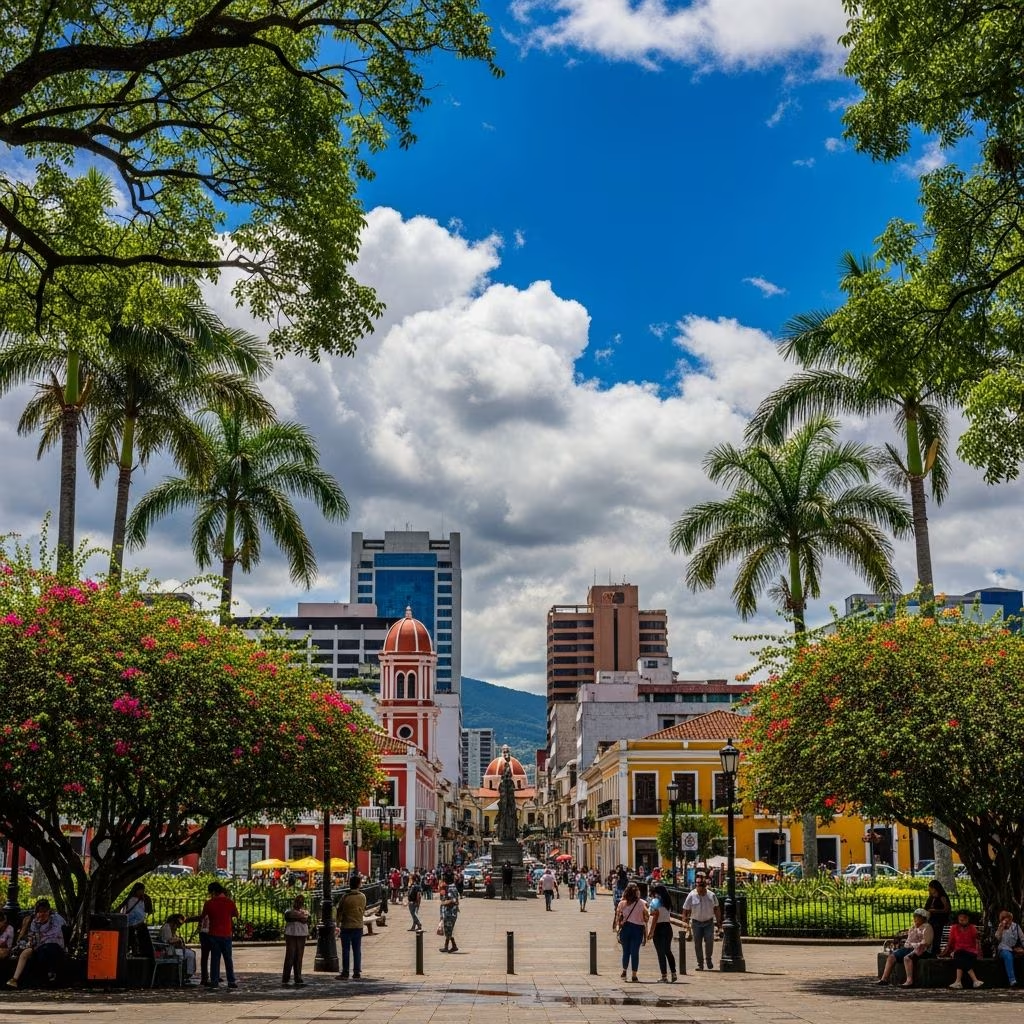
San José, the vibrant capital of Costa Rica, sits in the Central Valley where the climate remains remarkably consistent throughout the year. Understanding when to visit this dynamic city requires balancing several factors: weather conditions, tourist volume, accommodation pricing, and the types of experiences you seek. Whether you’re drawn to outdoor adventures, cultural immersion, or budget-conscious exploration, the timing of your trip significantly impacts your overall experience. This guide breaks down what each season offers and helps you identify the optimal window for your particular travel style.
The Central Valley maintains spring-like temperatures year-round, with average daily temperatures fluctuating between 24–28°C (75–82°F). This consistency makes San José genuinely pleasant regardless of when you travel. However, rainfall patterns create two distinct seasonal periods that shape visitor experiences and local atmospheres quite differently.
Costa Rica’s weather operates on a straightforward system: the dry season and the rainy season. The dry season extends from mid-December through April, while the rainy season encompasses May through November. Understanding these divisions helps travelers anticipate what they’ll encounter and plan activities accordingly.
From December through April, San José experiences its driest period, characterized by opal-blue skies and minimal precipitation. This season transforms the capital into a bustling hub of activity. Temperatures during this period hover around 85–90°F (29–32°C) during daylight hours, creating ideal conditions for exploration and outdoor pursuits.
This timeframe represents Costa Rica’s high season, attracting substantial visitor numbers. Hotels fill quickly, restaurant reservations become necessary, and popular attractions experience longer queues. The abundance of sunshine makes evening excursions and outdoor activities particularly appealing, whether you’re interested in visiting natural pools or navigating the capital’s neighborhoods.
Why People Choose the Dry Season:
The first two weeks of December offer a strategic advantage—fewer crowds than late December while maintaining excellent weather conditions. This narrow window provides a sweet spot for travelers seeking dry-season benefits without the peak holiday rush and inflated pricing.
April and August deserve special attention for travelers with specific interests, particularly those observing religious occasions or seeking transitional experiences. April marks the tail end of the dry season, with some rainfall beginning to appear but conditions generally remaining favorable. August sits midway through the rainy season yet offers unique advantages for certain visitors.
Costa Rica’s official Catholicism influences national holidays and cultural observance, most notably during Holy Week. April captures this significant period, with religious celebrations throughout San José and the Central Valley. The capital’s streets transform with processions, special masses, and cultural festivities. If experiencing Costa Rican religious traditions ranks among your travel goals, timing your visit around this religious observance provides authentic cultural engagement. The National Orchid Show occurs in San José during March, making this month particularly appealing for botanical enthusiasts and photographers.
May through November transforms San José and the surrounding Central Valley into lush, verdant landscapes. The Costa Rican government strategically rebranded this period as the “green season” rather than “rainy season”—and the marketing reflects genuine reality. The increased moisture revitalizes the environment spectacularly, creating conditions that appeal to nature lovers and travelers seeking authentic, less-commercialized experiences.
Rainfall patterns during this season follow a predictable rhythm: mornings typically offer sunshine, with afternoon showers arriving reliably. These showers rarely last all day, allowing substantial time for exploration. Temperatures moderate to around 70°F (26°C) during daytime hours, with cool evenings between 60–65°F (15–18°C). This cooler climate provides welcome relief from the warmth of the dry season.
Distinct Advantages of Green Season Travel:
For photographers and peace-seeking travelers, September and October represent optimal months within the green season. These months balance manageable rainfall with reduced tourism pressure and create ideal conditions for capturing Costa Rica’s natural splendor.
Financial considerations often drive travel timing decisions as significantly as weather preferences. The distinction between high-season and low-season pricing proves substantial in San José and surrounding areas.
The dry season coincides with peak pricing across accommodations, dining, and tour operators. Hotels charge premium rates, particularly during the Christmas-New Year period and throughout February-March. Restaurant prices reflect increased demand, and guided tours operate at maximum capacity with correspondingly higher costs. Budget travelers visiting during this period should anticipate spending roughly 30–50% more than green-season equivalents.
The rainy season delivers substantial financial relief. Hotels offer their best rates of the year, sometimes discounting 30–40% below dry-season prices. Tours and activities cost considerably less, and dining establishments often provide attractive package deals targeting green-season visitors. For budget-conscious travelers, the financial advantages can mean extending your trip duration or upgrading accommodation quality without increasing overall expenditure.
Understanding specific months helps fine-tune your planning beyond general seasonal categories:
| Month | Temperature | Rainfall | Crowds | Best For |
|---|---|---|---|---|
| January | 74–75°F | Light (3.3″) | High | Peak tourism, outdoor activities |
| February | 76°F | Very light (2.5″) | Very High | Optimal dry weather |
| March | 77°F | Light (2.4″) | High | Orchid show, wildlife viewing |
| April | 78°F | Moderate (4.8″) | Moderate-High | Religious observance, transition |
| May-July | 75–77°F | Moderate-Heavy | Low | Green landscapes, budget travel |
| September-October | 75–76°F | Heavy (18–19″) | Very Low | Photography, peace-seeking |
| November | 74–75°F | Moderate (12.6″) | Low | Transition, clearing skies |
| December | 74–75°F | Light (5.9″) | Moderate-High | Festival season, weather transition |
For First-Time Visitors: December through April provides the most straightforward experience. Reliably good weather reduces the complexity of day-to-day planning, and abundant sunshine creates memorable first impressions of Costa Rica’s natural beauty.
For Budget Travelers: May through November delivers unmatched value without compromising experience quality. Afternoon showers prove manageable, and green-season landscapes rival dry-season scenery in aesthetic appeal.
For Adventure Seekers: December through March maximizes opportunities for multiple daily activities. Perfect weather enables full-day hiking, city exploration, and surrounding-area excursions without weather interruptions.
For Photographers and Artists: September and October capture Costa Rica in its most verdant state. The dramatic green landscapes, powerful waterfalls, and abundant wildlife create exceptional visual opportunities despite frequent rainfall.
For Cultural Enthusiasts: March and April align with Costa Rica’s most significant cultural moments, including the National Orchid Show and Holy Week celebrations.
Not substantially. Afternoon showers typically last 2–3 hours, leaving mornings open for exploration. Many travelers find the reduced crowds and lower prices justify occasional rainfall interruptions.
September and October offer the lowest accommodation and tour prices alongside minimal tourism pressure. These months fall squarely within the rainy season but provide the maximum financial advantage.
May through July represents a compromise period offering improved weather versus peak green-season months while maintaining substantial discounts and manageable crowds.
San José remains visitable year-round. Even peak rainfall months present manageable conditions for urban exploration, though outdoor activities may face occasional interruptions.
For dry season travel, booking 2–3 months ahead ensures better selection and rates. Green season bookings can often occur with 2–4 weeks’ notice, reflecting lower demand.
San José’s pleasant year-round climate eliminates weather as a prohibitive factor for any season. Instead, your decision hinges on balancing competing priorities: the sunshine and crowds of the dry season against the lush landscapes and financial savings of the green season. First-time visitors and those prioritizing guaranteed weather lean toward December through April. Experienced travelers, budget-conscious explorers, and those seeking authentic cultural experiences gravitate toward May through November. Ultimately, any time you visit this engaging Central Valley capital offers rewards—the question becomes which combination of benefits aligns with your particular travel philosophy and circumstances.
