

 Travel Essentials
 Travel Essentials

Unlock the best periods to visit San Sebastián with insights on weather patterns, peak events, crowd levels, and insider tips for every season to plan your perfect trip.
 Travel Essentials
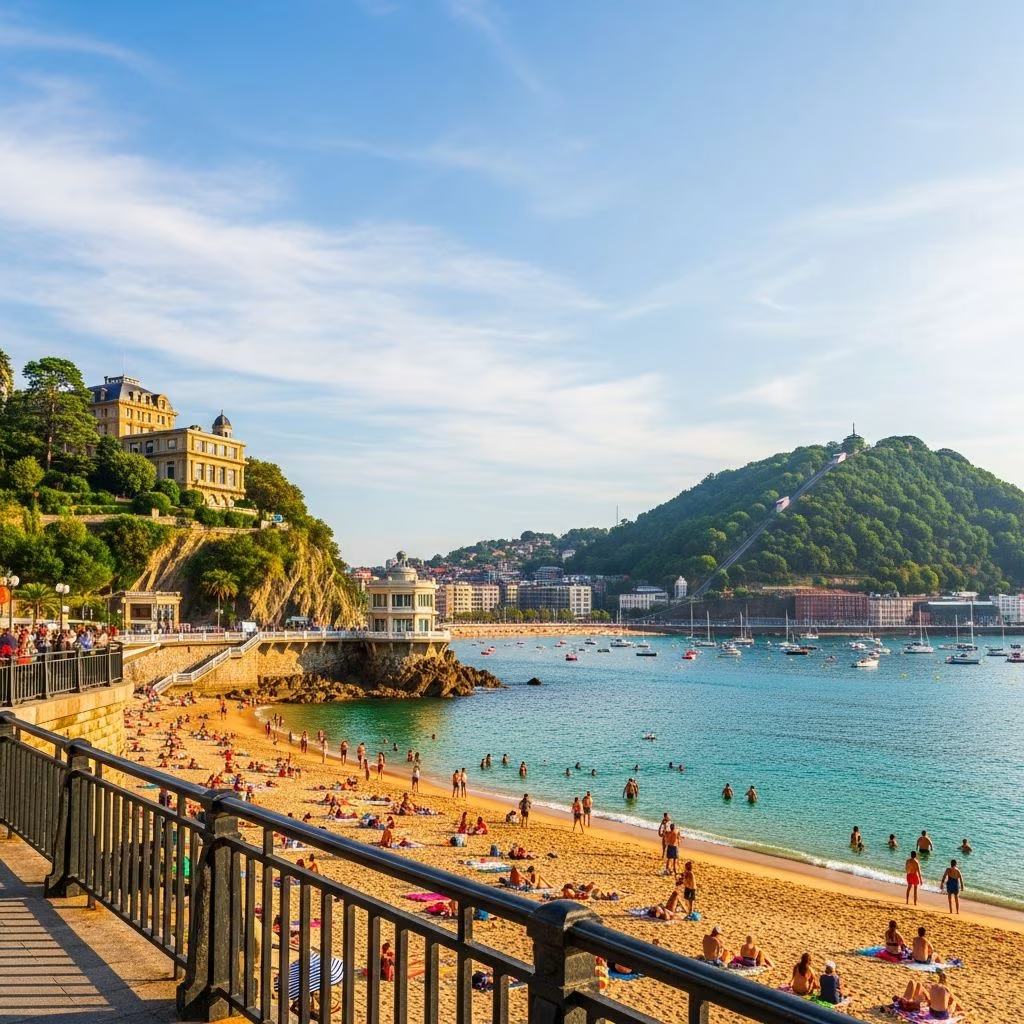
San Sebastián, known locally as Donostia, sits on Spain’s lush northern coast in the Basque Country, offering a unique blend of stunning beaches, world-class cuisine, and cultural vibrancy. Its **oceanic climate** brings mild temperatures year-round but frequent rain, making timing your visit key to maximizing enjoyment. The prime window spans late spring through early fall, when warm days invite beach lounging and outdoor adventures, though shoulder months provide value and fewer tourists.
This coastal city experiences a temperate maritime climate influenced by the Atlantic, characterized by moderate summers rarely exceeding 26°C (79°F) and winters hovering around 10-13°C (50-55°F). Rainfall is a constant companion, averaging over 150 rainy days annually, with no true dry season—yet summers from June to September deliver the sunniest stretches. Daytime highs in peak summer hit 22-26°C, perfect for swims in La Concha Bay where sea temperatures climb to 20-22°C by August.
Winters turn drearier with persistent drizzle and winds, dropping averages to 8-12°C, while springs and autumns offer transitional mildness (15-20°C) ideal for hiking Monte Urgull or Urgull. Pack layers and a waterproof jacket regardless of season, as forecasts can shift quickly.
| Month | Avg High (°C) | Avg Low (°C) | Rainy Days | Sea Temp (°C) | Best For |
|---|---|---|---|---|---|
| January | 12 | 6 | 15 | 13 | Festivals |
| April | 16 | 8 | 14 | 14 | Hikes |
| July | 24 | 17 | 10 | 20 | Beaches |
| October | 19 | 12 | 13 | 18 | Dining |
Data synthesized from regional climate records; expect variability.
Summer reigns as the **most popular period** for San Sebastián, drawing crowds to its iconic beaches like Playa de la Concha and Ondarreta. June ushers in reliable sunshine with highs around 22°C, low rain (about 10 days/month), and emerging warmth for water activities. July and August intensify the buzz: temperatures peak at 25°C+, sea swims become inviting, and the city pulses with open-air concerts, markets, and the Tamborrada drum festival on January 1 (though summer extends the festive vibe).
September shines as a standout, blending lingering heat (22-24°C), calmer seas, and dropping crowds post-European holidays. Hotels ease in price, restaurants fill less frantically, and golden light enhances hikes to Mount Igueldo. Drawbacks include higher costs (accommodations up 50-100%) and packed pintxo bars in the Old Town (Parte Vieja). Book ahead for beachfront stays and aim for weekdays to dodge peak weekends.
**April to June and September to October** define shoulder seasons, balancing pleasant weather (15-22°C) with thinner crowds and better deals. Spring awakens emerald parks and blooming azaleas in Alderdi Eder, with sea temps rising to 16°C by May—suitable for hardy swimmers or surf lessons at Zurriola Beach. Rainfall dips, days lengthen, and chefs prime Michelin spots like Arzak for easier reservations.
Autumn mirrors this appeal: September’s warmth fades into October’s crisp 18°C days, perfect for forest trails in nearby Jaizkibel or urban wanders. Fewer tourists mean shorter queues at pintxo crawls along 31 de Agosto Street, and hotel rates drop 20-40%. These months suit food lovers, with harvest-fresh ingredients elevating Basque menus.
November to March suits culture seekers undeterred by chillier 10-13°C days and frequent showers (15+ rainy days/month). The city quiets, offering introspective charm: cozy tamborradas echo through streets on San Sebastián Day (January 20), and Christmas markets light Parte Vieja. Surfing thrives at Playa de la Zurriola with consistent swells, while indoor pursuits like the Tabakalera arts center or San Telmo Museum provide shelter.
Pros include rock-bottom prices (hotels 50% off peak) and empty beaches for dramatic photos. Cons: Short days (8-9 hours light) and gusty winds. Locals embrace it for hearty stews and jazz clubs.
Chilly but electric with winter carnivals and drum parades. Ideal for authentic Basque immersion without summer hordes.
Cool nights warm to mild days; prime for hikes and dining deals as tourism ramps slowly.
Hot spot for sun, sea, and events—embrace the vibe but brace for crowds and costs.
Best overall: Warm, sunny, affordable. Film Festival (September) adds glamour.
Rainy but rewarding for holidays and surf; unbeatable value.
Family travelers favor July-August for kid-friendly beaches; couples prefer September romance.
Monitor AEMET forecasts for microclimates—bay areas sunnier than hills. Use Euskotren for day trips to Bilbao or French Basque towns. Sustainable choice: Opt for local buses over cars to cut emissions in this green region.
Budget: Peak €150+/night; shoulder €100; winter €70. Flights via BIO airport peak summer.
August, with averages of 24°C highs and minimal rain compared to wetter peers.
Yes, for festivals and low costs, though pack for rain and focus on indoor/covered activities.
July-August; opt for September mornings for solitude.
Spring or fall shoulders—easier bookings at 3-Michelin-star spots like Mugaritz.
Rarely; highs seldom top 30°C, thanks to breezes.
Whether chasing sun-soaked sands or rainy-day feasts, San Sebastián rewards thoughtful timing. September edges as the ultimate pick for most, fusing weather, value, and vibe—but every season unveils unique magic in this culinary coastal jewel.
