


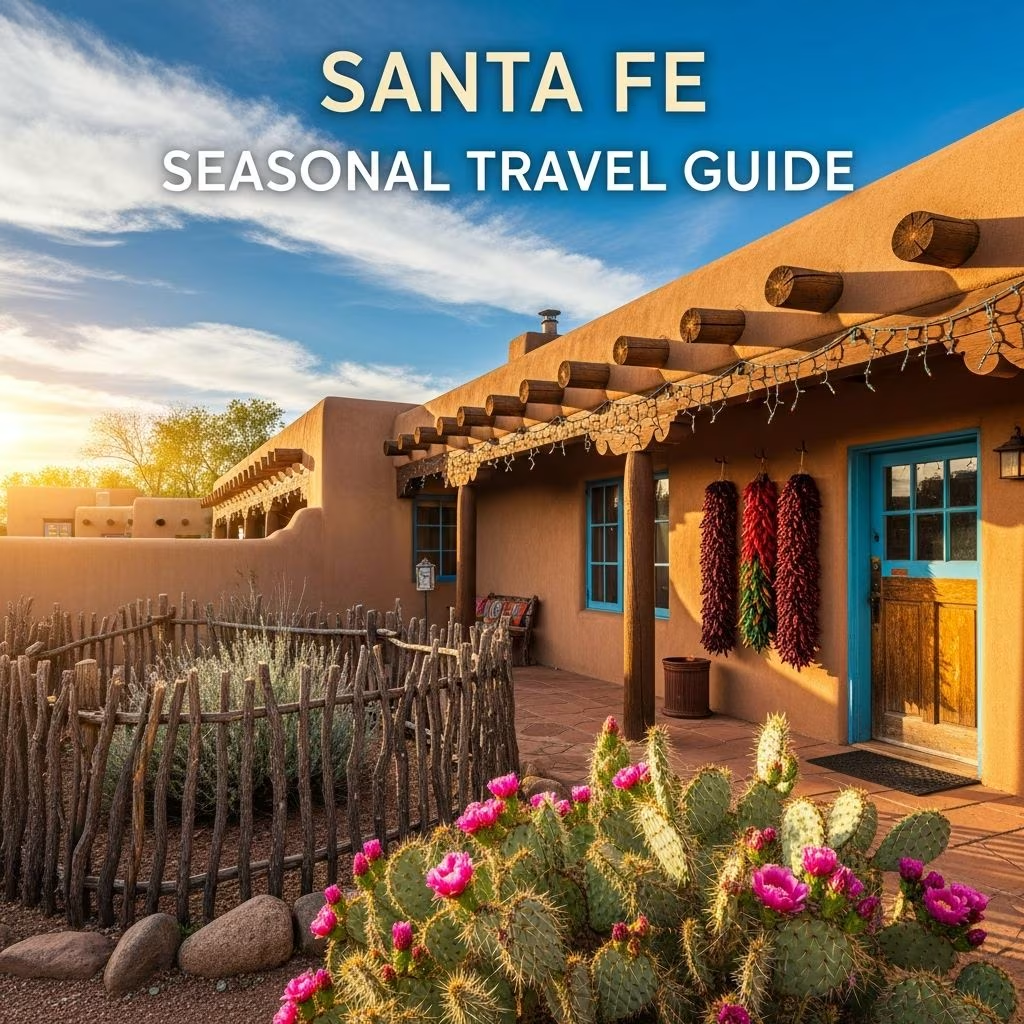
Santa Fe, New Mexico, presents a unique appeal that transcends traditional seasonal travel patterns. Unlike destinations where certain periods are clearly superior, this historic city offers distinctive experiences throughout the calendar year, each season painting the landscape and cultural landscape with its own distinctive character.
Positioned at an elevation of 7,000 feet, Santa Fe’s altitude creates a climate that defies typical summer heat while delivering genuine winter snow, resulting in a destination where outdoor activities remain viable across all twelve months.
Understanding Santa Fe’s Climate Patterns
The city’s high-altitude location fundamentally shapes visitor experiences. Temperature variations between seasons are significant enough to warrant distinct planning strategies, yet the overall climate remains relatively hospitable compared to lower-elevation regions.
- Winter temperatures typically range from freezing to the mid-40s Fahrenheit
- Spring weather transitions from cool to pleasantly warm
- Summer heat remains moderate due to elevation, with afternoon cooling
- Fall conditions mirror spring with crisp, clear days
Late Spring: The Emerging Traveler’s Sweet Spot
May and June represent a convergence point where multiple travel advantages align. The weather has warmed considerably from spring’s early unpredictability, yet temperatures remain moderate and comfortable for sustained outdoor exploration.
During this window, daytime temperatures typically reach the mid-80s Fahrenheit, while evening cooling ensures comfortable sleeping conditions without heavy blankets. The breeze that characterizes this season provides natural relief from direct sun exposure.
Why Late Spring Stands Out
- Garden areas along Canyon Road showcase peak flowering conditions
- Tourist infrastructure operates at manageable capacity levels
- Restaurant seating options remain readily available without excessive wait times
- Lodging establishments offer better rates compared to peak summer months
- The Rodeo de Santa Fe occurs during this timeframe, attracting cultural enthusiasts
Early June particularly captures a transitional moment. Before the July tourism surge, visitors enjoy authentic local experiences without encountering the congestion that defines later summer months.
Mid-Summer: Art and Festival Convergence
July and August represent Santa Fe’s cultural apex. This period coincides with multiple major art markets and festival celebrations, fundamentally transforming the city’s atmosphere.
Major Summer Events and Attractions
| Event | Timing | Visitor Draw |
|---|---|---|
| Santa Fe Indian Market | Mid-August | Approximately 150,000 visitors; world’s largest Indigenous art marketplace |
| Folk Art Market | July | Cultural enthusiasts seeking traditional and contemporary crafts |
| Santa Fe Opera | June through August | Classical music and theatrical performances in outdoor venue |
| Chamber Music Festival | Summer season | Intimate classical performances in historic venues |
| Burning of Zozobra | Early September | Unique cultural ceremony burning symbolic figure |
The afternoon monsoon season running through September creates an aesthetic phenomenon. Afternoon thunderstorms cool temperatures while generating dramatic cloud formations and intensified sunsets, offering spectacular photographic opportunities.
However, this season demands advance planning. Peak accommodation demand results in limited availability, particularly during major events. Reservations made six to twelve months in advance significantly improve lodging options and pricing.
Summer Weather Considerations
Despite the high elevation, daytime temperatures can reach the high 80s. However, the combination of lower humidity and afternoon precipitation makes the heat substantially more manageable than lower-elevation regions experience. Evening temperatures routinely drop into the 50s, requiring light layers for outdoor activities after sunset.
Early Fall: The Overlooked Optimal Season
September through early October presents a compelling alternative to summer’s intensity. The summer crowds have departed, yet cultural offerings remain robust.
The Santa Fe Fiesta celebrations occur during September, combining religious tradition with contemporary celebrations. The Wine and Chile Fiesta builds upon the region’s agricultural heritage and culinary traditions.
The changing aspen forest creates visual transformation across the surrounding Sangre de Cristo Mountains. This natural spectacle, combined with crisp daytime temperatures typically ranging from the low 60s to high 70s, creates ideal hiking conditions.
Why September to October Offers Distinct Advantages
- Lodging costs decline from summer peak levels
- Restaurant availability improves without extended waits
- Cultural events continue but with substantially smaller crowds
- Weather remains mild and relatively stable
- Hiking conditions are excellent with lower temperatures
- Art galleries and museums operate with shorter visitor queues
Late Fall Through Early Winter: The Romantic Season
October through December creates an entirely different aesthetic. The International Hot Air Balloon Fiesta in nearby Albuquerque generates a temporary tourism spike in mid-October, but afterward, the city enters a more contemplative phase.
December distinctly reimagines Santa Fe’s visual character. Adobe buildings dusted with snow create photographic opportunities that define the southwestern winter aesthetic. The famous Farolito Walk along Canyon Road transforms the neighborhood with traditional luminaria lighting.
Winter Attractions and Activities
- Skiing and snowboarding at nearby mountain resorts
- Traditional holiday celebrations including Pueblo dances
- Winter art markets featuring local artisans
- Intimate dining experiences with warming cuisine
- Photography opportunities with snow-covered architecture
- Cozy evenings around traditional piñon fires
Winter lodging rates represent the year’s lowest prices, offering substantial savings on accommodations. This season attracts budget-conscious travelers without sacrificing experience quality.
Winter Months: The Budget-Conscious Traveler’s Haven
January through early spring represents the most economical travel period. While temperatures drop to the teens and snow becomes more frequent, the high-altitude sun remains present, creating a crisp but rarely gloomy atmosphere.
This season suits travelers interested in skiing and snowboarding, as nearby slopes receive reliable snowfall. The city itself experiences fewer visitors, allowing deeper engagement with local culture and less crowded exploration.
The price advantage extends across all visitor services. Restaurants feature lower prices without sacrificing quality. Hotels and vacation rentals offer significantly reduced rates compared to peak seasons.
Matching Seasons to Travel Preferences
For Outdoor Adventure Enthusiasts
Spring through fall provides optimal hiking and outdoor exploration conditions. May through October delivers the most reliably pleasant weather for trail activities. The Sangre de Cristo Mountains and surrounding national parks remain accessible throughout these months with varying difficulty levels based on snow accumulation.
For Art and Culture Focused Travelers
July and August concentrate the most significant art events, though September continues this momentum at reduced crowds. The Santa Fe Indian Market alone justifies a summer visit for those passionate about Indigenous arts and crafts.
For Photographers
Winter’s snow-covered architecture and December luminarias create iconic imagery. Late spring’s wildflowers and summer’s dramatic storm clouds offer alternative photographic subjects.
For Budget-Conscious Visitors
January through March provides maximum savings on lodging and dining while still offering pleasant winter weather and full access to cultural attractions.
For Romance and Intimate Experiences
December and September offer smaller crowds and atmospheric conditions that encourage relaxation and personal connection.
Understanding Peak vs. Off-Season Dynamics
Santa Fe’s tourism patterns diverge from many southwestern destinations. Rather than focusing exclusively on summer, the city experiences multiple peak periods driven by cultural events rather than weather alone.
- Peak season: June through September with July-August being most intense
- Shoulder season: May and September-October with balanced crowds and good weather
- Winter peak: December with holiday celebrations and events
- Low season: January through March and November with lowest prices and crowds
Frequently Asked Questions
What is the absolute best time to visit Santa Fe?
This depends entirely on personal priorities. May through June offers ideal weather with manageable crowds. July-August concentrates major cultural events but increases costs and crowding. September provides similar events with fewer visitors. October-December suits those seeking romance and budget savings.
How does altitude affect the visitor experience?
The 7,000-foot elevation creates cooler summers than lower regions and reduces humidity. Some visitors experience mild altitude effects, though Santa Fe’s elevation is moderate compared to mountain destinations. Drinking water and moving slowly for the first day aids acclimatization.
Is winter visitable despite snow and cold temperatures?
Absolutely. Winter temperatures rarely drop below freezing at night, and the sun provides daytime warmth. Snow typically doesn’t accumulate heavily or persist long. Winter offers the lowest prices and smallest crowds while maintaining access to all attractions.
What events occur during each season?
Summer dominates with the Indian Market, Opera, and multiple festivals. Fall features wine celebrations and fiesta events. Winter highlights holiday traditions and art markets. Spring showcases the Rodeo de Santa Fe and canyon wildflower displays.
When should visitors avoid Santa Fe?
Few times require avoidance unless specific events cause crowding. Mid-August during the Indian Market or July Fourth weekend may disappoint those seeking tranquility. Otherwise, seasonal preferences primarily determine ideal visit timing.
Conclusion: Seasonal Selection Strategy
Santa Fe transcends typical seasonal tourism patterns by offering genuinely valuable experiences year-round. Rather than a single “best time”, the destination rewards visitors who align their travel timing with personal priorities and preferences.
The city’s high elevation and diverse event calendar create multiple optimal windows for different traveler types. Whether seeking budget advantages, cultural immersion, outdoor adventure, or romantic atmosphere, Santa Fe accommodates each preference across specific seasons within its annual cycle.
References
- Best Time of Year to Visit Santa Fe 2026 — Four Kachinas. 2026. https://fourkachinas.com/blog/best-time-of-the-year-to-visit-santa-fe/
- The Best Time to Visit Santa Fe — Lonely Planet. 2025. https://www.lonelyplanet.com/articles/best-time-to-visit-santa-fe
- 10 Reasons Why June is the Best Time to Visit Santa Fe — Turquoise Bear. 2025. https://www.turquoisebear.com/blog/10-reasons-why-june-is-the-best-time-to-visit-santa-fe.html
- A Seasonal Guide To Visit Santa Fe — Santa Fe Luxury Rental. 2025. https://www.santafeluxuryrental.com/seasonal-guide-visit-santa-fe

