

 Travel Essentials
 Travel Essentials

Comprehensive seasonal guide to visiting Scotland, covering weather patterns, wildlife, crowds, and activities throughout the year.
 Travel Essentials
Scotland’s rugged landscapes, historic castles, and vibrant culture attract visitors year-round, but the experience varies dramatically depending on when you travel. Understanding Scotland’s seasonal patterns helps you align your visit with personal preferences—whether you prioritize outdoor activities, wildlife observation, budget-friendly travel, or avoiding tourist crowds.
Scotland’s weather is famously unpredictable and changes rapidly across regions. The country experiences moderate temperatures year-round, with coastal areas remaining milder than inland highlands. Understanding these patterns allows travelers to pack appropriately and plan activities accordingly.
Temperature variations follow predictable seasonal trends. Winter months bring freezing conditions ideal for dramatic landscapes but challenging for outdoor exploration. Spring gradually warms the region as nature awakens. Summer provides the most comfortable conditions with extended daylight, while autumn delivers golden hues and crisp air. Each season presents distinct advantages and challenges for different types of travelers.
Spring in Scotland (April through May) marks a transformation as landscapes emerge from winter dormancy. Blossoms cover the countryside, wildlife becomes more active, and temperatures gradually rise from near-freezing to comfortable ranges. This season appeals particularly to nature photographers and those seeking outdoor adventures without peak-season crowds.
Temperature ranges during spring hover between 7 to 13 degrees Celsius, with unpredictable weather requiring flexible clothing options. However, the increasing daylight hours—reaching over 14 hours by May—provide extended time for exploration. Spring also coincides with the opening of many tourism businesses and attractions that remain closed during winter.
A significant advantage of spring travel involves reduced midge populations. These small insects, notorious for bothering visitors, don’t reach peak activity until June. Spring also offers accessibility to events like whisky festivals, with the Spirit of Speyside Whisky Festival occurring in late April and Highland Whisky Festival programs running during this period.
May specifically stands out as an optimal travel month. Highland games commence during May and continue through September, providing cultural experiences and local entertainment. Public holidays at May’s beginning and end create busy weekends, but midweek travel during this month avoids the overtourism issues of peak summer while still offering excellent weather probability.
Summer (June through August) represents peak tourism season in Scotland. Extended daylight hours prove remarkable, particularly in northern regions where daylight extends until 11 PM in the most northerly reaches. By late June, central Scotland experiences approximately 17.5 hours of daylight daily. This phenomenon creates an almost continuous twilight in the far north, enabling evening outdoor activities usually requiring daylight.
Temperature averages reach approximately 15 degrees Celsius during summer, making conditions pleasant if not exceptionally warm by international standards. However, this mild weather combined with extended daylight makes hiking, cycling, and water-based activities highly enjoyable. National parks including The Trossachs and Cairngorms experience significant visitor increases during these months as travelers flock to mountain trails and scenic routes.
Wildlife activity peaks during summer, particularly around the Hebridean islands where dolphins and whales become frequently visible both from land and organized cruises. This season represents the optimal window for marine wildlife observation for many species.
Despite attractions, summer travel involves notable drawbacks. June, July, and August bring massive crowds to Edinburgh, busy hiking trails, and numerous cruise ships around Hebridean islands. Tourism businesses operate at capacity, accommodation fills rapidly, and prices increase substantially. Additionally, midges—small biting insects—reach peak populations from June through September, particularly in rural areas and the north and west regions where they prove especially troublesome.
For travelers prioritizing outdoor adventures while minimizing crowds, June offers a middle ground. Early June occurs before major school holidays, when Scottish schools break before their English counterparts. This timing provides decent weather, good energy in attractions and communities, and fewer visitors than mid-summer, though midge preparation becomes necessary in rural areas.
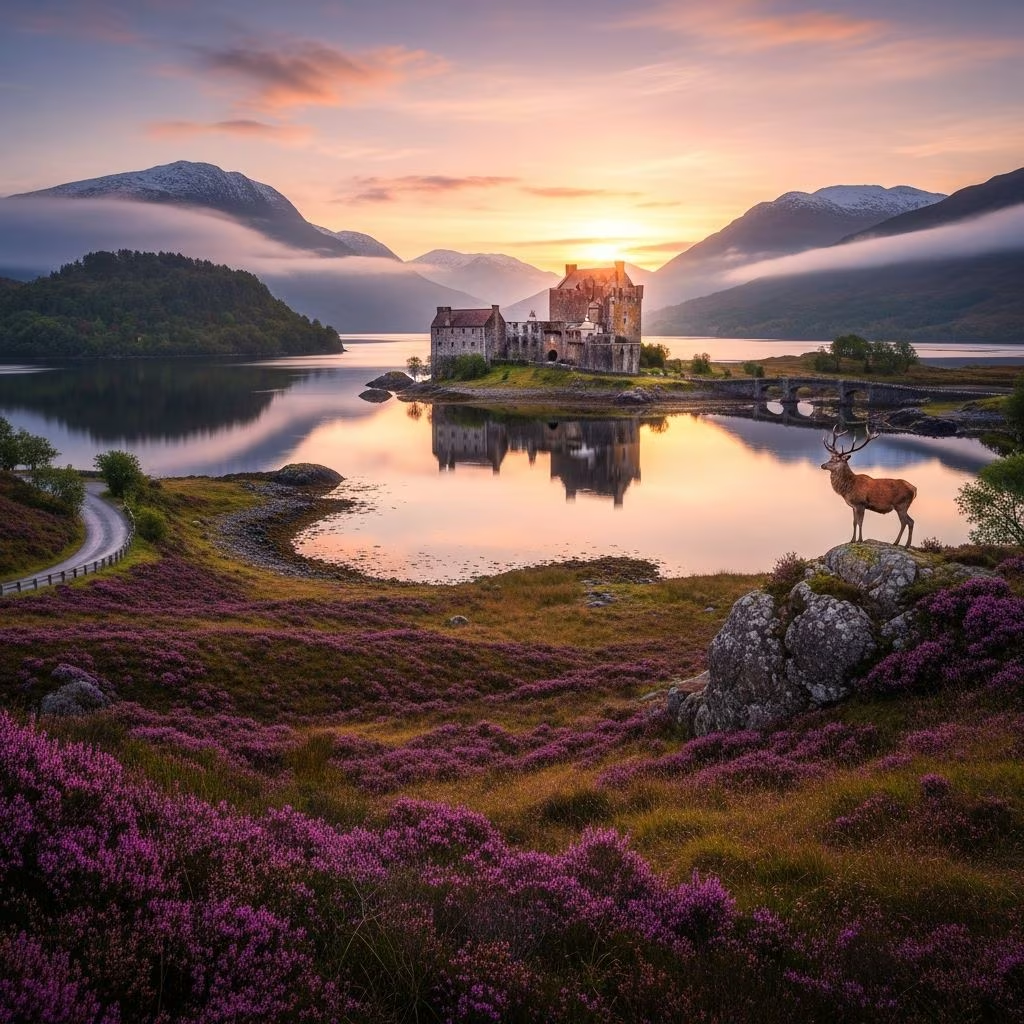
Autumn (September and October) delivers Scotland’s most visually striking landscapes as vegetation transforms through golden, purple, and crimson hues. Purple heather blankets hillsides, creating stunning photographic opportunities and natural beauty. These months represent ideal conditions for combining scenic beauty with manageable crowd levels.
September and October provide exceptional value for budget-conscious travelers seeking reduced prices compared to peak summer. Visitor numbers decline significantly, particularly in popular destinations like the Cairngorms and Trossachs, allowing genuine exploration without tourist masses. Weather remains mild enough for comfortable outdoor activities while midge populations diminish compared to summer months.
Daylight hours remain substantial—shorter than summer but longer than winter—enabling full days of outdoor exploration. Temperatures range comfortably from cool to mild, requiring moderate layering but not heavy winter gear. September specifically maintains some lingering summer warmth, while October brings crisper air and clearer visibility for landscape viewing.
Autumn represents an often-overlooked gem in Scotland’s tourism calendar. October, in particular, delivers remarkable natural light and color at times of day when photography typically challenges visitors in summer, with sunrises and sunsets occurring at more convenient hours. September and October combined offer perhaps the most balanced experience: solid weather, manageable crowds, reasonable prices, and stunning natural scenery.
Winter (December through February) transforms Scotland into a dramatic landscape of snow-covered peaks, frozen lochs, and pristine natural beauty. While challenging for some activities, this season attracts photographers, winter hiking enthusiasts, and travelers seeking solitude. Winter offers the cheapest travel prices and smallest crowds of any season.
Hiking across snowy Scottish landscapes appeals to experienced outdoor adventurers equipped for winter conditions. The dramatic interplay of light during winter months creates stunning photographic opportunities, particularly for sunrise and sunset photography when the sun remains relatively low on the horizon throughout the day.
Temperatures drop significantly, typically remaining near or below freezing in most regions. Daylight becomes limited, with only 6-7 hours of useful daylight in December. However, this compressed daylight creates opportunities for spectacular light and color displays during peak sun hours. Winter travel requires appropriate cold-weather gear and acceptance of more limited outdoor activity hours.
| Travel Priority | Recommended Months | Key Advantages |
|---|---|---|
| Outdoor Hiking & Walking | May-June, September-October | Long daylight, mild temps, fewer midges |
| Wildlife Watching | June-August | Peak animal activity, extended viewing hours |
| Photography (landscape) | October, December-February | Dramatic light, color, minimal crowds |
| Budget Travel | May, September-October, December-February | Lower prices, fewer tourists |
| Festivals & Cultural Events | April-May (Whisky), May-September (Games) | Highland games, distillery events |
| Warm Weather Activities | June-August | Highest temperatures, longest daylight |
Tourism concentration in Scotland peaks during June, July, and August when families with school holidays travel to iconic destinations. Visitors seeking authentic experiences and manageable crowd levels should consider alternative timing.
May, September, and early October emerge as crowd-avoidance periods offering excellent conditions. These shoulder-season months maintain good weather while avoiding peak tourist influxes. Midweek travel during any month reduces crowd encounters compared to weekends, particularly crucial during May’s public holidays and summer school breaks.
Traveling in shoulder seasons supports broader economic distribution for Scottish communities, spreading tourism income throughout the year rather than concentrating it in summer months. This approach benefits local businesses and maintains community character in popular destinations.
Travel costs vary significantly based on seasonal timing. Peak summer prices for accommodation and tours reach their highest levels, reflecting maximum demand. Spring and autumn offer mid-range pricing with better value than summer while maintaining good conditions.
Winter and very early spring (December-March) provide the most budget-friendly options, with accommodations offering substantial discounts and fewer tourists competing for services. These periods require flexibility regarding weather and limited daylight but reward budget-conscious travelers substantially.
Regardless of travel season, Scottish weather demands flexible packing strategies. A traditional Scottish saying captures the approach perfectly: “There’s no such thing as bad weather, only the wrong clothes.” The principle acknowledges Scotland’s changeable conditions requiring versatile layering.
Essential items include waterproof jackets, layered clothing allowing temperature adjustment, sturdy footwear suitable for wet conditions, and accessories like hats and gloves even during shoulder seasons. Scotland’s weather can shift dramatically within hours, necessitating preparation for multiple conditions simultaneously. This variability means travelers should pack for all seasons even during summer visits.
May, June, September, and October provide optimal balance between weather, daylight, crowds, and accessibility. These months offer long days, open businesses, manageable visitor numbers, and pleasant conditions.
Midges appear from June through September, reaching peak populations in July and August. Travel during April-May or October-November substantially reduces midge encounters.
June represents perhaps the optimal month for hikers and cyclists, offering excellent weather, extended daylight, reasonable crowds (better than July-August), and solid wildlife activity.
Winter months and early spring offer cheapest accommodation and tour prices, with May and autumn shoulder season providing mid-range pricing.
Absolutely. Winter attracts those seeking snowy landscapes, dramatic light for photography, and complete solitude. Prepare for cold temperatures, limited daylight, and challenging conditions for some activities.
Selecting Scotland’s optimal travel period depends on personal priorities. Nature lovers and photographers should consider spring’s blooming landscapes (April-May) or autumn’s golden hues (September-October). Outdoor enthusiasts prioritizing hiking and activities benefit from May-June or September-October windows. Those seeking budget options and minimal crowds should plan around May, autumn months, or winter. Visitors wanting peak wildlife activity and maximum daylight hours should commit to June-August despite crowds and higher costs.
Scotland reveals distinct character in each season, ensuring rewarding experiences regardless of timing. By understanding seasonal patterns, weather expectations, crowd dynamics, and activity availability, travelers can craft visits perfectly aligned with their expectations and preferences, creating memorable Scottish adventures throughout the calendar year.
