

 Travel Essentials
 Travel Essentials

Unlock the perfect window for your Scotland adventure with insights on weather patterns, peak seasons, wildlife viewing, and crowd avoidance strategies across all months.
 Travel Essentials
Scotland offers diverse experiences throughout the year, with each season bringing unique weather, landscapes, and activities. The prime periods for most travelers fall between late spring and early fall, particularly May, June, September, and October, when daylight hours are generous, temperatures are comfortable, and tourist sites remain fully operational without overwhelming crowds.
Scotland’s weather is famously unpredictable, influenced by its Atlantic position, leading to mild temperatures but frequent rain. Average highs range from 6°C (43°F) in winter to 19°C (66°F) in summer, with over 1,000 hours of sunshine annually in sunnier spots like the east coast. Shoulder seasons provide the sweet spot for balanced conditions.
Spring transforms Scotland into a vibrant canvas of blooming wildflowers, newborn wildlife, and awakening trails. March can be windy and wet, but by April, temperatures climb to 10-14°C (50-57°F), with bluebells carpeting woodlands and lambs dotting the hills.
May stands out as a top choice for island hopping and Highland hikes, boasting long days (up to 17 hours of light) and minimal midges. Beaches gleam under clearer skies, and locals embrace the milder vibe. This month avoids school holidays, keeping paths serene.
| Month | Avg High (°C) | Key Attractions | Crowd Level |
|---|---|---|---|
| March | 8 | Early lambing, castle gardens | Low |
| April | 11 | Wildflowers, bird migration | Low-Medium |
| May | 14 | Bluebells, island ferries open | Medium |
Summer is peak season, with June often cited as optimal before July and August swell with domestic and international visitors. Expect 18+ hours of daylight in the north, perfect for midnight sunrises over Loch Ness or cycling the Hebrides. Wildlife thrives—dolphins frolic offshore, and whales surface near Mull.
July and August bring festivals like the Edinburgh Fringe, but also rain showers and midge swarms in damp glens. Trails buzz with hikers, and cruise ships dot the coasts. For crowd-averse travelers, early June captures summer’s energy minus the peak rush.
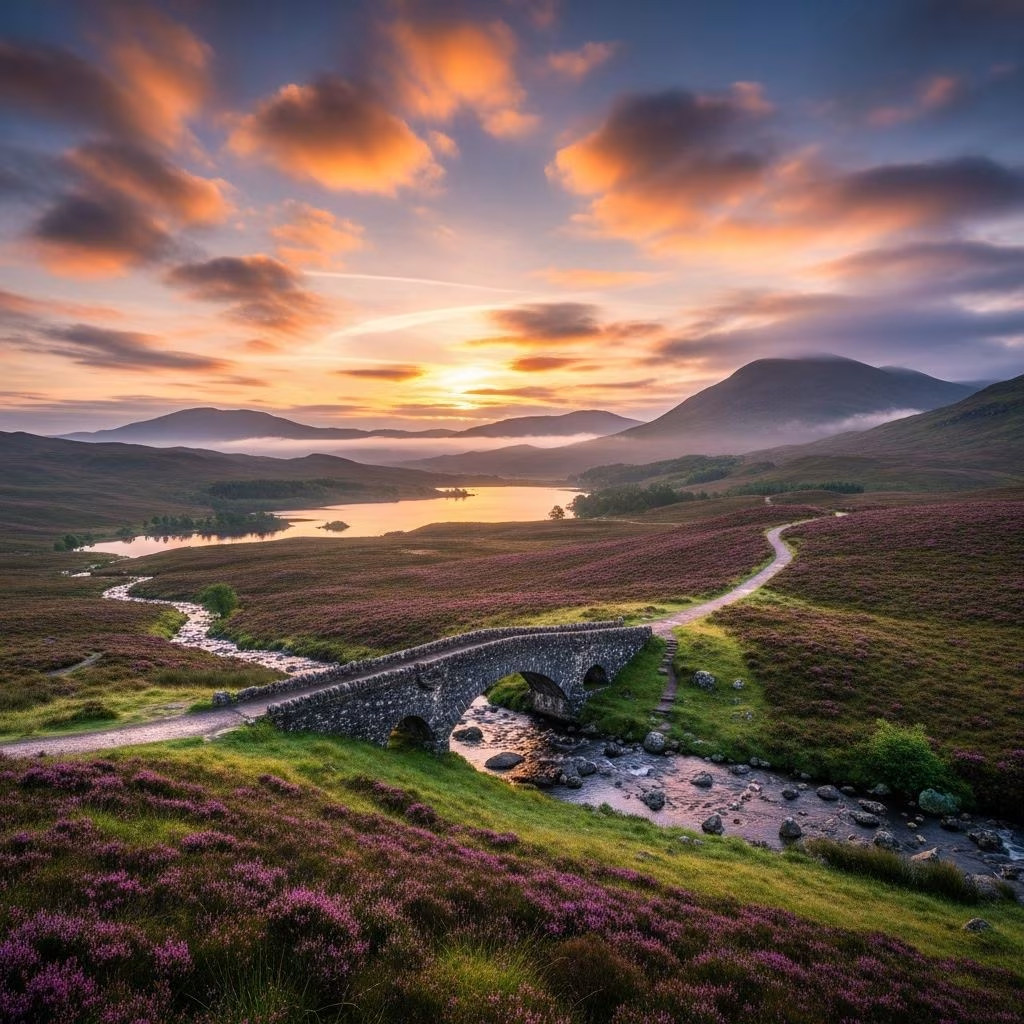
Autumn rivals spring for beauty, with golden leaves, purple heather, and russet bracken painting the Perthshire glens. September offers mild 13-15°C (55-59°F) days, ideal for uncrowded walks and final dolphin sightings. It’s the wettest month on average, yet trails empty out post-summer.
October’s crisp air enhances photography, with vibrant foliage and fewer tourists. Some seasonal sites close by late month, but core attractions persist. November ushers in stormy drama along coasts, appealing to surfers and aurora hunters.
| Month | Daylight Hours | Highlights | Weather Notes |
|---|---|---|---|
| September | 12-14 | Heather moors, Braemar Gathering | Mild, rainy |
| October | 10-12 | Fall colors, fewer queues | Cooler, windy |
| November | 7-9 | Storm watching, early Northern Lights | Cold, wet |
Winter paints Scotland in pristine whites, with snow blanketing the Cairngorms for skiing and pristine hikes. Days are short (6-8 hours light), but cozy pubs and Hogmanay (New Year’s) celebrations in Edinburgh warm spirits. Northern Lights dance overhead on clear nights.
Temperatures hover around 6-8°C (43-46°F) daytime, dipping lower at night. Rural roads may close, but cities thrive. It’s low season for savings on accommodations, though ferries to islands run reduced schedules.
Scotland’s cultural pulse beats through year-round events. Time visits around these for immersion:
Peak festival months amplify crowds in urban centers, so book ahead.
Nature enthusiasts should align trips with animal cycles. Summer peaks for marine life—minke whales (May-September), puffins (April-August) on Staffa. Red deer rut in autumn Highlands, while otters are year-round but easiest in winter calm waters. Spring sees seal pups and migratory birds.
Weather diverges by area:
East coast enjoys more sun; west faces Atlantic gales.
Avoid June-August peaks for 30-50% crowd reduction in May/September. Shoulder seasons slash hotel rates by 20-40% and ease trail congestion. Midweek travel further thins numbers. Monitor VisitScotland for real-time updates.
| Season | Crowds | Accommodation Savings | Business Openings |
|---|---|---|---|
| Peak Summer | High | Low | 100% |
| Shoulders (May, Sep-Oct) | Medium-Low | High | 95% |
| Winter | Low | Highest | 70% |
Layering is key. Spring/autumn: Waterproof jacket, fleece, sturdy boots. Summer: Insect repellent, sun hat, light rain gear. Winter: Thermal base layers, crampons for ice, headlamp for short days.
May or September: Optimal weather, long days, open attractions, and manageable crowds.
Peak July-August in wet west/north; minimal in shoulders. Use DEET sprays.
Yes, for holidays, skiing, and Lights, but prepare for cold and closures.
Peak prices; save by traveling off-peak.
Windier and wetter; best May-June or September.
Tailor trips by interest: Hikers pick shoulders for trails like West Highland Way. Festival-goers target summer. Photographers chase autumn colors or winter lights. Always check forecasts via Met Office and book ferries early for islands.
Scotland rewards flexible planners with magic in every season, from blooming springs to snowy peaks. Prioritize sustainability by visiting shoulders to support local economies year-round.
