

 Travel Essentials
 Travel Essentials

Learn when to visit Seattle based on weather, crowds, prices, and seasonal attractions. Find the ideal time for parks, festivals, museums, and outdoor activities.
 Travel Essentials
Seattle’s reputation as the Emerald City extends beyond its lush landscapes to encompass a diverse range of experiences throughout the year. Selecting the right time to visit depends on your priorities—whether you’re seeking outdoor adventures, cultural experiences, budget-friendly accommodations, or specific seasonal attractions. Understanding how Seattle’s weather patterns, tourist crowds, and event calendars align throughout the year will help you make an informed decision that aligns with your travel goals and preferences.
Spring represents a transitional period where Seattle shakes off winter’s dampness and welcomes warming temperatures. April and May are particularly compelling months for travelers seeking a balance between pleasant weather and manageable crowds. The city experiences a dramatic transformation as natural elements bloom and outdoor spaces reopen fully to the public.
The visual appeal of spring is undeniable. Cherry blossoms grace the University of Washington campus from late March through early April, creating picturesque settings for photography and leisurely walks. Beyond the university grounds, parks throughout the city showcase budding trees and colorful flower displays that justify Seattle’s nickname as a haven for nature enthusiasts.
From an economic standpoint, April emerges as the sweet spot where favorable weather coincides with reasonable hotel rates. Visitors traveling during this month often discover that the intersection of comfortable conditions and affordable lodging provides exceptional value. May maintains this advantage until Memorial Day, the last Monday of the month, when prices typically begin their upward trajectory as summer approaches.
Spring also marks the season when Seattle’s farmer’s markets return to full operation, offering visitors authentic local experiences and opportunities to sample regional produce and artisanal goods. Museums and indoor attractions draw steady but not overwhelming crowds, creating ideal conditions for exploration without extended wait times.
The months from June through August represent Seattle’s most popular tourist season, driven by reliable dry weather and abundant daylight. While Seattle rarely experiences scorching temperatures, the period between June and September typically provides the best conditions for clear skies and sun-filled days. The record for consecutive dry days stands at 55, achieved in 2017, illustrating the potential for extended periods of beautiful weather during these months.
Summer activities in Seattle revolve heavily around outdoor experiences and community events. Waterfront attractions experience peak business as visitors flock to beaches, parks, and water-based recreational areas. Festivals and cultural events proliferate throughout the season, drawing diverse crowds and creating vibrant street scenes.
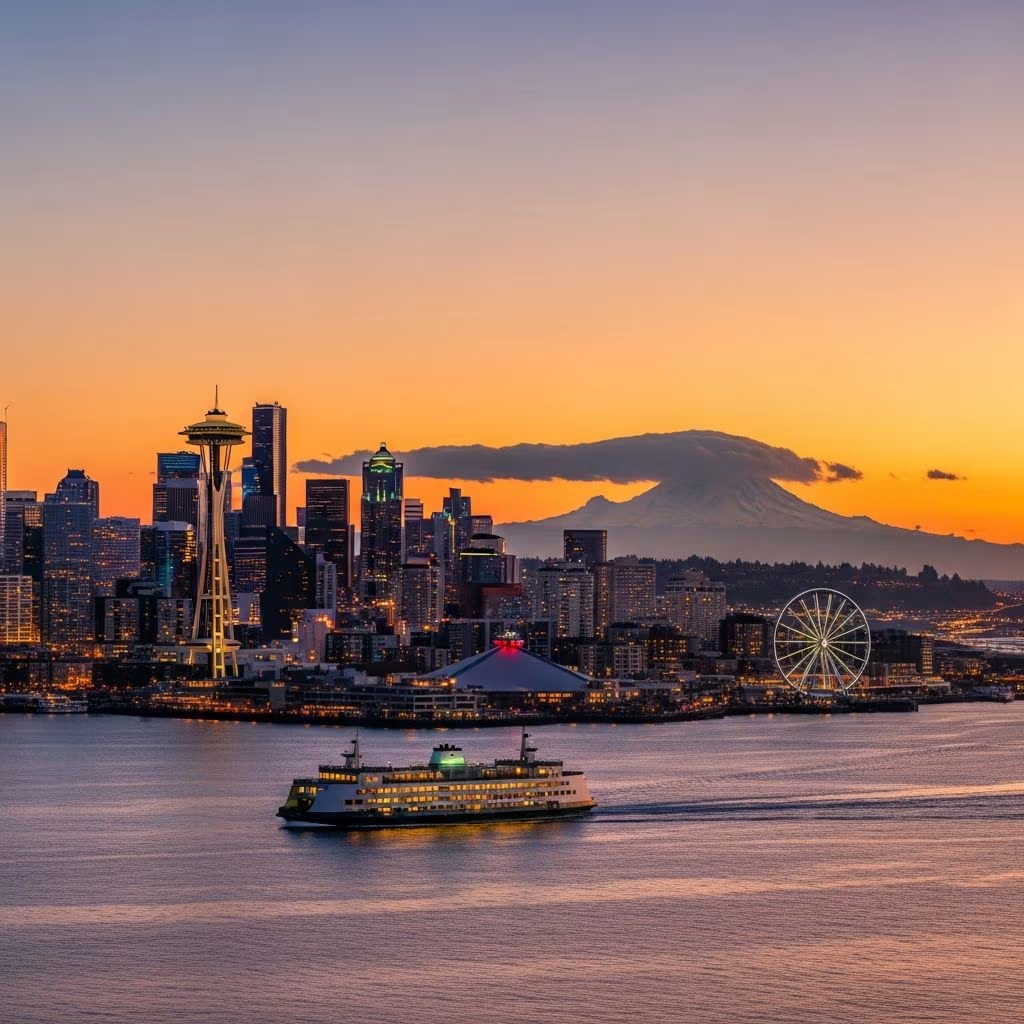
However, summer popularity comes with tradeoffs. Accommodation prices reach their annual peaks, and popular attractions require advance planning to avoid lengthy queues. The Space Needle and other observation points become crowded during daylight hours, though visiting during early morning hours or at sunset can provide less congested experiences with the added benefit of viewing both daytime and nighttime cityscape perspectives.
For outdoor enthusiasts, summer presents unmatched opportunities. The extended daylight hours—with sunset occurring well into the evening—allow visitors to maximize time spent exploring parks, hiking nearby trails, or enjoying waterfront activities. The combination of pleasant weather and extended operating hours for outdoor attractions makes summer ideal for those prioritizing nature-based experiences over budget considerations.
September and October represent a frequently overlooked period that combines many advantages of spring with unique autumn characteristics. As summer tourists depart, hotel prices decline toward more reasonable levels, and crowds thin considerably at major attractions.
The fall season transforms Seattle’s aesthetic qualities. Evergreen forests create a backdrop for deciduous trees displaying autumn foliage in reds, yellows, and oranges. The quality of light during this period—particularly during golden hour—creates distinctive photographic opportunities with enhanced vibrancy as sunlight reflects off the city’s skyline.
Weather during the fall shoulder season remains relatively stable through early October, with sunny days and mild temperatures persisting. This creates an ideal window for outdoor activities without the summer crowds. Fall represents an excellent time for specific wildlife experiences; whale watching becomes particularly rewarding as marine creatures migrate, and visitors can observe these experiences with substantially fewer fellow tourists competing for viewing positions.
Cultural life flourishes in autumn as Seattle’s music venues, theaters, and galleries establish packed schedules. The Bumbershoot music festival marks the unofficial end of summer tourism season, and once the event concludes, the deflation of hotel prices becomes particularly noticeable. The city’s creative and artistic communities activate during these months, making fall an ideal period for those interested in cultural immersion rather than outdoor recreation.
Winter months—November through March—represent the low season for Seattle tourism, characterized by cooler temperatures and increased precipitation. However, dismissing this period entirely overlooks significant advantages for particular travelers.
November can present grey, damp weather conditions that don’t appeal to all visitors. Yet this same weather has fundamentally shaped Seattle’s cultural identity. The rainy climate contributes directly to the development of the city’s renowned coffee shop culture and thriving music scene. Indoor attractions—theaters, music venues, galleries, and museums—come into their own during these months, offering rich cultural experiences without competing with outdoor activity seekers.
Hotel prices during winter often reach 50 percent of summer rates, making accommodations exceptionally affordable. This pricing advantage appeals to budget-conscious travelers willing to embrace the season rather than resist it. December brings the added advantage of holiday festivities, festive decorations, and seasonal programming throughout the city. Additionally, Seattle’s nearby ski resorts open during December, positioning the city as a convenient urban base for visitors interested in combining urban cultural exploration with mountain recreational activities.
January and February typically feature the coldest temperatures, though Seattle winters remain relatively mild compared to many American cities. The precipitation that characterizes these months is often light to moderate, and visitors prepared with appropriate clothing can still explore the city’s outdoor attractions during dry intervals.
| Season | Temperature Range | Rainfall Pattern | Crowd Levels | Price Range | Primary Attractions |
|---|---|---|---|---|---|
| Spring (Apr-May) | 50-60°F | Moderate | Moderate | Budget-Friendly | Cherry blossoms, farmer’s markets, museums |
| Summer (Jun-Aug) | 70-80°F | Minimal | High | Peak Pricing | Festivals, parks, waterfront activities |
| Fall (Sep-Oct) | 55-65°F | Low-Moderate | Low-Moderate | Moderate | Whale watching, cultural events, foliage |
| Winter (Nov-Mar) | 40-50°F | High | Low | Discounted | Music venues, galleries, coffee shops, skiing |
Budget-Conscious Visitors: Prioritize April, late September through October, or November through March for optimal accommodation pricing. Spring offers the best combination of reasonable weather and low prices, while winter months provide dramatic savings with the tradeoff of increased rainfall.
Outdoor Recreation Enthusiasts: Summer months provide the most reliable weather for parks, hiking, and waterfront activities. However, late spring and early fall offer excellent conditions with significantly fewer crowds, making these periods appealing for those prioritizing experiences over perfect weather.
Cultural and Artistic Visitors: Winter and fall represent peak seasons for Seattle’s creative communities. Concert schedules, gallery exhibitions, and theatrical productions proliferate during these periods, offering rich opportunities for cultural immersion.
Wildlife Observers: September and October present optimal conditions for whale watching, combining favorable weather with peak migration periods. This timing avoids summer crowds while maintaining pleasant conditions.
Regardless of your chosen season, preparing appropriately enhances the experience. Pack layers and include a rain shell in your luggage for any season, as Seattle’s weather can shift unexpectedly. Summer doesn’t guarantee perpetual sunshine, and winter doesn’t preclude dry days suitable for outdoor exploration.
Utilize Seattle’s public transportation system, particularly the Link light rail connecting Seattle-Tacoma International Airport with downtown. This transportation option proves convenient across all seasons and reduces the challenges of seasonal weather variations on driving conditions.
Book popular attractions and restaurants in advance during peak seasons, but exercise flexibility during shoulder seasons and winter months when walk-up availability typically increases. This approach allows spontaneous exploration while ensuring access to particularly popular venues.
Seattle experiences the heaviest precipitation from November through March, with rain typically falling more frequently than heavily. Winter months characterize the wettest period, though the city receives less annual rainfall than many American cities due to geographic rain shadow effects.
April offers the optimal combination of emerging sunny weather, affordable hotel rates, and manageable crowds. Alternatively, September and October provide similar advantages with the added benefit of confirmed stable weather patterns and vibrant cultural calendars.
Yes, winter remains a viable visiting period for those embracing the season’s cultural offerings. Pack appropriate rain gear and dress in layers, and focus your activities on indoor attractions like museums, theaters, and coffee shops. You’ll experience authentic Seattle culture with substantially fewer tourists.
Book summer accommodations several months in advance, as popular hotels fill quickly and prices increase significantly during peak season. Reserving by March or April for June through August travel ensures better availability and pricing options.
Spring offers blooming natural scenery and emerging activity calendars at moderate prices. Fall provides reliable weather, established cultural programming, confirmed dry conditions, and lower prices than spring. Choose spring for floral displays and emerging energy; choose fall for cultural richness and whale watching.
Seattle’s diverse seasonal character ensures that virtually every traveling style and budget level can find an appropriate time to visit. Rather than viewing certain seasons as universally superior, consider how your specific interests align with seasonal characteristics. Those seeking budget-friendly travel combined with pleasant weather should prioritize April or late September through early October. Cultural enthusiasts should embrace winter and fall months when creative communities thrive. Families with children often find summer most convenient despite higher costs and crowds. Visitors flexible on dates and interested in experiencing authentic Seattle culture, complete with rainy weather and vibrant coffee shops, should consider the often-overlooked winter months.
Planning your Seattle visit based on seasonal alignment with personal preferences and travel priorities ensures that your experience reflects your unique travel style and values. Whether you’re drawn to blooming spring gardens, bustling summer festivals, colorful autumn landscapes, or cozy winter cultural venues, Seattle offers compelling reasons to visit throughout the calendar year.
