

 Travel Essentials
 Travel Essentials

Learn when to visit Sedona for the best weather, fewest crowds, and optimal outdoor experiences across all four seasons.
 Travel Essentials
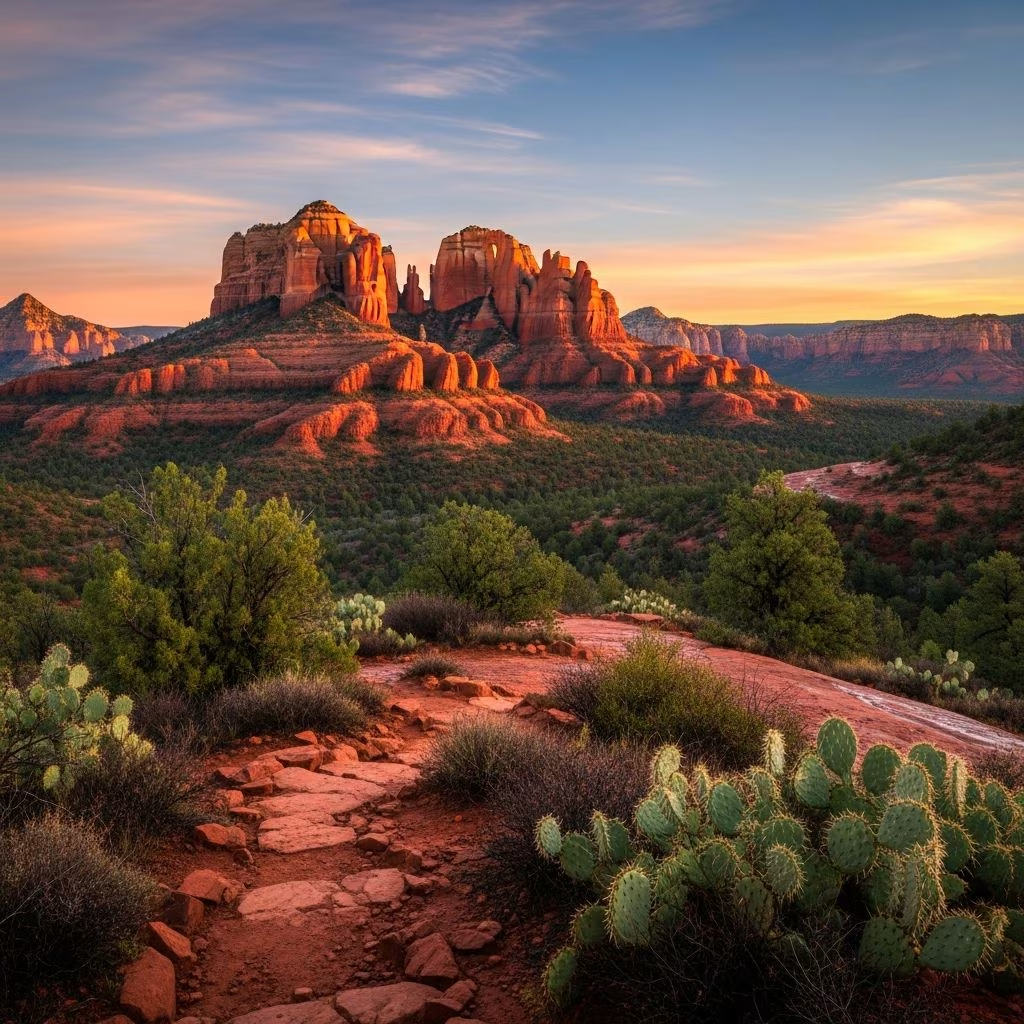
Sedona, Arizona, welcomes visitors throughout the year, each season offering distinct advantages and challenges. Understanding what each period brings helps travelers align their visit with personal preferences, whether seeking solitude, outdoor adventure, or comfortable exploration of the iconic red rock landscape. The choice of when to travel significantly shapes the overall experience, from trail conditions to accommodation availability and pricing.
The Arizona destination maintains its draw across all twelve months. However, visitor patterns, weather conditions, and tourism infrastructure vary considerably. Spring and fall traditionally attract the highest volume of travelers, while summer and winter represent shoulder seasons with their own distinct characteristics. The decision about timing depends on multiple factors: preferred activities, tolerance for crowds, budget constraints, and desired weather conditions.
The period from March through May marks Sedona’s most active tourism window. During these months, daytime temperatures typically range from the mid-60s to low 80s Fahrenheit, creating ideal conditions for extended outdoor pursuits. The landscape undergoes dramatic transformation as desert vegetation awakens, with wildflowers blooming across canyon floors and hillsides.
Spring provides consistent sunny skies with minimal precipitation. Morning temperatures remain cool and refreshing, while afternoons warm pleasantly without excessive heat. This temperature range allows hikers to remain comfortable throughout the day, accommodating both early morning summit attempts and leisurely afternoon exploration. The clarity of spring air enhances long-distance views of surrounding formations.
The mild weather and blooming landscapes make spring particularly suitable for photography and hiking. Popular trails like Cathedral Rock, Devil’s Bridge, and Bell Rock Pathway experience peak visitation during daylight hours. Wildflower displays create natural focal points for photographers, while the comfortable conditions enable both casual day-trippers and serious hikers to pursue their goals. Uptown Sedona’s galleries, restaurants, and shops also benefit from pleasant weather, drawing visitors to cultural and commercial attractions.
Spring represents peak season, resulting in higher accommodation rates and crowded trailheads, particularly on weekends. Parking at popular destinations like Cathedral Rock often fills before mid-morning. Restaurants operate at capacity during evening hours. For visitors seeking spring experiences while minimizing crowds, visiting on weekdays rather than weekends provides relief. Advance hotel bookings become essential for securing preferred accommodations.
June through August transforms Sedona into a different destination, with daytime temperatures frequently exceeding 85 degrees Fahrenheit and often reaching the upper 90s. Despite the intensity of midday heat, early mornings and evenings remain pleasant, and afternoon monsoon storms bring dramatic atmospheric effects and temporary cooling.
The summer heat deters many traditional tourists, particularly those from cooler climates. However, visitors from hotter regions like Phoenix often visit Sedona specifically to escape more oppressive temperatures. The reduced tourist volume creates advantages: shorter wait times at popular venues, availability of otherwise-booked accommodations, and notably lower lodging rates compared to peak seasons.
Early morning hiking becomes the strategy for outdoor enthusiasts during summer months. Sunrise excursions to elevated viewpoints like Bell Rock offer cooler conditions and impressive photography opportunities. Afternoon thunderstorms, characteristic of the monsoon season, create theatrical sky displays and temporary relief from intense heat. Evening outdoor dining and stargazing benefit from summer’s clear atmospheres—Sedona holds official Dark Sky Community status, making nighttime observations particularly rewarding.
Summer offers the second-most affordable accommodation pricing of any season, with only mid-winter providing better rates. Visitors flexible about heat tolerance can significantly reduce travel expenses during these months. Summer also provides fewer reservations at popular restaurants, potentially allowing walk-in dining rather than requiring advance booking.
The period from September through November represents another premium visiting window, with many travelers considering fall equally appealing to spring. Temperatures gradually decline from the upper 70s in early September to the 50s and 60s by late November. This gradual cooling creates consistently comfortable conditions across the entire season.
Oak Creek Canyon undergoes spectacular color transformation during fall months, with cottonwoods and maples displaying golden and crimson foliage. The West Fork Trail, winding through the canyon, peaks in color during mid-October through early November. This natural color display combines with the red rock formations, creating photography opportunities rivaling spring conditions.
Fall weather provides the ideal balance of warm days and cool mornings for extended hiking pursuits. Trails remain comfortable throughout daylight hours, and the crisp air reduces dehydration concerns compared to summer. Long-distance hikes become more feasible, and the combination of clear skies and warm late-day light enhances photography at signature locations like Cathedral Rock and Red Rock Crossing.
Fall’s popularity rivals spring, attracting both leaf-peeping photographers and serious hikers. While crowds exceed summer levels, they remain slightly less intense than spring weekends. Accommodation rates rise accordingly, though strategic timing—visiting on late October weekdays—can balance favorable weather with lower prices and reduced congestion.
December through February represents Sedona’s quiet season, with daytime highs typically ranging between 50 and 60 degrees Fahrenheit and nighttime temperatures dropping considerably. Snow occasionally dusts the red rocks, creating distinctive contrast against the crimson cliffs, though sustained accumulation remains rare.
Winter visitors experience serene trail conditions with minimal congestion. Popular destinations that require early morning arrivals to secure parking during other seasons accommodate casual afternoon visits. Restaurants and attractions operate with shorter wait times. Most significantly, accommodation rates reach their lowest points of the year, offering exceptional value. Visitors prioritizing solitude and budget considerations find winter particularly appealing.
Comfortable daytime temperatures support full-day exploration for visitors accustomed to cooler climates. Trail conditions remain excellent, with lower temperatures reducing heat-related fatigue. However, chilly evenings and limited daylight hours require planning. Early morning starts lead to cold conditions, while late afternoon visits mean hiking in diminishing light. Despite these considerations, winter provides exceptional conditions for intimate exploration and photography without seasonal crowds.
| Season | Temperature Range | Crowd Level | Accommodation Cost | Best For |
|---|---|---|---|---|
| Spring (Mar–May) | 60–80°F | Peak | High | Wildflowers, hiking, photography |
| Summer (Jun–Aug) | 85–95°F | Low | Moderate | Budget travel, stargazing, early hiking |
| Fall (Sep–Nov) | 50–85°F | High | High | Foliage, comfortable hiking, photography |
| Winter (Dec–Feb) | 50–60°F | Low | Low | Solitude, value, peaceful exploration |
Travelers prioritizing comfortable temperatures should consider March through May or September through October. These windows offer blue skies, ideal daylight conditions, and temperatures conducive to outdoor activities without extreme heat or cold.
December through February and mid-June through August provide the most solitude. Winter months offer serenity for contemplative travel, while summer’s heat naturally limits tourism despite lower prices and available accommodations.
Hiking enthusiasts should prioritize March through May and September through October. Photographers seeking optimal light and scenery benefit from October through November and March through April. Cultural event attendees should research scheduled festivals—Sedona hosts yoga festivals, arts festivals, and film events throughout the year, with concentrations in spring, fall, and winter months.
Beyond selecting a season, strategic week and day selection enhances experiences. Spring and fall weekdays offer better conditions than weekends, with lower crowds and more parking availability. Late October often provides an optimal balance—color remains vibrant, crowds have moderated from peak September and early October levels, and weather remains comfortable. Similarly, early January through mid-February represents the best winter window, offering pleasant conditions before late winter chill intensifies.
Spring and fall require advance bookings, sometimes months ahead for preferred properties. Summer and winter offer flexibility, with last-minute reservations often available at reduced rates.
Jeep tours and guided experiences fill quickly during peak seasons. Summer and winter accommodate more spontaneous bookings. Popular trailhead parking demands early arrival during spring and fall mornings.
Peak season restaurants benefit from reservations, while summer and winter accommodate walk-in dining. Cultural attractions maintain consistent hours year-round but experience varying attendance.
Yes, summer visits are entirely viable. Early morning hiking, evening activities, and stargazing accommodate the heat. Budget-conscious travelers appreciate the affordability and reduced crowds.
Snow occasionally dusts Sedona during winter months, creating scenic contrast against red rocks. However, sustained accumulation remains rare, and snow typically melts within hours.
Spring and fall offer comparable conditions, with March through May and September through October providing optimal temperatures and clear skies. Personal preference between spring wildflowers and fall foliage determines individual choices.
Winter daytime temperatures around 50-60°F remain comfortable for active exploration. Layered clothing accommodates temperature variations between sunny afternoons and cool mornings and evenings.
Early January through mid-February offers the most budget-friendly accommodation rates. Summer provides secondary affordability with decent lodging discounts.
Sedona welcomes visitors across all seasons, each presenting distinct advantages. The “best” time ultimately depends on individual priorities—whether seeking peak wildflower displays and comfortable hiking, budget values with solitude, or a balanced approach combining favorable weather with moderate crowds. Spring and fall offer traditional advantages for most travelers, while summer and winter reward those willing to embrace seasonal characteristics. Regardless of chosen timing, Sedona’s red rock landscape, hiking opportunities, and cultural attractions ensure memorable experiences throughout the year.
