

 Travel Essentials
 Travel Essentials

Sedona welcomes visitors year-round, but spring and fall offer the best mild weather for hiking amid stunning landscapes, while winter provides budget deals and fewer crowds.
 Travel Essentials
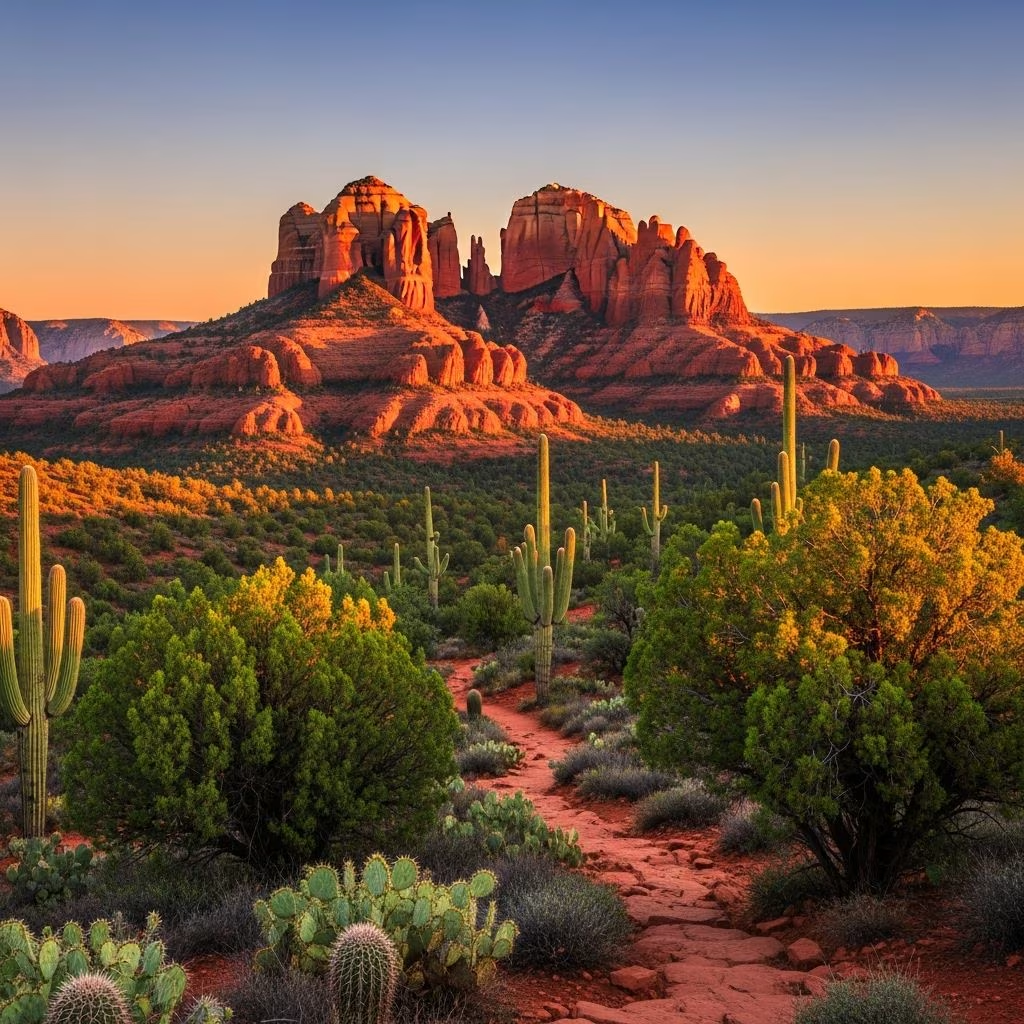
Sedona, Arizona, captivates with its towering red rock formations, spiritual vortexes, and endless outdoor pursuits. Nestled at 4,350 feet elevation, this desert oasis enjoys a climate that supports year-round exploration, though certain periods shine brighter depending on your priorities like weather comfort, crowd levels, or affordability. Spring from March to May and fall from September to November stand out as premier windows, delivering highs in the mid-60s to low 80s°F, clear skies, and vibrant scenery perfect for hikes and scenic drives. These shoulder seasons balance natural beauty with manageable visitor numbers, unlike the scorching summers or chilly winters.
As winter fades, Sedona bursts into life with wildflowers carpeting the trails and fresh greenery framing the iconic buttes. Daytime temperatures climb comfortably from the mid-60s°F in March to the low 80s°F by May, inviting long days of adventure under mostly sunny skies. This season ranks as the most sought-after for good reason: the mild conditions suit everything from casual strolls to strenuous treks up formations like Bell Rock or Cathedral Rock.
Hikers revel in the low humidity and minimal rainfall, which keep paths dry and dust-free. Photographers capture the golden light illuminating crimson cliffs, while mountain bikers tackle singletrack trails without extreme heat sapping their energy. Outdoor enthusiasts also flock for Jeep tours navigating rugged canyons, horseback rides through oak-lined washes, and hot air balloon ascents offering panoramic vistas at dawn. However, popularity means busier trails and premium lodging rates—book accommodations and guided experiences weeks ahead to secure spots.
Post-summer, Sedona cools into another golden era with highs starting in the upper 70s°F in September and dipping to the 50s-60s°F by late November. Crisp air sharpens the senses, and fall foliage paints cottonwoods yellow along Oak Creek, contrasting vividly with rust-hued monoliths. This period mirrors spring’s appeal but often feels more relaxed as families return to school routines.
Ideal for sightseeing, fall delivers excellent visibility for long-range views from Airport Mesa or Schnebly Hill. Hikers enjoy cooler mornings that warm progressively, perfect for all-day outings without midday fatigue. Cultural seekers time visits for October festivals blending art, music, and local cuisine amid the autumn palette. Like spring, expect elevated prices and reservations filling fast, especially around holidays like Thanksgiving.
| Month | Avg High (°F) | Key Attractions | Crowd Level |
|---|---|---|---|
| September | 78 | Foliage onset, biking | Moderate-High |
| October | 72 | Festivals, photography | High |
| November | 62 | Quiet hikes, early sunsets | Moderate |
Sedona’s summer brings intense heat with highs routinely hitting the upper 80s to 90s°F, deterring many but rewarding the bold. At elevation, it’s milder than Phoenix’s furnace, yet afternoons demand caution—hydrate relentlessly and schedule exertions for dawn or dusk. Monsoon season from mid-July spices things up with sudden thunderstorms, creating rainbow-arched skies and fleeting waterfalls in slot canyons.
Fewer crowds translate to solitude on popular paths like Devil’s Bridge, and lodging dips 20-30% below peak rates, appealing to budget travelers. Families or heat-tolerant adventurers thrive with poolside relaxation, evening stargazing (Sedona’s dark skies are world-class), or water-based fun tubing Oak Creek. Midweek visits amplify the peace, as locals note summer’s role as a recharge for trails.
The off-season transforms Sedona into a tranquil haven with daytime highs in the 50s°F and crisp nights dipping near freezing. Snow graces the rocks infrequently, dusting formations like a winter postcard and muting trails for peaceful solitude. This quietude suits introspective souls seeking uncrowded vortex sites or meditative walks.
Lowest rates—often 40% off peak—make it a steal for extended stays, with easy bookings at resorts, cabins, or B&Bs. Layer up for morning hikes that warm by noon, or opt for indoor pursuits like gallery hopping in Uptown Sedona or spa treatments harnessing local energies. February occasionally hosts cultural events, blending chill vibes with community spirit.
Drawbacks include shorter days and potential wind chill, but bluebird skies prevail, and northern escapees appreciate the sunshine.
Tailor your trip by goals:
Sedona’s 3-4 night stays suffice to sample highlights without saturation. Monitor forecasts via official channels, as elevation variations affect microclimates—higher spots like Humphreys Peak chill faster.
Versatile layers define Sedona readiness: breathable sun shirts, wide-brim hats, sturdy boots for rocky terrain, and a refillable hydration pack. Sunscreen and lip balm combat high UV at altitude. For summer, add electrolyte tabs; winter demands gloves and beanies. Rent Jeeps or e-bikes for accessibility, and secure Red Rock Passes ($5/day) for trailhead parking.
Advance planning curbs stress: popular tours like Pink Jeep Adventures book out in peaks. Download offline maps (Gaia GPS excels) given spotty cell service in backcountry.
April or October: Mild temps, vivid scenery, moderate crowds.
Yes, with precautions—water in summer, layers in winter. Trails rarely close.
Significantly: Winter offers rock-bottom rates, summer follows.
Minimal annually (20 inches); monsoons are brief summer highlights.
Spring/fall for activities; summer for pools, winter for calm.
Tread lightly: Stick to trails to prevent erosion, pack out trash, and support local eateries using native ingredients. Choose eco-lodges certified by Arizona’s green programs. Vortex visits emphasize ‘leave no trace’ to preserve spiritual sanctity.
