

 Travel Essentials
 Travel Essentials

Plan your Seville trip with insights into seasonal weather patterns, visitor crowds, accommodation costs, and unique attractions across all months.
 Travel Essentials
Seville, the vibrant capital of Andalusia, captivates visitors with its historic architecture, passionate culture, and lively atmosphere. However, choosing the right time to visit can significantly enhance your experience. Understanding seasonal variations in weather, tourist volumes, accommodation prices, and local events allows you to tailor your trip to your preferences and travel style.
The city experiences four distinct seasons, each offering unique advantages and challenges. From scorching summers to mild winters, Seville’s climate ranges from extreme heat to comfortable temperatures suitable for outdoor exploration. Tourist volumes fluctuate dramatically throughout the year, affecting everything from restaurant availability to accommodation rates and the overall ambiance of popular attractions.
Early spring marks a transition period when winter’s chill gradually recedes. Temperatures range from lows around 9°C (47°F) to highs near 20°C (68°F), providing comfortable conditions for extended walking tours. While some rainfall occurs, particularly in March, the precipitation remains manageable. This period offers an exceptional opportunity to experience Seville’s authentic character, as fewer international tourists have arrived, yet locals remain active throughout the city.
The mild weather enables pleasant outdoor dining experiences, a cornerstone of Seville’s social culture. Restaurant terraces, which define the city’s street-level atmosphere, become increasingly lively without overwhelming crowds. For travelers seeking to avoid peak season while maintaining comfortable exploration conditions, early spring represents an underrated choice.
Late spring delivers optimal conditions for most visitors. April showcases temperatures between the mid-50s and mid-70s Fahrenheit, with minimal rainfall averaging around seven rainy days. By May, warmth intensifies, with temperatures climbing to the mid-50s to mid-80s, though the intense southern Spanish sun makes conditions feel warmer than actual measurements suggest.
This window presents a crucial advantage: pleasant weather arrives before the extreme summer heat becomes unbearable. The city has not yet reached its peak tourist season, making accommodation more reasonably priced than June through August. Local residents remain in the city during April and early May, preserving Seville’s authentic vibrancy rather than the hollow summer atmosphere created by mass tourism.
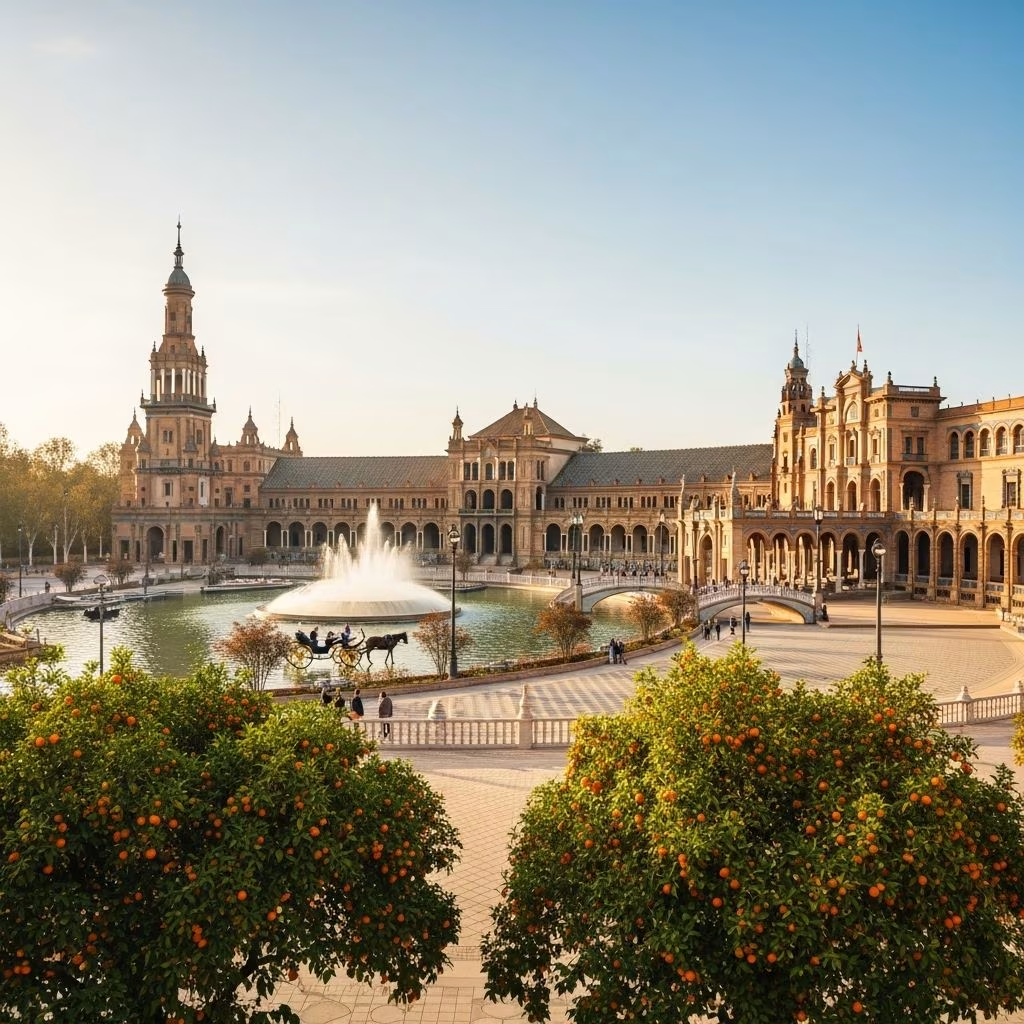
Late spring also coincides with nature’s peak flourish. Blooming flowers and fragrant orange trees throughout the city create a sensory experience unmatched in other seasons. Markets showcase the transition to warmer weather, with fresh produce and seasonal specialties becoming available.
June occupies an interesting middle ground within the summer season. Temperatures range from lows in the 60s Fahrenheit to highs in the low 90s, making it the most bearable summer month. However, June also marks the beginning of peak tourist season, resulting in crowded attractions, fully booked restaurants, and elevated accommodation costs.
For those who must visit during summer, June provides the best compromise between manageable heat and acceptable crowds. Sweet oranges ripen during May and June, offering opportunities to visit markets like Mercado Lonja del Barranco for freshly squeezed orange juice and locally grown varieties. Yet reservations for popular restaurants and attractions become essential, as evening dining establishments often reach capacity by 7:00 PM.
July and August represent Seville’s most extreme season. Temperatures regularly exceed 38°C (100°F), creating conditions that can feel oppressive during midday hours. The heat intensity makes prolonged outdoor exploration challenging, though rainfall remains minimal.
Paradoxically, this season attracts budget-conscious travelers, as accommodation prices drop significantly due to reduced demand from European tourists who prefer milder climates. However, the trade-off involves managing intense heat and navigating alongside fewer visitors competing for space at attractions. The traditional siesta period—typically 2:00 PM to 5:00 PM—becomes not merely a cultural practice but a practical necessity for escaping peak temperature hours.
Indoor attractions such as the Seville Cathedral and major museums offer refuge during afternoon heat. Evening exploration becomes the preferred approach, with many locals and visitors venturing out after sunset when temperatures drop and the city develops a different nocturnal energy.
Early fall represents a transition from summer extremes toward more moderate conditions. September retains warmth but begins cooling gradually. October emerges as one of the most favorable months for exploration, combining golden sunshine with declining heat. Temperatures during this period remain warm but no longer reach the uncomfortable intensity of summer.
Fall’s particular charm lies in its capacity to preserve spring and early summer’s exploration comfort while offering distinctly different atmospheric qualities. Golden light characterizes the season, particularly during sunset hours—an ideal time for experiencing locations like Plaza de España or Metropol Parasol. Early to mid-October maximizes the probability of clear skies and minimal rainfall while maintaining lower tourist numbers compared to peak spring and early summer.
November extends fall’s appeal while introducing greater weather variability. Rainfall increases compared to October, with more frequent cloudy days. However, for travelers unconcerned by occasional precipitation or overcast conditions, November rewards patience with significantly reduced crowds and lower accommodation prices. The city remains navigable and pleasurable despite less-than-perfect weather forecasts.
Winter in Seville maintains relatively mild conditions compared to northern European destinations. Temperatures range from 10-16°C (50-60°F), with December and January experiencing occasional showers. Despite modest rainfall, winter remains drier than many European cities during equivalent periods.
December transforms Seville into a festive destination, with Christmas markets illuminating Plaza Nueva and holiday decorations adorning historic streets. January brings the traditional Three Kings Parade, filling cobbled streets with cultural celebration and local participation. February hints toward spring, with almond blossoms beginning to appear in Parque María Luisa.
Winter attracts fewer international tourists while maintaining sufficient infrastructure and business operations for comfortable exploration. Restaurants remain open, museums operate regular hours, and the reduced crowd density allows intimate appreciation of historic architecture and cultural sites.
| Season | Temperature Range | Rainfall | Crowds | Accommodation Cost | Best For |
|---|---|---|---|---|---|
| Early Spring (Feb-Mar) | 9-20°C (47-68°F) | Moderate | Low to Moderate | Moderate | Authentic experiences, budget-conscious travelers |
| Late Spring (Apr-May) | 10-28°C (50-82°F) | Low | Moderate to High | Higher | Optimal weather, outdoor exploration |
| Early Summer (Jun) | 16-32°C (60-90°F) | Very Low | High | High | Bearable heat with manageable crowds |
| Peak Summer (Jul-Aug) | 16-38°C (60-100°F) | Very Low | Low | Low | Budget travelers, heat-tolerant visitors |
| Early Fall (Sep-Oct) | 12-30°C (54-86°F) | Low | Moderate | Moderate | Comfortable exploration, golden light |
| Late Fall (Nov) | 9-19°C (48-66°F) | High | Low | Low to Moderate | Budget travelers, fewer crowds |
| Winter (Dec-Feb) | 10-16°C (50-60°F) | Moderate | Low | Low to Moderate | Festive experiences, mild exploration |
Seville functions as a popular weekend getaway destination for Spanish travelers, particularly from Madrid via high-speed train connections. Weekends consistently experience considerably higher domestic visitor volumes compared to weekdays. For all seasons except peak tourist months, timing your visit to encompass primarily weekdays significantly reduces crowd density and enhances exploration quality.
Spring months host significant cultural celebrations that define Seville’s identity. Early spring (March to April) brings street-filling festivals that animate plazas and neighborhoods. While these events create vibrant atmospheres, they simultaneously increase accommodation costs and crowd volumes. Planning around specific festival dates allows either intentional participation in celebrations or strategic avoidance of peak activity.
Late spring and early fall represent periods of elevated accommodation pricing driven by optimal weather conditions and moderate tourist volumes. Midweek visits during these seasons yield better pricing compared to weekends, when domestic travelers supplement international visitors. Summer and late fall offer the most favorable accommodation rates, though trade-offs involve either extreme heat or increased rainfall probability.
Seville’s historical center features narrow, winding streets that provide natural shade during daytime hours. This architectural characteristic makes outdoor exploration feasible even during warmer months, distinguishing Seville from cities with wider boulevards and unshaded plazas. The dry weather characteristic of late spring and fall minimizes rainfall interruptions while maintaining conditions suitable for extended walking tours.
Parks such as Parque María Luisa offer additional outdoor exploration opportunities year-round. Sculpted gardens, tree-lined pathways, and adjacent museums like the Museo de Artes y Costumbres Populares and Museo Casa de la Ciencia provide both aesthetic enjoyment and cultural enrichment. Late spring and fall weather particularly enhances these outdoor experiences.
Late April through early May consistently emerges as the optimal choice, combining comfortable temperatures, minimal rainfall, manageable crowds compared to summer peaks, and lower accommodation costs than peak tourist season. This window captures authentic local presence while offering excellent exploration conditions.
July, August, and November offer the lowest accommodation rates. Summer months provide extreme heat but minimal rainfall and reduced tourist competition for resources. Late fall (November) provides milder conditions with even lower pricing, though increased rainfall probability requires flexibility.
Yes, winter merits consideration for travelers seeking authentic experiences and festive atmospheres. Mild temperatures, significantly reduced crowds, and cultural celebrations like Christmas markets and the Three Kings Parade create distinctive experiences unavailable during other seasons.
Summer exploration requires heat management strategies. Early visits (before 11:00 AM), long siesta periods during 2:00-5:00 PM peak heat hours, evening exploration after sunset, and prioritizing indoor attractions like cathedrals and museums enable functional exploration despite uncomfortable daytime temperatures.
Late fall (November) and peak summer (July-August) experience the lowest overall visitor volumes. November combines mild conditions with minimal crowds, while summer’s extreme heat deters most tourists despite budgetary appeal.
Selecting the optimal Seville visit timing depends on individual priorities. Travelers prioritizing comfort and exploration efficiency should target late April through May or early to mid-October. Budget travelers benefit from late fall and summer extremes. Those seeking authentic cultural immersion and festive experiences may prefer winter months or weekday visits during shoulder seasons. Regardless of timing, Seville’s architectural splendor, passionate culture, and vibrant street life reward careful planning with unforgettable experiences.
