

 Travel Essentials
 Travel Essentials

Unlock Shikoku's seasonal charms: spring pilgrimages, summer adventures, fall colors, and winter serenity. Plan your trip with weather, crowds, and events in mind.
 Travel Essentials
Shikoku, Japan’s lush and least-visited main island, offers diverse experiences year-round, shaped by its subtropical climate, mountainous terrain, and cultural heritage. Whether you’re drawn to the iconic 88 Sacred Temples pilgrimage, coastal adventures, or vibrant festivals, timing your visit maximizes enjoyment while minimizing discomfort from weather extremes. Spring and autumn stand out for mild conditions ideal for walking and sightseeing, while summer brings energy for water sports and events, and winter provides quiet reflection.
Shikoku enjoys a temperate climate influenced by the Seto Inland Sea and Pacific Ocean, with four distinct seasons. Average temperatures range from 5–10°C (41–50°F) in winter to 25–30°C (77–86°F) in summer, accompanied by a rainy season from early June to mid-July. Typhoons occasionally strike from August to October, but clear days dominate shoulder seasons. Humidity peaks in summer (78–83%), dropping to comfortable 70% in spring and fall. Rainfall is heaviest June–July, with drier periods March–May and October–November.
| Season | Avg Temp (°C) | Rainfall | Crowds | Highlights |
|---|---|---|---|---|
| Spring (Mar–May) | 12–18 | Low | High | Cherry blossoms, pilgrimage start |
| Summer (Jun–Aug) | 25–30 | High (rainy season) | Medium | Festivals, beaches, hiking |
| Autumn (Sep–Nov) | 17–24 (cooling) | Medium | High | Foliage, temple events |
| Winter (Dec–Feb) | 5–10 | Low | Low | Quiet temples, hot springs |
Spring transforms Shikoku into a floral paradise, making it the top choice for first-time visitors and pilgrims. From mid-March, cherry blossoms (sakura) begin blooming, peaking late March to early April, with variations by altitude and weather. Temples like those in Kōchi and Tokushima frame sakura seas, offering serene hanami picnics without Tokyo-level crowds. Temperatures hover at 12–18°C (53–64°F), perfect for the 88 Temples route, where walkers start in early April to finish by May’s end.
May ushers in Golden Week (April 29–May 5), Japan’s major holiday, boosting crowds and prices but sparking festivals and outdoor pursuits. Hiking seasons open on peaks like Ishizuchi-san, western Japan’s highest at 1,982m. Water activities ramp up on rivers like Yoshino. Book accommodations early, as families flock to beaches and rural spots. Rainfall remains low, humidity moderate at 70–78%, though occasional yellow dust haze (kōsa) from Asia may tint skies.
Summer pulses with heat, humidity, and festivities, suiting adventure seekers tolerant of 25–30°C (77–86°F) and frequent showers. The rainy season (tsuyu) hits early June to late July, delivering downpours but lush greenery and fewer tourists—ideal for budget stays and spontaneous temple visits. Cicadas soundtrack rural walks, and rain enhances garden vibrancy.
Post-rainy season, August peaks with heat and Obon (mid-August), when ancestral visits fill beaches and rivers. Iconic yosakoi and Awa Odori dances electrify streets in cities like Kōchi and Tokushima. Surfers chase swells on southern coasts from June–October, rafters tackle Yoshino gorges, and climbers ascend Ishizuchi-san after its July 1 oyama-biraki festival. Despite crowds during holidays, rural Shikoku stays accessible.
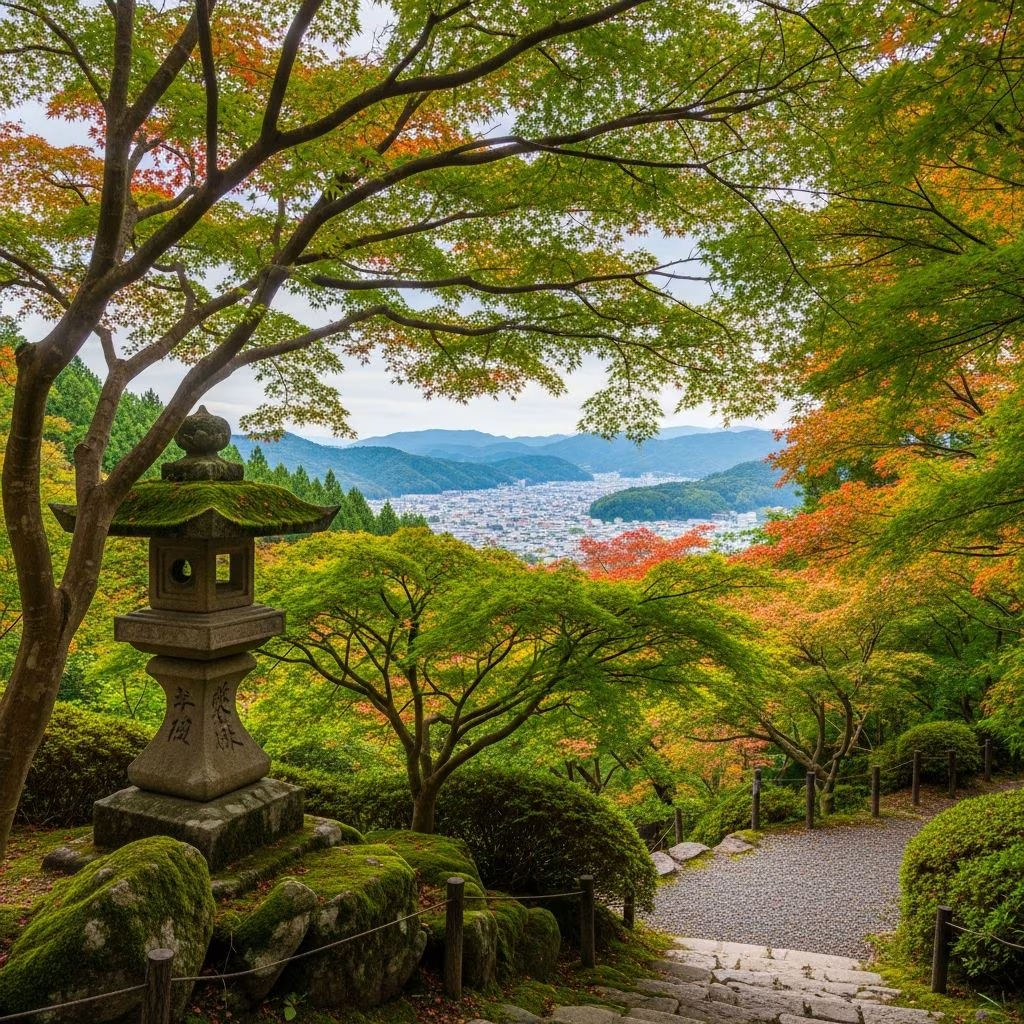
Autumn rivals spring as Shikoku’s sweet spot, with cooling breezes (17–24°C/64–75°F early, dropping to 6–13°C/43–55°F by November), colorful foliage (kōyō), and active temple schedules. Early September offers warm weather minus summer crowds, perfect for hiking central mountains and outdoor pursuits. Typhoon risks linger, but anticyclonic winds often bring clear skies.
Late October–November dazzles with red maples (momiji) and golden ginkgos around temples, especially in Kōchi (peak Nov 15–Dec 8). Pilgrims thrive on crisp air for completing the route before winter chill. Urban festivals draw visitors to Takamatsu and Matsuyama, so reserve ahead. Rainfall is moderate, higher in south.
Winter quiets Shikoku, with 5–10°C (41–50°F) days, occasional snow in mountains, and low humidity—great for introspective pilgrimages or hot springs (onsen). Fewer visitors mean easy temple access and deals, though higher routes may close. Coastal areas stay mild, suiting slow travel via buses or trains sans shinkansen.
January–February’s chill deters crowds, allowing solitude at sites like Iya Valley or Matsuyama Castle. Cherry blossoms tease in late February hills. Pair with nearby Honshu for ski combos.
Tailor visits to passions:
Monitor Japan Meteorological Agency for forecasts; apps track sakura/kōyō fronts.
April for cherry blossoms and mild pilgrimage weather, or October for foliage and comfort.
High humidity challenges walkers, but buses and early starts work; great for festivals.
Yes, spring or autumn allows 1.5–2 months walking the 1,200km route.
Sep–Oct risks; check alerts, focus on indoor sites like castles.
Winter: solitude, onsens; cheaper stays everywhere.
Pack versatile layers, rain gear, sturdy shoes. Use JR Pass for trains/buses; rent cars for flexibility. Respect henro etiquette: white attire, conch shell. Sustainability: stick to paths, support local eateries for udon, katsuo no tataki.
