

 Travel Essentials
 Travel Essentials

Discover when to visit Siem Reap by exploring weather patterns, crowd levels, and seasonal activities across all months.
 Travel Essentials
Siem Reap stands as one of Southeast Asia’s most captivating destinations, drawing millions of visitors annually to explore its ancient temples, vibrant markets, and rich cultural heritage. However, the timing of your visit significantly shapes your experience. The region’s tropical climate creates distinct seasonal patterns that influence everything from temperature and rainfall to accommodation prices and temple accessibility. Understanding these patterns empowers travelers to align their schedules with their priorities, whether seeking optimal weather conditions, fewer fellow travelers, or vibrant local festivals.
Siem Reap operates within a tropical savanna climate characterized by two dominant monsoon systems that govern the region’s annual weather patterns. The northeast monsoon, flowing from December through April, establishes the dry season when weather stability allows for predictable planning and outdoor exploration. Conversely, the southwest monsoon arrives from May through November, bringing moisture-laden air currents that transform the landscape into verdant scenery while saturating the region with regular precipitation. These climatic divisions create three distinct travel periods, each presenting unique advantages and considerations for different traveler profiles.
The November-to-February window represents Siem Reap’s most sought-after travel period, primarily due to atmospheric conditions that create near-ideal sightseeing circumstances. December and January specifically stand out as the apex of desirable conditions, offering consistently sunny skies, minimal precipitation, and moderate temperatures hovering between 21°C and 30°C (70°F to 86°F). This weather stability transforms exploration of Angkor Wat and surrounding archaeological sites into comfortable, photo-friendly experiences.
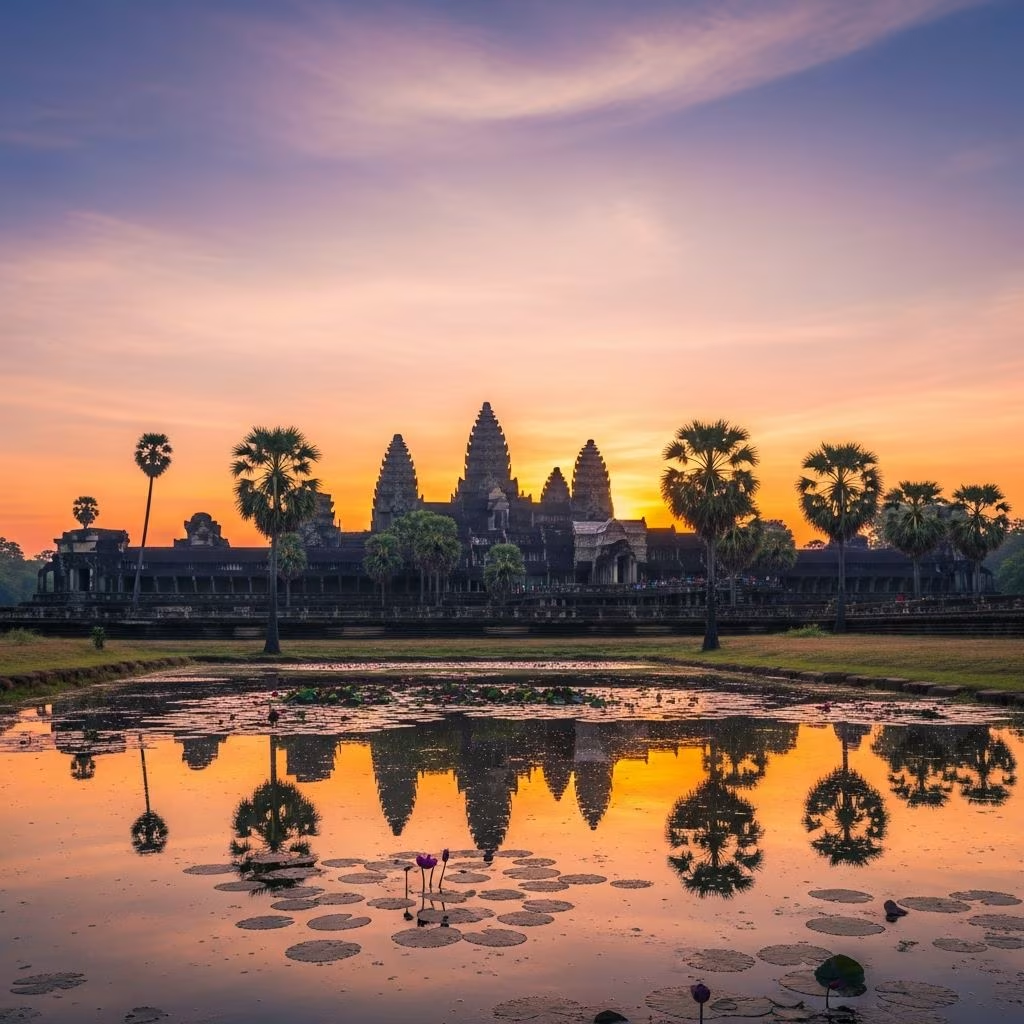
The atmospheric clarity during this season produces exceptional lighting conditions for photography. Temple stonework glows with golden hues during sunrise and sunset hours, while clear skies eliminate atmospheric haze that can obscure architectural details. The low humidity levels characteristic of this period mean visitors can walk temple grounds for extended periods without excessive perspiration or discomfort.
This desirable weather comes with notable disadvantages for budget-conscious and solitude-seeking travelers. Peak season concentrates the majority of annual visitor arrivals into these months, creating crowded conditions at major attractions. Hotels implement premium pricing during this period, with rates potentially doubling or tripling compared to off-season rates. Popular restaurants and guides book to capacity, requiring advance reservations for reliable service. Additionally, sunrise viewings at Angkor Wat become increasingly crowded as hundreds of photographers converge to capture identical compositions.
The March-April interval occupies a liminal space in Siem Reap’s seasonal calendar. This transitional period leads into the monsoon system’s arrival while maintaining predominantly dry conditions, yet temperatures escalate dramatically as solar radiation intensifies. March brings temperatures ranging from 35°C to 40°C (95°F to 104°F), while April frequently exceeds 40°C and occasionally reaches 45°C (113°F), creating sweltering conditions that discourage extended outdoor activities.
Paradoxically, this seemingly inhospitable period aligns with Cambodia’s vibrant Khmer New Year celebrations, typically occurring in mid-April. These festivities transform communities with parades, traditional performances, markets, and spiritual ceremonies that provide authentic cultural immersion opportunities unavailable during other seasons. Many temples observe special rituals and decorations during this period, offering unique photographic and experiential opportunities for culturally interested travelers.
The extreme heat necessitates modified exploration strategies during these months. Early morning temple visits before temperatures peak, afternoon rest periods in air-conditioned environments, and evening excursions become essential tactics. Some travelers specifically target indoor attractions—museum visits, artisan workshops, cooking classes—during daytime hours, reserving outdoor sightseeing for cooler dawn and dusk periods.
The May-October period represents Siem Reap’s meteorologically wet season, yet dismissing this interval as unfavorable overlooks substantial advantages for particular traveler demographics. Rather than persistent all-day downpours, precipitation typically arrives in predictable patterns—afternoon thunderstorms, evening showers, or overnight rainfall. Mornings frequently feature clear skies and adequate sunshine for productive temple exploration before afternoon rain arrives. This precipitation pattern allows for rewarding daily activities while maintaining photographic opportunities.
The frequent rainfall transforms surrounding landscapes into extraordinary verdancy. Vegetation flourishes across archaeological sites, temple gardens bloom prolifically, and natural water features like Phnom Kulen waterfall reach maximum flow rates and visual drama. This seasonal transformation appeals to nature photographers, botanical enthusiasts, and travelers seeking less-commercialized experiences.
The rainy season delivers substantial economic advantages. Accommodation prices decline significantly, often representing 30-50% reductions compared to peak season rates. This pricing advantage extends across dining, transportation, and activities. Tour availability increases as guides experience reduced booking pressures, potentially allowing for more flexible itinerary customization and personalized attention. The reduced visitor volume means shorter queues at temples, less crowded photography spots, and more peaceful contemplative experiences at sacred sites.
| Period | Months | Temperature Range | Weather Pattern | Crowd Level | Price Level | Best For |
|---|---|---|---|---|---|---|
| Dry Season | November – February | 21–30°C | Clear, minimal rain | High | Premium | Optimal weather, photography |
| Hot Transition | March – April | 35–45°C | Dry, extremely hot | Moderate | High | Cultural festivals, indoor activities |
| Wet Season | May – October | 25–35°C | Regular afternoon rains | Low | Economy | Green landscapes, budget travel |
Archaeological site visitation benefits from weather predictability and atmospheric conditions. The December-February window provides consistent dry conditions allowing multi-day temple circuits without weather interruption. Lighting quality during sunrise and sunset hours reaches optimal levels during this period, particularly for architectural photography. However, the wet season offers rewarding temple experiences despite precipitation, with fewer visitors enabling unhurried exploration and contemplative moments.
Tonle Sap Lake exploration and boat excursions depend significantly on water levels and weather conditions. The wet season produces maximum water levels, enabling boat access to floating villages and enhanced water-based activities. Conversely, the dry season offers calmer lake conditions and improved visibility for photography, though reduced water levels may limit some boat routes.
Extended cycling tours and walking explorations demand comfortable temperatures and reliable weather. The cool, dry December-January period facilitates full-day outdoor activities without excessive heat stress. Rainy season exploration requires rain gear and acceptance of afternoon moisture but remains feasible for flexible travelers willing to adapt daily schedules around weather patterns.
December and January represent the climatic and meteorological optimum, combining cool temperatures, minimal precipitation, and clear skies. However,
