

 Travel Essentials
 Travel Essentials

A comprehensive guide to visiting Switzerland across all four seasons, helping travelers choose the best time based on weather, activities, and budget preferences.
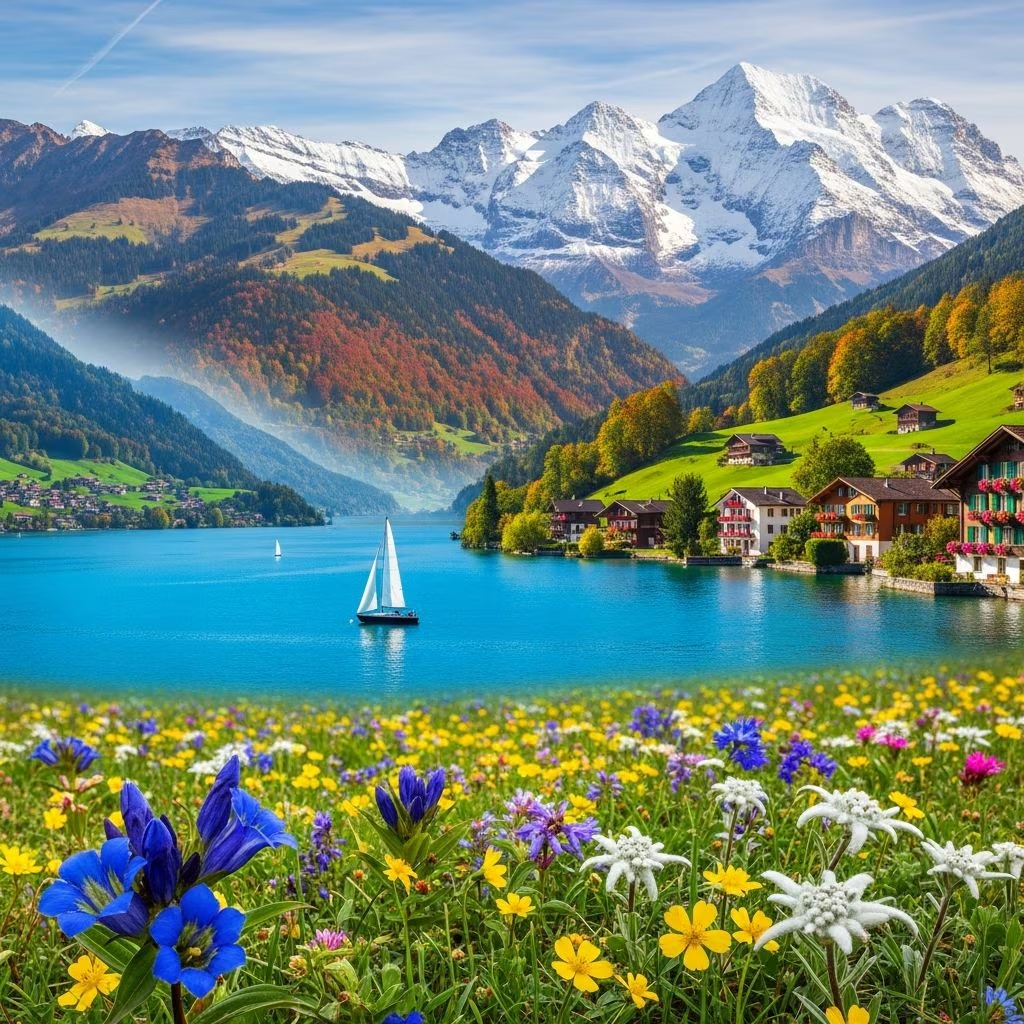 Travel Essentials
Switzerland stands as one of Europe’s most captivating destinations, offering distinct experiences throughout the calendar year. Whether you seek pristine alpine peaks, charming medieval towns, or world-class skiing facilities, the timing of your visit fundamentally shapes your experience. Understanding the characteristics of each season empowers travelers to make informed decisions that align with their preferences, budget, and available time.
The Swiss landscape transforms dramatically across the four seasons, presenting unique opportunities for exploration and adventure regardless of when you choose to travel. Each period brings its own atmospheric qualities, activities, and visitor patterns. Rather than a single “best” time to visit, Switzerland offers multiple optimal windows depending on individual priorities. First-time visitors planning comprehensive itineraries often find success during the warmer months, while seasoned travelers may prefer quieter periods for a more intimate experience.
The months spanning March through May represent a transformative period in Switzerland, as the nation shakes off winter’s grip and embraces renewal. During this shoulder season, the countryside undergoes a dramatic metamorphosis. Snow retreats from lower elevations while alpine meadows burst into color with wildflowers and blossoms. Cherry trees paint Zurich and Bern with delicate pink and white blooms, creating Instagram-worthy backdrops for city exploration.
Visitors should prepare for variable conditions during this transitional period. March temperatures hover around 5°C (41°F), gradually warming to approximately 15°C (59°F) by May. However, this season brings unpredictable weather. April, in particular, presents a meteorological wildcard—rain, wind, sunshine, and occasional snowfall can all occur within a single day. This variability requires thoughtful packing that includes both light layers and waterproof gear.
Despite weather unpredictability, May offers increasingly stable conditions. Daytime temperatures in Swiss cities frequently surpass 15°C (60°F), making outdoor exploration comfortable and rewarding. The lengthening daylight hours provide extended opportunities for sightseeing and activity.
Spring uniquely combines multiple advantages that appeal to different traveler profiles. The shoulder-season pricing significantly undercuts peak summer rates, making accommodation and attractions more affordable for budget-conscious adventurers. Simultaneously, crowds remain considerably lighter than high-season levels, allowing for more peaceful exploration of popular sites.
The season accommodates an intriguing duality of activities. Morning alpine adventures might include skiing or snow sports in higher elevations where winter conditions persist, while afternoons can involve leisurely strolls through blooming valleys. Mountain snowmelt creates spectacular waterfall displays that reach their dramatic peak during this period. Indoor alternatives flourish too—museum visits, wine tastings, and boutique shopping provide excellent rainy-day options.
Spring proves particularly advantageous for urban exploration. Cities like Lucerne, Geneva, and Zurich welcome visitors with mild weather and manageable tourist volumes. Lake Lucerne boat tours and Mount Pilatus excursions offer stunning early-season experiences. Mount Rigi provides accessible early-spring hiking for those transitioning from winter inactivity.
June through August constitute Switzerland’s peak travel season, when the nation experiences its most dramatic surge in visitors and its most reliably favorable weather. During these months, summer temperatures typically range from 18°C to 30°C (64°F to 86°F), depending on altitude and specific location. The high Alps maintain cooler conditions, making them appealing refuge during Europe’s hottest days.
Summer transforms Switzerland into a hiker’s paradise. Clear skies provide excellent visibility for mountain photography and panoramic experiences. The vibrant greens of the Alpine meadows create stunning contrasts with snow-capped peaks. Long daylight hours—extending from early dawn through late evening—maximize opportunities for outdoor pursuits. These extended light hours fundamentally change the vacation rhythm, allowing travelers to engage in multiple activities within single days.
The season enables participation in an expansive range of recreational activities. Hiking opportunities proliferate across Switzerland, from the Five Lakes Walk in Zermatt to the Eiger Trail in Grindelwald. Mountain biking flourishes in regions like the Bernese Oberland and Swiss National Park, with extensive, well-maintained trail systems. Lake activities dominate coastal experiences—swimming, paddleboarding, and boat cruises on Lake Lucerne, Lake Geneva, and Lake Thun provide refreshing aquatic adventures.
Alpine infrastructure operates at maximum capacity during summer. Cable cars ascend to high-altitude viewpoints including Jungfraujoch, Titlis, Gornergrat, and Schilthorn. Scenic train journeys like the Glacier Express and Bernina Express offer unobstructed views of dramatic landscapes. These transportation options, combined with clear weather and long days, create optimal conditions for both casual sightseeing and adventure tourism.
The peak season’s advantages come with significant drawbacks. Visitor volumes reach their zenith, resulting in crowded attractions, busy hiking trails, and substantial queues at popular cable car stations. Accommodation becomes scarce and expensive, requiring advance booking to secure rooms at reasonable rates. Restaurants in tourist areas operate at capacity, sometimes with wait times for dining.
Despite these challenges, summer remains the ideal period for first-time visitors to Switzerland. The comprehensive accessibility of mountain areas, reliable weather, longest daylight hours, and full range of operational activities make summer the most straightforward season for comprehensive exploration. Travelers should arrive with managed expectations about crowds and make reservations well in advance.
September and October represent a magical transition period when summer crowds dissipate and nature prepares for winter. The atmospheric qualities during autumn—crisp air, clear visibility, and vibrant foliage—create conditions beloved by photographers and contemplative travelers. These months occupy a sweet spot between peak-season chaos and emerging cold weather.
Early autumn maintains summer’s warmth, with September temperatures ranging from 10°C to 15°C (50°F to 59°F). By November, conditions cool noticeably to 2°C to 8°C (36°F to 46°F), necessitating warmer clothing. However, the season’s defining characteristic involves nature’s color palette transformation. Deciduous forests shift through golden yellows, deep oranges, and brilliant reds, creating landscapes of extraordinary beauty.
The combination of fewer crowds, pleasant temperatures, and natural beauty positions autumn as an underrated travel period. Hiking and city exploration reach their ideal conditions—cool enough for comfortable exertion, warm enough for outdoor activities, and crowded enough to feel vibrant but uncrowded enough for peaceful experiences. Accommodation availability increases while rates decline relative to peak summer prices.
Autumn’s reduced visitor volume fundamentally changes the travel experience. Alpine trails accommodate hikers without the congestion of peak season. Mountain villages retain their authentic character, less overwhelmed by tourist infrastructure. Museums and attractions operate without extended queues. This period appeals to travelers seeking Switzerland’s natural attractions with more contemplative, unhurried engagement.
December through February transform Switzerland into a winter sports destination and festive celebration zone. Snow blankets the landscape, creating picture-postcard scenes of snow-covered chalets, frozen lakes, and pristine Alpine peaks.
For skiing and winter sports enthusiasts, these months represent the optimal visiting period. Swiss ski resorts operate at full capacity with excellent snow conditions and comprehensive trail availability. Après-ski culture flourishes in mountain towns. Beyond skiing, winter enables ice skating, snowshoeing, sledding, and other cold-weather activities. The festive season brings Christmas markets, holiday decorations, and special events in Swiss cities.
Winter travel requires careful planning and substantial budgeting. Accommodation at ski resorts commands premium prices, particularly during December holidays and mid-February school holidays. Mountain passes may close due to heavy snow, affecting travel logistics. Cold temperatures (typically between -5°C and 5°C / 23°F to 41°F) necessitate appropriate winter gear. Some mountain infrastructure closes seasonally, limiting certain activities.
Winter appeals specifically to snow sports enthusiasts and travelers seeking festive ambiance. First-time visitors without skiing experience might find summer’s comprehensive activity range more suitable.
| Season | Temperature Range | Crowd Level | Price Level | Best For |
|---|---|---|---|---|
| Spring (Mar-May) | 5-15°C (41-59°F) | Low to Moderate | Mid | Budget travelers, photographers, mild-weather seekers |
| Summer (Jun-Aug) | 18-30°C (64-86°F) | High | High | First-timers, outdoor enthusiasts, families |
| Autumn (Sep-Oct) | 10-15°C (50-59°F) | Moderate | Mid | Hikers, nature lovers, those seeking balance |
| Winter (Dec-Feb) | -5 to 5°C (23-41°F) | High (resorts) | High | Skiers, winter sports fans, festive travelers |
Travelers experiencing Switzerland for the first time typically benefit most from June through September. This extended window provides the most favorable weather conditions, longest daylight hours, and maximum accessibility to mountain infrastructure. Summer enables comprehensive exploration spanning cities, lakes, and Alpine regions. While crowds and costs run higher, the reliability and activity breadth justify premium investment for inaugural visits.
April through May and September through October offer substantially better value propositions. Accommodation rates decline noticeably during these shoulder periods while weather remains generally pleasant. Hiking, city exploration, and lake activities remain viable. Travelers should prepare for variable spring weather and expect slightly cooler autumn temperatures, but these minor adjustments yield significant financial savings.
Hikers and outdoor enthusiasts find June through September ideal, though September and October provide superior experiences with lighter crowds. Lake swimmers favor June through August when water temperatures reach comfortable levels. Winter sports enthusiasts must target December through February despite higher prices and potential weather-related complications. Those seeking peaceful exploration with reduced tourist infrastructure should consider April-May or September-October.
Travelers targeting peak summer season should reserve accommodations four to six months in advance. Shoulder-season visitors can typically book two to three months ahead with acceptable availability. Transportation passes, including the Swiss Travel Pass, offer enhanced value during spring months when promotional fares frequently emerge.
Spring and autumn require layered clothing accommodating temperature fluctuations. Summer demands sun protection, hiking boots, and swimwear. Winter necessitates comprehensive cold-weather gear including insulated jackets, thermal layers, and waterproof outerwear. All seasons benefit from quality hiking boots suitable for variable terrain.
Spring and autumn visitors especially should maintain activity flexibility given weather unpredictability. Planning museum visits, wine tastings, and shopping as rainy-day alternatives ensures engagement regardless of meteorological conditions. Summer visitors should pre-book popular attractions to guarantee access despite crowding.
No single optimal period suits all travelers. Summer (June-August) offers the most favorable conditions and comprehensive activity availability but features crowds and premium pricing. Shoulder seasons (spring and autumn) provide better value with still-pleasant weather. Winter suits skiing enthusiasts exclusively. Your ideal period depends on personal priorities—budget, activities, crowd tolerance, and climate preferences.
Yes, winter offers alternatives including snowshoeing, sledding, ice skating, and Christmas market exploration. However, many Alpine areas close seasonally, and weather can restrict activities. Spring, summer, and autumn offer more diverse activity options for non-skiers.
April and May typically see lower volumes than summer, as do September and October. November represents the lowest-traffic period overall, though weather becomes increasingly unpredictable and some facilities close. April offers the best combination of manageable crowds with relatively stable weather.
Costs run significantly higher in summer. Budget travelers should target April-May or September-October for better accommodation rates and generally lower prices across attractions and dining.
Switzerland’s extraordinary natural landscapes and cultural attractions remain accessible throughout the year, with each season presenting distinct advantages and characteristics. The optimal visiting period ultimately reflects individual priorities—whether emphasizing weather reliability, activity availability, budget constraints, crowd avoidance, or specific pursuits like skiing or photography. By thoughtfully considering seasonal characteristics against personal preferences, travelers can craft Swiss experiences perfectly aligned with their vision and constraints.
