

 Travel Essentials
 Travel Essentials

Navigate Switzerland's four seasons to find your perfect travel window. Learn weather patterns, crowd levels, and seasonal activities.
 Travel Essentials
Switzerland stands as one of Europe’s most coveted destinations, attracting visitors throughout the year with its dramatic Alpine peaks, pristine lakes, and charming medieval villages. However, the experience of visiting this alpine nation varies dramatically depending on when you choose to travel. Understanding the distinct characteristics of each season allows travelers to align their visit with both their interests and travel priorities, whether seeking outdoor adventures, cultural exploration, or budget-conscious exploration. This comprehensive guide examines what each season offers, helping you craft an unforgettable Swiss experience tailored to your preferences.
Switzerland’s geographical position in central Europe creates a temperate continental climate characterized by four distinctly different seasons, each bringing unique weather patterns and travel opportunities. The country’s elevation variations—from lowland regions to peaks exceeding 4,600 meters—significantly influence temperature and weather conditions. Higher altitudes experience cooler temperatures and longer winter periods, while lower-lying areas benefit from milder conditions. This natural diversity means visitors can encounter vastly different climatic experiences depending on their location within the country and the time of year.
Precipitation occurs relatively consistently throughout the year, though rainfall patterns shift seasonally. Spring and autumn tend to bring more frequent precipitation, while summer typically features clearer conditions punctuated by occasional brief showers. Understanding these climate fundamentals helps travelers prepare appropriately and manage expectations regarding outdoor activities and sightseeing opportunities.
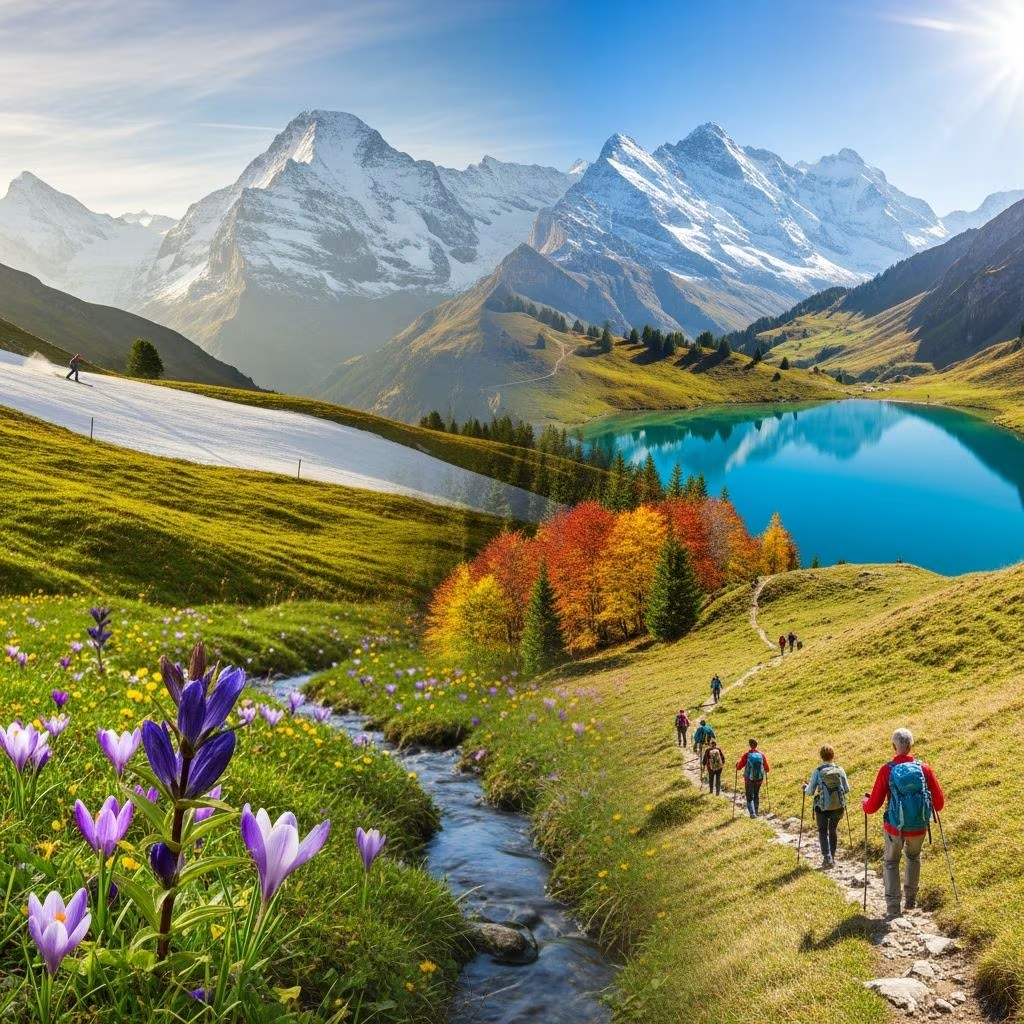
The spring months spanning March through May represent a transformative period for Switzerland, as the country transitions from winter dormancy to vibrant renewal. During this season, temperatures gradually climb from approximately 41°F (5°C) in March to 59°F (15°C) by May, creating increasingly comfortable conditions for outdoor exploration. The warming trend encourages nature’s resurgence, with wildflower blooms painting alpine meadows and valleys in brilliant colors, while fruit trees blossom throughout lower-lying regions.
Spring particularly appeals to travelers seeking to escape the peak-season crowds while enjoying substantially lower accommodation prices. Tourist numbers remain relatively moderate, creating a more relaxed atmosphere for city exploration and mountain pursuits. The season offers a distinctive duality—higher elevations retain winter snow conditions suitable for spring skiing, while lower areas showcase spring’s verdant landscapes. This combination permits adventurous travelers to experience both seasons simultaneously, perhaps enjoying morning ski runs followed by afternoon strolls through blooming valleys.
Spring activities and attractions include:
Weather variability characterizes April particularly, as the month experiences an unpredictable mix of rain, wind, sunshine, and occasional snowfall. May provides more atmospheric stability, with daytime temperatures frequently exceeding 60°F in urban areas. Despite increased rainfall during spring months, the season offers numerous indoor alternatives including museums, galleries, wine tastings, and shopping in Swiss boutiques.
June through August represents Switzerland’s peak travel season, when the country experiences its warmest weather, longest daylight hours, and most accessible mountain conditions. Summer temperatures typically range from 64°F to 82°F (18°C to 28°C) depending on altitude and location, creating ideal conditions for virtually all outdoor pursuits. The extended daylight—with the sun remaining visible well into evening hours—maximizes sightseeing opportunities and outdoor activities.
During summer months, Switzerland’s landscape reaches its verdant peak, with brilliant green valleys contrasting against snow-capped peaks and clear blue skies. The combination of stable weather, comfortable temperatures, and maximal daylight transforms the country into an outdoor enthusiast’s paradise. However, this same combination attracts substantial tourist crowds and commands premium pricing for accommodations and services.
Signature summer experiences include:
Summer’s popularity reflects genuine advantages—excellent visibility enables spectacular mountain photography, all major attractions and accommodations operate at full capacity, and transportation networks function optimally. Nevertheless, popular destinations and trails experience significant congestion, and accommodation costs peak significantly. Budget-conscious travelers should book accommodations well in advance and consider visiting less-famous destinations to avoid the most intense crowds.
The autumn months of September through October offer an often-overlooked gem in the Swiss travel calendar. As summer crowds dissipate and school schedules return to normal, the country transitions to a quieter, more contemplative experience. Temperature ranges decline to 50°F to 59°F (10°C to 15°C) in September, moderating further to 36°F to 46°F (2°C to 8°C) by November, necessitating warmer clothing but remaining comfortable for extended outdoor activity.
The defining characteristic of autumn in Switzerland is the dramatic transformation of alpine vegetation. Deciduous trees shift through brilliant shades of red, orange, and gold, creating landscapes of extraordinary visual beauty. This phenomenon combines with reduced tourist numbers and more affordable accommodations to create exceptional value for travelers seeking natural beauty without peak-season disruptions. The clearer air typical of autumn months produces particularly sharp views of mountain peaks and distant vistas.
Autumn-specific activities include:
September remains relatively warm and stable, making it an excellent transition month for visitors uncomfortable with colder temperatures. October provides more dramatic color transformation but increasingly variable weather, requiring flexible activity planning. By late October, higher elevations begin receiving snow, and some mountain passes and facilities commence seasonal closures.
December through February transforms Switzerland into a winter wonderland, particularly appealing to visitors prioritizing snow sports and seasonal ambiance. While winter brings colder temperatures and shorter daylight hours, the season offers distinct advantages for specific traveler demographics. Snow covers the landscape at higher elevations, creating classic postcard-worthy scenery with snow-laden trees and frozen lakes.
Winter is definitively the optimal period for skiing and snowboarding enthusiasts, as Switzerland’s extensive resort network operates at full capacity during these months. Beyond winter sports, the season features festive Christmas markets, holiday decorations transforming towns into magical settings, and cozy indoor cultural experiences. Hotel rates decline compared to summer, and lower crowding applies outside December holiday weeks and January-February school vacation periods.
Winter travel considerations include:
Winter temperatures typically decline to near or below freezing at lower elevations, with mountain areas experiencing substantially colder conditions. Precipitation frequently arrives as snow at higher elevations and occasionally at lower altitudes, potentially disrupting travel plans. Winter visitors should prepare for variable conditions and remain flexible regarding outdoor activity scheduling.
| Season | Temperature Range | Crowd Level | Price Level | Best For |
|---|---|---|---|---|
| Spring (Mar-May) | 41°F–59°F (5°C–15°C) | Low to Moderate | Mid | Budget travel, blooming landscapes, mixed activities |
| Summer (Jun-Aug) | 64°F–82°F (18°C–28°C) | Very High | Peak | Hiking, swimming, festivals, mountain activities |
| Autumn (Sep-Oct) | 36°F–59°F (2°C–15°C) | Low to Moderate | Mid | Color viewing, hiking, relaxation, photography |
| Winter (Dec-Feb) | Below freezing | Moderate to High | Mid to Peak | Skiing, winter sports, festive atmosphere |
Selecting the optimal travel period depends fundamentally on your activity preferences, budget constraints, and tolerance for crowds. First-time visitors typically benefit from June through September travel, offering the most predictable weather, longest daylight hours, and maximum availability for mountain excursions. These months provide the lowest risk of activity cancellations due to weather conditions and maximum operational capacity across tourist infrastructure.
Budget-conscious travelers should prioritize April through May or September through October, when mild weather combines with significantly discounted accommodation rates and reduced tourist congestion. These shoulder seasons offer excellent value propositions without sacrificing essential travel experiences. The trade-off involves accepting more variable weather and slightly reduced availability for some seasonal activities.
Snow enthusiasts and winter sports practitioners should schedule visits during December through February, despite elevated prices and variable weather conditions. December holidays and January-February school vacation periods bring substantial crowds and premium pricing, while November and March-April offer more relaxed alternatives for winter sports in lower-altitude resorts.
Active hikers and outdoor enthusiasts frequently prefer May through October, encompassing both shoulder seasons and peak summer. This extended window offers reliable weather for extended Alpine hiking without the extreme heat of midsummer. Autumn’s reduced crowds particularly appeal to hikers seeking solitude and contemplative mountain experiences.
Successful Swiss travel requires season-appropriate preparation. Spring and autumn visitors should pack layered clothing accommodating temperature fluctuations, waterproof jackets for frequent precipitation, and comfortable walking shoes suitable for variable terrain. Summer travelers need sun protection, light breathable clothing, swimming attire for lake activities, and sturdy hiking boots. Winter requires thermal layers, insulated jackets, winter boots, and accessories protecting against cold and moisture.
All seasons benefit from quality walking footwear, as Swiss travel inherently involves substantial pedestrian movement through towns, villages, and mountain environments. Regardless of season, sun protection remains essential due to high altitude and intense UV exposure, particularly in mountain regions.
Switzerland’s diverse seasonal offerings ensure rewarding travel experiences across all four seasons, with each period providing distinctive advantages and character. Spring celebrates renewal with blooming landscapes and manageable crowds. Summer maximizes outdoor adventure potential with optimal weather and accessibility. Autumn delivers spectacular color transformations and peaceful exploration. Winter offers snowy landscapes and festive celebrations.
By aligning your travel timing with your specific interests, budget parameters, and tolerance for weather variability, you can craft an authentically rewarding Swiss experience. Whether seeking Alpine adventures, cultural immersion, natural beauty, or cost-effective exploration, Switzerland’s calendar accommodates your preferences with seasonal options delivering memorable experiences and lasting impressions of this remarkable Alpine nation.
