

 Travel Essentials
 Travel Essentials

Unlock the best periods to visit Tanzania for wildlife migrations, dry weather safaris, beach escapes, and mountain treks while avoiding peak crowds and rains.
 Travel Essentials
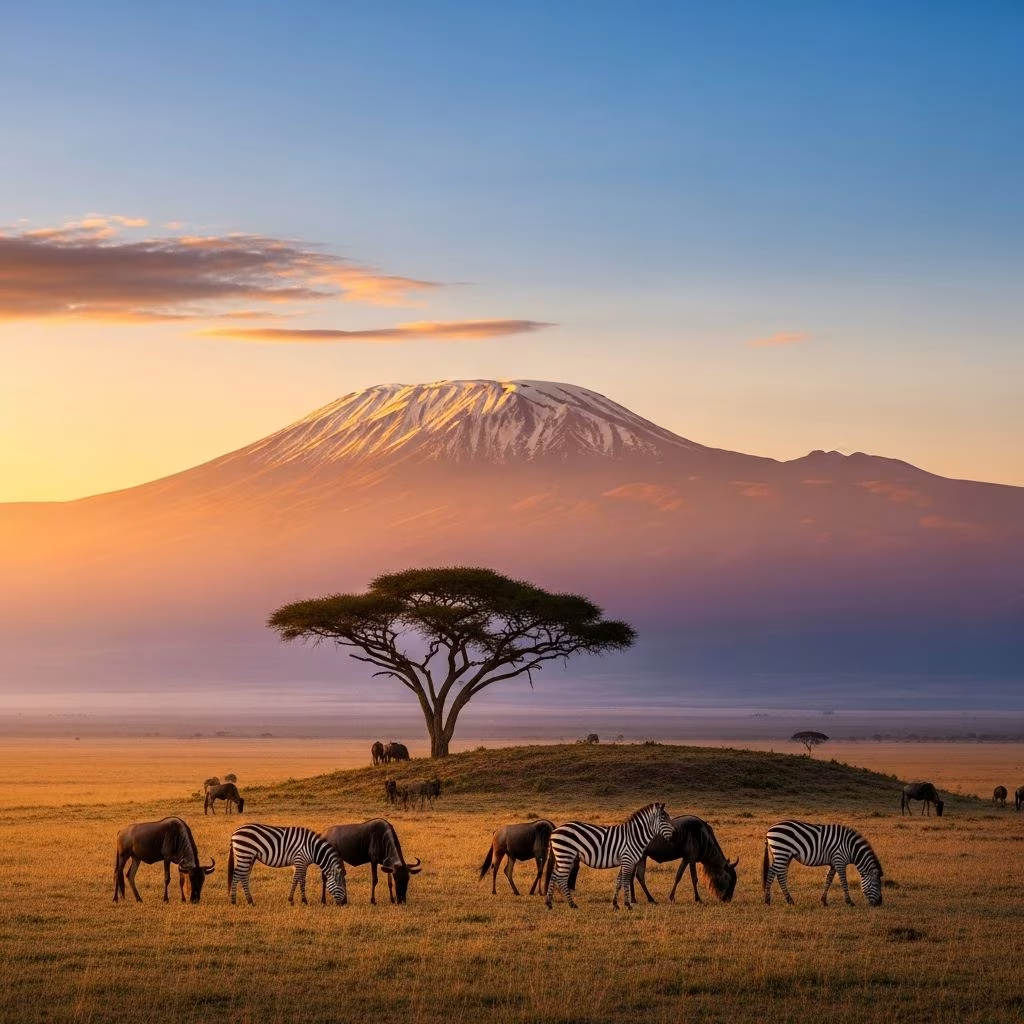
Tanzania offers a year-round tapestry of experiences, from vast savannas teeming with wildlife to pristine coastal paradises and towering peaks. The country’s climate features distinct dry and wet periods that profoundly influence travel conditions, animal behaviors, and activity availability. Selecting the right time hinges on your priorities—whether chasing the dramatic Great Migration, seeking solitude amid lush greenery, or climbing Africa’s highest mountain.
Tanzania’s weather divides into two rainy seasons and two dry periods, varying slightly by region. The long rains strike from March to May, delivering heavy afternoon downpours that transform landscapes into vibrant greens but muddy roads and close remote lodges. Short rains from November to mid-December bring brief evening showers, greening the plains without major disruptions. Dry seasons—June to October (long dry) and January to February (short dry)—feature clear skies, cooler temperatures, and concentrated wildlife around water sources, ideal for game viewing.
Northern parks like Serengeti and Ngorongoro Crater see the most dramatic shifts, while southern reserves such as Ruaha and Selous offer consistent sightings year-round. Coastal Zanzibar maintains warm temperatures (around 30°C/86°F) but gets rainier November to March. Mount Kilimanjaro’s slopes demand dry months to avoid slippery trails and hypothermia risks.
This extended dry spell, often called peak season, draws crowds for its reliable weather and wildlife spectacles. Daytime highs hover at 25-28°C (77-82°F) with crisp nights, perfect for extended game drives. Shorter grasses reveal hidden animals, and rivers become focal points for predators.
Book safaris 9-12 months ahead, as lodges fill fast. Zanzibar beaches shine with calm seas for snorkeling coral reefs.
A quieter high season alternative, these months post-short rains deliver hot days (up to 32°C/90°F) and lush scenery. Wildlife disperses across verdant plains, but predators follow nutrient-rich calving herds.
Coastal escapes to Zanzibar enjoy balmy weather minus monsoon humidity. Prices dip 20-30% from June-August peaks.
| Region | January-February | June-October |
|---|---|---|
| Serengeti Safari | Calving, green plains | Migration crossings |
| Ngorongoro Crater | Birding, fewer crowds | Big Five density |
| Zanzibar Beaches | Warm swimming | Dry, snorkeling |
| Kilimanjaro Trek | Good conditions | Optimal dry trails |
The long rains usher transformative beauty: explosive flora, newborn antelope, and 50% lodging discounts. Mornings burst with sunshine; rains (typically 2-4 PM) refresh without derailing plans.
Roads can flood, limiting 4×4 access. Avoid if mobility-challenged. Exceptional for photographers capturing misty dawns.
Short rains revive parched earth, slashing rates and crowds. Migratory birds flock (400+ species), and wildebeest trickle south.
November: Gentle showers; plains emerald, perfect post-dry refresh. December holidays spike prices, but early month bargains abound. Zanzibar’s spice tours thrive in humid warmth.
June-October for drama; January-February for births; year-round in Selous/Ruaha for exclusivity.
June-October dry reliability; January-March warmth for diving Stone Town reefs.
January-March or June-October: Dry paths, moderate snow. Avoid rains for safety.
March-May low season: Authentic village visits sans tour buses.
UV peaks year-round; hydrate relentlessly. Altitude sickness prep for Kilimanjaro/Ngorongoro.
High season (Jun-Oct, Jan-Feb, Dec) commands premiums: safaris $800+/night. Green/shoulder seasons halve costs, triple space. Mid-week, multi-park itineraries save 15-20%.
July-August for migration peaks and dry comfort, though book early.
Yes—March-May/November offer greenery, birds, deals, but expect showers and closures.
Primarily June-October dry; avoid April peak rains.
Unpredictable rains possible; monitor forecasts via official park sites.
January-February: Calving delights kids; milder crowds.
Combine north safari (5-7 days Serengeti/Ngorongoro) with Zanzibar beach (4 days) and optional Kilimanjaro (7-9 days). Tailor to budget: luxury balloon safaris peak season; tented camps green season. Sustainable choices—community lodges, low-impact operators—enhance trips. Vaccinations, yellow fever certs mandatory; malaria prophylaxis advised.
Tanzania rewards patient planners. Whether witnessing a wildebeest leap or summiting Uhuru Peak, timing amplifies magic. Consult experts for real-time migration tracking via hot-air balloon cams or ranger updates.
