

 Travel Essentials
 Travel Essentials

A comprehensive seasonal guide to visiting Tenerife, covering optimal travel periods for beaches, hiking, festivals, and budget-conscious travelers.
 Travel Essentials
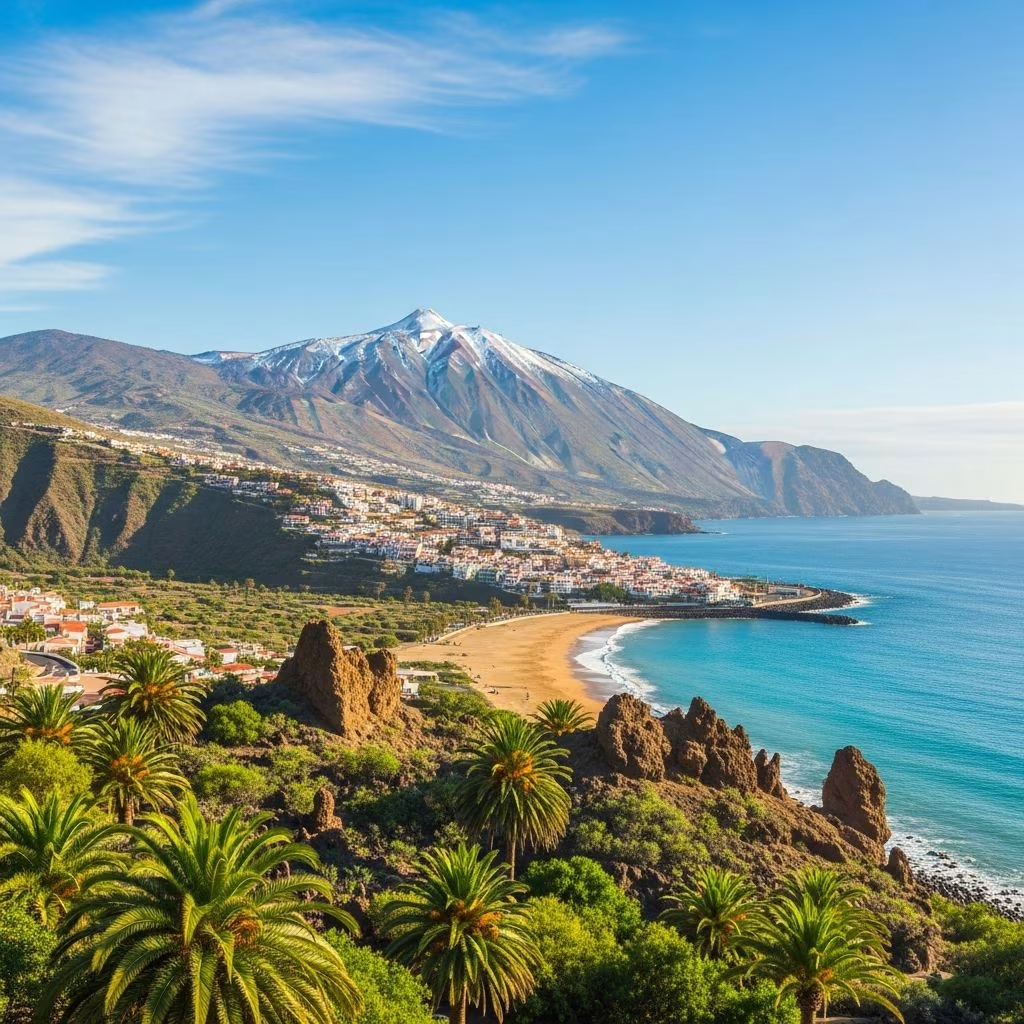
Tenerife, the largest of the Canary Islands, offers year-round appeal with its subtropical climate and diverse landscapes. However, the optimal time to visit depends on your priorities—whether you seek pristine beaches, mountainous adventures, cultural experiences, or budget-friendly accommodations. Understanding the seasonal variations across this volcanic island helps travelers align their visit with their specific interests and travel constraints.
Tenerife’s subtropical climate provides consistent warmth throughout the year, though conditions vary significantly by season and location. The island experiences microclimates due to its mountainous terrain, with the north typically cooler and wetter than the southern regions. This geographical diversity means that the “best” time to visit is not a one-size-fits-all answer but rather depends on which parts of the island you plan to explore and what activities appeal to you most.
The island’s weather patterns follow predictable trends: warmer, drier summers from June through September; mild, occasionally rainy winters from November through February; and pleasant transitional months during spring and fall. Temperature ranges from February lows around 15°C to August peaks exceeding 30°C, while rainfall remains minimal throughout most of the year.
Spring months—March through May—represent an underrated sweet spot for many travelers. During this period, Tenerife awakens with blooming wildflowers adorning mountainous regions, and comfortable temperatures hover between 18°C and 23°C, making outdoor activities genuinely enjoyable rather than exhausting. The landscape transforms into vibrant greens with natural flowers painting valleys and gorges across protected areas.
Advantages of Spring Travel:
This season suits travelers who desire active vacations combining coastal exploration with mountain experiences. The temperate conditions make hiking in areas like Anaga and Parque Nacional del Teide particularly rewarding, while coastal trails remain accessible without excessive heat exposure.
June through August brings Tenerife’s warmest weather and highest visitor volumes. Maximum temperatures exceed 30°C, and the Atlantic Ocean reaches its warmest state with temperatures between 24°C and 26°C. These months represent peak beach season, attracting families during school vacations and sun-seekers pursuing uninterrupted sunshine.
Summer Characteristics:
July and August represent the busiest months, with elevated prices and crowded beaches and attractions. However, the reliability of weather and guaranteed warm ocean temperatures appeal to those prioritizing beach time and swimming over peaceful exploration.
September through November provides what many seasoned travelers consider the optimal balance between favorable conditions and manageable crowds. September maintains summer-like temperatures around 27°C while beginning the crowd dispersal as school seasons restart elsewhere. October and November bring cooler temperatures gradually decreasing to 20-22°C and scattered rainfall, yet accommodation prices drop significantly.
Fall Travel Benefits:
This season particularly attracts experienced travelers and those seeking authentic local experiences without tourist infrastructure crowds. Surfers also benefit from fall swells, with September through April representing optimal surfing conditions.
Winter months—November through March—draw northern European visitors escaping frigid climates. While temperatures are cooler than other seasons, averaging 15-22°C, the climate remains mild and sunny compared to northern European winters. Holiday periods (Christmas, New Year, Easter) experience significant crowd surges and corresponding price increases.
Winter Advantages:
January and February specifically deliver an attractive combination of sunshine, warmth relative to northern climates, and reduced crowds. These months serve well for travelers combining beach relaxation with exploration, as water temperatures around 19°C permit swimming with wetsuit consideration.
Tenerife’s diverse microclimates create distinct seasonal patterns between northern and southern regions. The northern coast, including Puerto de la Cruz, experiences more rainfall and generally cooler temperatures year-round compared to the arid southern beach resorts.
Southern Beaches: Water temperatures suitable for comfortable swimming extend from May through October and occasionally into November. Southern beaches benefit from consistent sunshine and minimal rainfall throughout the year, making this region preferable during winter months when northern areas experience occasional wet weather.
Northern Regions: These areas prove most comfortable for water activities from June through September when ocean temperatures peak and weather patterns stabilize. Northern exploration, including mountainous hiking and scenic drives, suits spring and fall when temperatures remain moderate.
Southern Tenerife permits comfortable swimming from May through October, extending slightly into November with persistence. Northern beaches restrict comfortable swimming largely to June through September due to cooler Atlantic currents and occasional Atlantic storms bringing rough conditions.
Hiking thrives during spring (March-May) and fall (September-November) when temperatures remain moderate and rainfall stays minimal. Summer heat makes daytime mountain exploration uncomfortable, while winter brings occasional snow to Mount Teide and unpredictable weather conditions affecting trail accessibility. Before attempting Mount Teide climbs, confirm snow conditions as winter snow cover sometimes necessitates specialized equipment or prevents safe ascents.
Windsurfing and kitesurfing peak during summer months when consistent winds and warm water combine. Scuba diving suits spring and early fall when visibility remains excellent and water temperatures permit extended underwater exploration. Paragliding conditions improve during spring and fall with predictable thermal activity over volcanic landscapes.
Carnival season (typically February-March) brings vibrant cultural celebrations with elaborate parades, performances, and local traditions. Easter weeks (spring) attract visitors combined with cultural events. Summer months feature numerous music festivals and entertainment activities, particularly in southern resort areas.
| Season | Price Level | Crowd Level | Weather Quality |
|---|---|---|---|
| Spring (Apr-May) | Moderate | Low-Moderate | Excellent |
| Summer (Jun-Aug) | High | Very High | Excellent |
| Fall (Sep-Nov) | Low-Moderate | Low | Good |
| Winter (Dec-Mar) | High* / Low** | High* / Moderate** | Fair-Good |
*December-February (holidays); **January-February (non-holidays)
Budget-conscious travelers discover best value during May, June, and September when prices dip while weather remains favorable. Late spring and early fall provide the optimal balance of affordability and experience quality. Winter outside holiday periods (January-February) offers competitive pricing with mild weather, though reduced nightlife and entertainment compared to summer.
Tourism peaks during Christmas, Easter, and summer school vacations, creating congestion at major attractions and beaches. Spring holidays (Easter) around April trigger temporary crowd increases before subsiding in May. Late spring and September represent genuinely peaceful exploration periods when many beaches and trails feel remarkably uncrowded.
After spring holidays conclude, visitor numbers decline substantially through May and June. September experiences another crowd trough as summer tourists depart and before autumn travelers arrive. October-November sees manageable crowds despite pleasant conditions, making this period ideal for those preferring solitude with good weather.
Q: What’s the absolute best month to visit Tenerife?
A: No single perfect month exists universally. May and September emerge as most versatile, offering warm weather, lower crowds, and reasonable prices. For beaches specifically, July-August deliver guaranteed sunshine despite crowds. For quiet exploration, October-November provide solitude with occasional rain justifying the trade-off.
Q: Is Tenerife visitable year-round?
A: Yes, Tenerife’s subtropical climate permits year-round visits. Winter brings cooler temperatures and occasional rainfall but remains mild compared to northern destinations. No season proves genuinely impossible for travel.
Q: When should I avoid Tenerife?
A: July-August present challenges only for heat-sensitive travelers or those opposing crowds. October experiences higher rainfall but remains manageable. No month proves entirely unvisitable for determined travelers with appropriate planning.
Q: Can I swim in Tenerife during winter?
A: Yes, though water temperatures reach minimums around 19°C in February. Wetsuit-wearing enables comfortable swimming, though many find these temperatures chilly without insulation.
Selecting Tenerife’s optimal visit time requires honest assessment of personal priorities. Beach enthusiasts accept crowds and heat for guaranteed sunshine and warm ocean waters during summer. Adventure seekers balance moderate temperatures with lower prices during shoulder seasons. Budget travelers time visits outside holidays for significant savings. Cultural explorers coincide journeys with festival periods. Ultimately, Tenerife’s year-round appeal means nearly any month works when aligning individual preferences with seasonal characteristics.
Whether seeking relaxation, adventure, cultural immersion, or budget-conscious exploration, Tenerife accommodates diverse travel styles across all seasons. Understanding these patterns empowers informed decision-making for creating genuinely memorable island experiences.
