

 Travel Essentials
 Travel Essentials

Unlock the ideal windows to visit the Cook Islands: from dry-season adventures to rainy-season deals, with tips on weather, events, and island highlights for unforgettable trips.
 Travel Essentials
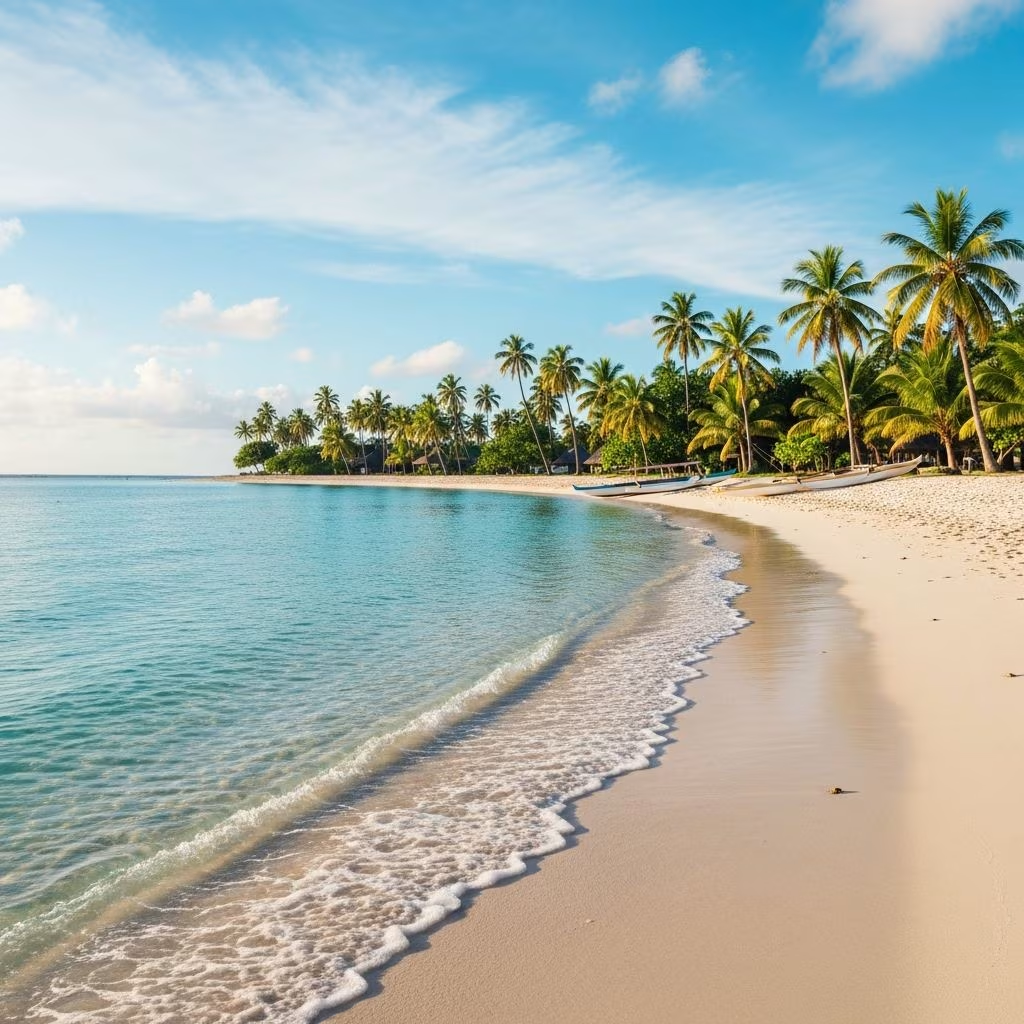
The Cook Islands, a scattered archipelago in the South Pacific, offer year-round appeal with their turquoise lagoons, coral-fringed atolls, and lush volcanic interiors. Timing your visit maximizes enjoyment of activities like snorkeling pristine reefs, hiking rainforest trails, and immersing in Māori culture. While the climate remains tropical throughout, distinct dry and wet seasons shape the experience, influencing crowd levels, costs, and natural spectacles.
Cook Islands enjoy a stable tropical climate divided into two primary seasons. The **dry season**, spanning April to November, delivers consistent sunshine, lower humidity, and minimal rainfall—ideal for outdoor pursuits. Temperatures hover between 23°C and 27°C (73°F-81°F), with gentle trade winds providing natural cooling. This period sees the southern islands like Rarotonga and Aitutaki at their sunniest, with crystal-clear waters perfect for marine exploration.
In contrast, the **wet season** from December to March brings warmer air (up to 31°C or 88°F), higher humidity, and frequent showers, often in short bursts. Rainfall peaks, nurturing lush greenery and occasional cyclones, though modern forecasting minimizes risks. Despite the rain, sunny intervals abound, and this shoulder time offers budget-friendly deals on accommodations and flights. Year-round, water temperatures stay balmy at 25°C-29°C (77°F-84°F), ensuring comfortable swims anytime.
This extended dry window is the sweet spot for most visitors seeking reliable weather. Subtle shifts within it allow tailoring trips to preferences.
May through August represents the zenith of dry conditions, with the lowest rainfall and highest sunshine hours. Days are crisp and invigorating, nights comfortably cool—prime for stargazing over Muri Beach or cross-island treks on Rarotonga. Whale watching ramps up from July, as humpbacks migrate through surrounding waters, offering thrilling boat sightings. Crowds swell with Southern Hemisphere winter escapes, but the infrastructure handles it seamlessly, given the no-high-rise, coconut-tree-height limit law that preserves intimacy.
Bookending the peak, April and September-October blend fine weather with fewer tourists. April post-rainy season sees blooming flora and emptied beaches; September-October delivers calm seas for lagoon cruises around Aitutaki’s 15 motus (islets). These months suit active travelers: cycle Rarotonga’s 32km coastal road, quad-bike interiors, or kayak reefs without peak-season premiums.
November edges into wetter patterns but retains mostly dry days, with early rains greening landscapes. It’s a strategic pick for value, as rates dip before holiday rushes.
Dismiss rainy season misconceptions—it’s not a washout. Warmth intensifies, vegetation explodes in vibrancy, and waterfalls swell for dramatic hikes. Short, afternoon downpours refresh the air, leaving rainbows arching over lagoons. Cyclones are rare (last major in 2005), with alerts from New Zealand’s MetService ensuring safety. Perks include slashed prices (30-50% off resorts), empty beaches, and lush scenery rivaling the Amazon.
Rarotonga buzzes with Christmas-New Year festivities, while Aitutaki’s motus feel exclusively yours for snorkeling amid giant clams and rays. Families and budget explorers thrive here, trading occasional rain for solitude and savings.
Polynesian heritage pulses through annual gatherings, best timed with dry months for comfort.
These events immerse you in 15,000 locals’ welcoming world, where English-Māori blends seamlessly.
Each of the 15 islands shines differently by season. Rarotonga, the hub with its international airport, thrives year-round: dry for jeep safaris to ‘The Needle’ peak, wet for cultural nights. Aitutaki, 50 minutes north, dazzles dry-season lagoon tours to One Foot Island—those powdery sands and postcard blues peak May-October.
| Island | Best Season | Why Visit Then | Key Activity |
|---|---|---|---|
| Rarotonga | April-November | Sunny hikes, whale spotting | Cross-island trek, Black Rock sunset |
| Aitutaki | May-October | Calm lagoons, clear snorkeling | Boat to motus, BBQ lunch |
| Atiu | Year-round (dry preferred) | Cave tours, birdwatching | Coffee farm visits |
| Mangaia | Dry season | Limestone caves, taro fields | Guided fossil hunts |
| Manihiki | June-September | Black pearl diving | Atoll immersion |
Smaller southern isles like Mauke suit dry escapes; northern atolls like Penrhyn favor calm seas.
Avoid peak July-August if crowds deter; opt for April or October. Monitor cyclones via official apps. Pack light layers, reef-safe sunscreen, and insect repellent—wet season mosquitoes peak post-rain. Drive left on Rarotonga’s loop road; rentals start cheap. No ATMs on outer islands—carry NZD cash. Flights from Auckland (3.5 hours) or LA via Air Tahiti Nui fill fast dry season. Sustainability matters: support local via guided tours, avoiding reef-damaging sunscreens.
Absolutely for deals and greenery, but pack rain gear and embrace indoor culture.
December-March, with 40% lodging discounts.
Dry season: calm waters, kid-friendly cruises like Koka Lagoon.
September-October: romantic seclusion post-peak.
June-October, especially around Rarotonga.
Beyond weather, this barefoot paradise—untouched by chains or traffic—delivers authentic Polynesia. From Rarotonga’s markets to Aitutaki’s overwater bungalows, every season unveils magic. Plan around your vibe: adventure in dry, serenity in wet. With small populations and vast oceans, tranquility reigns supreme.
