

 Travel Essentials
 Travel Essentials

Plan your Cotswolds trip with insights into seasonal weather, crowds, and activities across all twelve months to maximize your experience.
 Travel Essentials
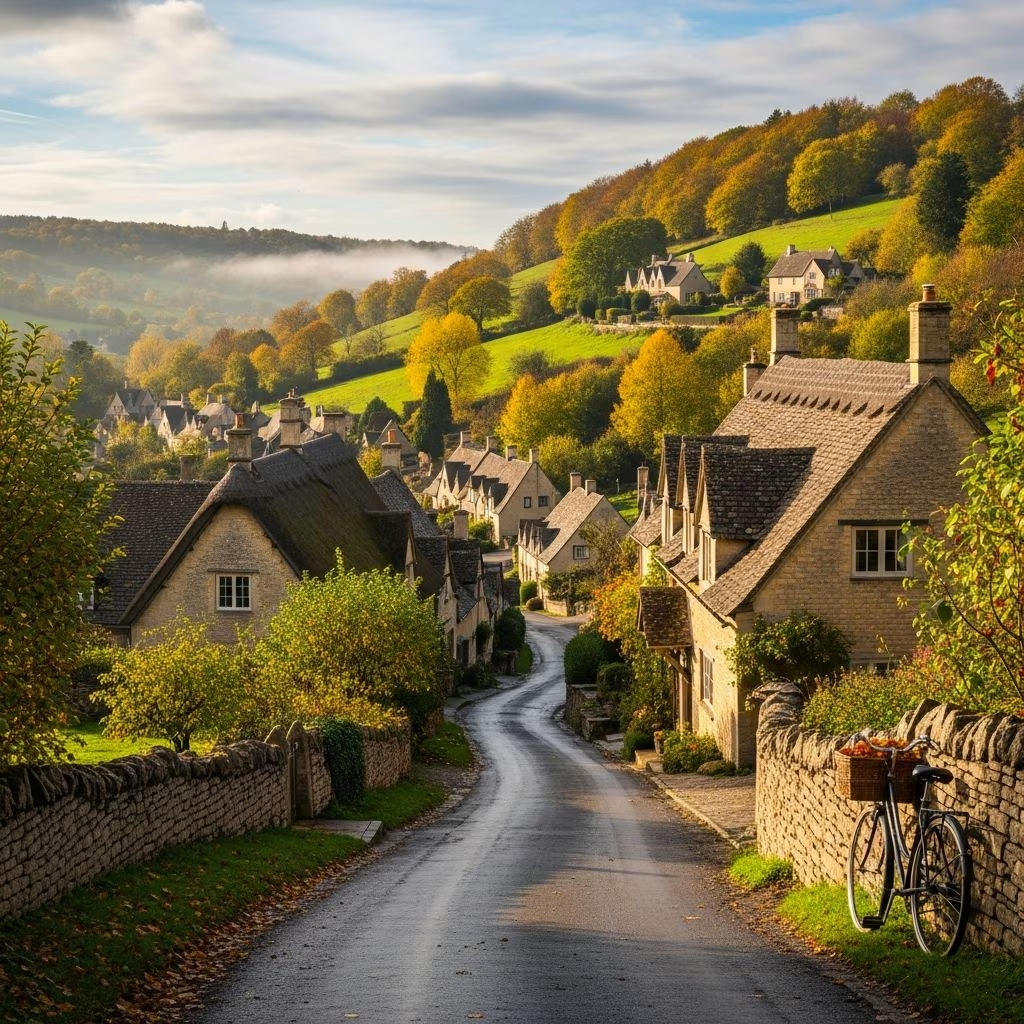
The Cotswolds, with its rolling hills, honey-coloured stone villages, and quintessential English charm, attracts visitors throughout the year. However, the region transforms dramatically with each season, offering distinct experiences depending on when you choose to visit. Understanding these seasonal variations helps travellers make informed decisions about their trips, balancing personal preferences with practical considerations like weather conditions, crowd levels, and accommodation availability.
The winter months in the Cotswolds present a quieter, more contemplative experience compared to the bustling summer season. January temperatures typically hover around 6°C (43°F) during the day, dropping to around 1°C (34°F) at night. Despite the cold, winter offers distinctive advantages for certain travellers. The region experiences considerably fewer tourists, allowing visitors to explore villages like Bourton-on-the-Water and Bibury without navigating crowds. Accommodation becomes more affordable during these months, and local establishments remain less hectic.
The landscape transforms into a different kind of beauty during winter. Crisp, clear days provide ideal conditions for winter walks across the countryside, while the extended darkness creates opportunities for stargazing. The sparse tree coverage reveals architectural details of villages that remain hidden beneath foliage during other seasons. However, potential visitors should prepare adequately for cold weather, layering clothing appropriately and accepting that some attractions may operate on reduced schedules or close temporarily due to weather conditions.
Spring marks a significant transformation in the Cotswolds, as the region emerges from winter dormancy. April conditions see temperatures rising to approximately 13°C (55°F) during daytime hours, with nighttime lows around 3°C (40°F). May continues this warming trend, with average temperatures reaching 15°C (59°F) by day and 6°C (43°F) at night, while typically offering drier conditions than April.
The spring season presents particularly appealing attractions for garden enthusiasts. The Cotswolds’ renowned gardens burst into bloom during these months, with blossom displays creating stunning visual displays across parklands and private estates. Daylight hours extend considerably, providing more time for exploring villages and countryside walks. Additionally, since schools remain in session during May and June, visitor numbers stay substantially lower than during summer school holidays, creating an ideal balance between pleasant weather and manageable crowds.
Visitors planning spring trips should pack versatile clothing suitable for variable conditions. While temperatures improve, occasional rain showers remain common, particularly in April, necessitating waterproof jackets and suitable footwear for muddy pathways.
June represents a transitional period when the Cotswolds offers some of its finest conditions with relatively moderate visitor numbers. The weather becomes increasingly settled compared to spring, with warmer temperatures and extended daylight hours that stretch well into the evening. Gardens reach peak maturity, and outdoor attractions open fully for the season.
This period proves particularly appealing for visitors without school-age children who can travel during term time. The combination of pleasant weather, vibrant countryside, and fewer tourists creates optimal conditions for those prioritizing both experience quality and avoiding overcrowding. Accommodation remains more reasonably priced and availability is greater than during July and August.
July emerges as the sunniest month in the Cotswolds, with average highs of 22°C (72°F) and lows of 13°C (55°F). The long daylight hours provide ample time for outdoor activities, and the weather is generally reliable for extended exploration of the region. Pubs establish outdoor seating areas, gardens reach full bloom, and the landscape displays its most vibrant green tones.
However, summer popularity carries significant drawbacks. School holidays trigger a substantial influx of both domestic and international visitors, transforming charming villages into congested tourist destinations. Popular locations like Bibury experience particularly intense crowding, while parking becomes increasingly scarce and accommodation prices escalate dramatically. Visitors seeking to experience summer conditions should attempt to visit midweek rather than on weekends and arrive early at popular attractions to beat the crowds.
August perpetuates summer conditions with temperatures similar to July—average highs around 21°C (70°F) and lows near 12°C (54°F). However, August occasionally brings thundery downpours, introducing weather unpredictability absent during peak July conditions. The crowds persist throughout August as school holidays continue across the United Kingdom and internationally.
Autumn transitions the Cotswolds into a landscape of warm hues and crisp air, often cited as a favoured season among experienced visitors. September and October typically offer the ideal combination of pleasant weather without the summer crowds. Weather conditions during this period remain notably appealing—autumn consistently features sunny conditions with limited rainfall, and average temperatures range from 18°C (64°F) highs to 10°C (50°F) lows.
The aesthetic appeal of autumn cannot be overstated. Rust-coloured leaves line walking paths, ochre-toned landscapes fill horizons, and the changing vegetation creates abundant photographic opportunities. Natural attractions like Batsford Arboretum, with its extensive tree collection, become particularly spectacular during this season, while hillside walks such as those around Cleeve Common near Cheltenham showcase the season’s colour palette. The weather remains excellent for outdoor activities, particularly the challenging 102-mile Cotswold Way hiking route that traverses from Chipping Campden to Bath.
September and October also coincide with reduced accommodation prices and greater availability compared to summer months, while the region experiences fewer tourists than peak season yet more than winter months. This balance makes autumn an increasingly popular choice among travellers seeking optimal conditions across multiple factors.
November represents a transitional period toward winter conditions, with temperatures beginning their descent. However, this month offers particular advantages for visitors interested in England’s historic properties and stately homes. These cultural attractions tend to experience significantly reduced visitor numbers in November compared to summer months, allowing for more contemplative exploration. Additionally, many of these historic residences feature during their less busy periods, enabling more personal experiences without navigating large tour groups.
| Season | Temperature Range | Crowd Level | Best Activities | Key Considerations |
|---|---|---|---|---|
| Winter | 1-6°C (34-43°F) | Very Low | Winter walks, stargazing | Cold weather, shorter days, some closures |
| Spring | 3-13°C (40-55°F) | Low to Moderate | Garden viewing, walks | Variable weather, occasional rain |
| Early Summer | 10-18°C (50-64°F) | Moderate | Hiking, village exploration | Ideal balance of weather and crowds |
| Peak Summer | 13-22°C (55-72°F) | Very High | Outdoor activities, sightseeing | High prices, crowded attractions |
| Autumn | 10-18°C (50-64°F) | Moderate | Hiking, photography, nature walks | Excellent conditions, pleasant weather |
| Late Autumn | 2-10°C (36-50°F) | Low | Historic site visits | Fewer crowds, colder weather |
Accommodation availability and pricing fluctuate dramatically throughout the year. Summer months require advance booking several months in advance, with prices potentially doubling compared to off-season rates. Conversely, winter and early spring offer greater flexibility and substantially reduced rates, allowing for more spontaneous travel planning and budget-conscious visits.
Regardless of season, visitors should prepare for variable conditions. The United Kingdom’s maritime climate means that weather can change rapidly. Waterproof jackets prove essential year-round, while layering clothing enables comfortable adjustment to temperature fluctuations. Appropriate footwear suitable for potentially muddy pathways ensures comfortable exploration of countryside areas.
Different seasons support varying activities effectively. Summer’s extended daylight accommodates ambitious hiking projects like the full Cotswold Way route. Spring and autumn provide optimal conditions for moderate-length walks without excessive heat or cold. Winter suits contemplative activities like historic property visits and shorter village explorations. Planning activities according to seasonal conditions maximizes enjoyment and safety.
This depends on individual priorities. May or June offer optimal balance between pleasant weather, lower crowds than summer, and garden beauty. However, September and October provide exceptional conditions with warm, dry weather and autumn landscapes, often cited as favourite seasons by experienced visitors. July offers the sunniest conditions but attracts the most tourists.
Yes, winter visits are absolutely feasible and offer distinct advantages including dramatically reduced crowds, lower accommodation costs, and clearer starlit skies. However, visitors must prepare for cold temperatures, shorter daylight hours, and occasional snow, particularly at higher elevations.
Families are typically limited to summer school holiday periods (July and August) or designated UK bank holidays in May. However, this makes summer the busiest season. Some families successfully visit during late May when certain bank holidays occur, experiencing somewhat reduced crowds compared to peak summer.
July typically offers the most reliably sunny conditions, though August can experience thunderstorms. September and October provide consistent pleasant weather without summer’s extreme temperatures or reliability concerns.
Winter months (November through February) typically offer the most affordable accommodation and dining rates. Late autumn and early spring also provide reduced prices compared to peak summer season.
The Cotswolds transforms throughout the year, with each season offering distinct attractions and challenges. While July provides peak sunshine, those avoiding crowds should consider May, June, September, or October instead. Visitors with flexible schedules seeking the optimal experience often gravitate toward late spring or early autumn, when weather conditions support outdoor activities while crowds remain manageable and accommodation remains reasonably priced. Understanding these seasonal dynamics enables travellers to align their visit with personal priorities and preferences, ensuring a memorable Cotswolds experience regardless of chosen timing.
