

 Travel Essentials
 Travel Essentials

Unlock the best periods to visit the Faroe Islands, from summer's endless daylight for adventures to winter's raw beauty and northern lights potential.
 Travel Essentials
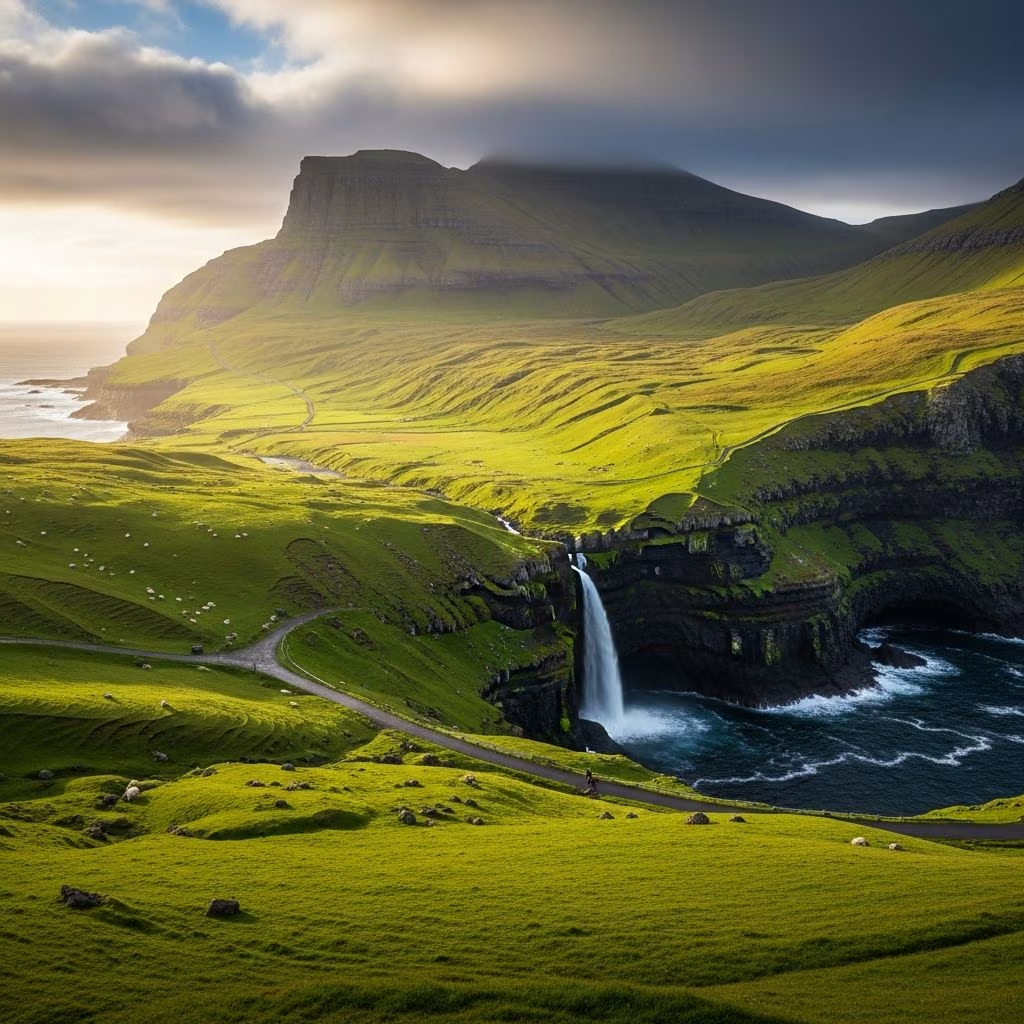
The Faroe Islands, a rugged archipelago in the North Atlantic, captivate travelers with their steep cliffs, lush valleys, and unpredictable weather. Choosing the right time to visit hinges on your priorities—whether it’s endless daylight for hiking, vibrant wildlife, cultural festivals, or serene solitude under the northern lights. Summer offers the most reliable access and activities, while shoulder seasons provide value and atmosphere, and winter delivers raw drama.
These 18 islands experience a maritime climate influenced by the Gulf Stream, resulting in mild temperatures year-round but frequent rain and wind. Daylight varies dramatically: nearly 20 hours in midsummer to just 5 in December. Tourist infrastructure peaks in summer, with ferries, roads, and tours fully operational. Off-season brings closures but fewer visitors and lower costs. Weather can shift rapidly regardless of season, so pack layers and waterproof gear always.
Average temperatures range from 3–6°C (37–43°F) in winter to 10–13°C (50–55°F) in summer. Rainfall is consistent, but summer sees the least. Wildlife cycles also guide timing: seabirds nest May–August, whales possible year-round.
Summer transforms the Faroes into an explorer’s paradise with long days, greener landscapes, and open access to remote areas. June brings up to 20 hours of sunlight, ideal for extended hikes to spots like Sørvágsvatn lake or Vestmanna cliffs. Temperatures average 10–13°C (50–55°F), mild enough for outdoor pursuits despite occasional showers.
July and August host peak wildlife viewing, especially puffins on Mykines Island. Ferries and trails are fully accessible, and festivals like Ólavsøka in late July fill Tórshavn with parades, music, and traditional rowing races—a national holiday drawing locals outdoors.
Expect average highs of 13°C (55°F) and the driest conditions, making it prime for multi-day treks across islands like Streymoy and Vágar.
May signals the islands’ rebirth with emerging flowers, returning seabirds, and crisp air around 7–11°C (45–52°F). Days lengthen rapidly, landscapes green up weekly, and crowds remain minimal. It’s perfect for photography and relaxed pacing before summer rush. Roads and ferries operate reliably, though some remote trails may still have snow patches.
Late August to early September strikes the ultimate balance: green hills, atmospheric light for photos, temperatures 8–12°C (46–54°F), and thinning crowds. Access stays good into early month, with lower rates than July. Autumn hues emerge, and northern lights chances increase late in the season.
Both months offer value accommodations and authentic vibes, with fewer tour groups. September suits photographers capturing misty waterfalls and dramatic skies.
| Month | Avg High (°C/°F) | Daylight (hrs) | Key Attractions |
|---|---|---|---|
| May | 9/48 | 15–18 | Bird returns, early hikes |
| September | 12/54 | 12–15 | Fall colors, aurora hints |
As days shorten to 10 hours by November, autumn brings cooler winds (7–10°C/45–50°F), more rain, and fewer tourists. It’s a haven for landscape photographers chasing stormy seas and golden grasses. Some sites close late September, but core ferries persist. Northern lights viewing improves with darker skies.
Winter unveils the Faroes’ wild soul: snow-capped peaks, crashing waves, and potential auroras. Daylight dips to 5–7 hours, temperatures 3–6°C (37–43°F), with storms limiting access—many roads close, ferries cancel. Ideal for experienced adventurers seeking solitude or aurora hunts from dark-sky spots like northern islands.
January–February sees heaviest snow, transforming hikes into snowy traverses. Whale hunts occur sporadically. Visitor numbers plummet, slashing prices, but flexibility is key due to weather.
Winter Temperatures Table:
| Month | Avg Low (°C/°F) | Avg High (°C/°F) | Daylight (hrs) |
|---|---|---|---|
| December | 2/36 | 6/43 | 5–6 |
| January | 2/36 | 6/43 | 6 |
| February | 1/34 | 6/43 | 8 |
| March | 2/36 | 6/43 | 10–12 |
Time visits around celebrations:
Summer: Light layers, rain jacket, sturdy boots for wet trails.
Shoulders: Windproof fleece, binoculars for birds.
Winter: Thermals, crampons, headlamp for short days.
Always check VisitFaroeIslands.fo for real-time weather and closures.
July offers warmest weather, full access, and events, though busier.
Yes, but stick to marked, low-elevation paths; storms cancel many plans.
No, the Faroes stay uncrowded even in peak; expect peaceful trails.
October–March, with clearest skies post-storm in dark rural areas.
200–300mm monthly; summer driest at ~150mm.
Tailor your trip: families and hikers choose summer; photographers and budget travelers opt for May/September; aurora chasers brave winter. Monitor weather apps like Yr.no. Book ferries early in peak. The Faroes reward preparation with unparalleled natural beauty year-round.
