

 Travel Essentials
 Travel Essentials

Learn the best seasons to visit Grand Canyon National Park, from ideal weather conditions to crowd levels and activity availability throughout the year.
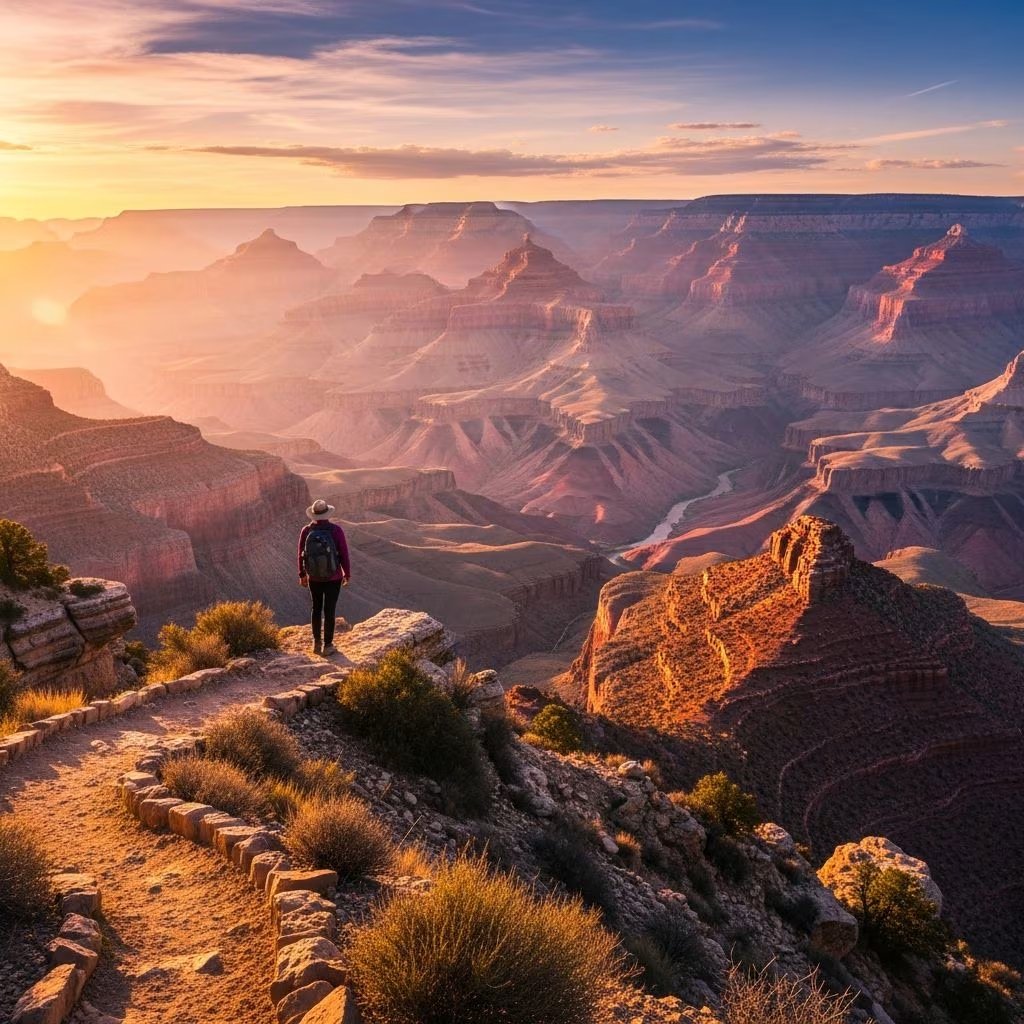 Travel Essentials
The Grand Canyon stands as one of North America’s most iconic natural wonders, drawing millions of visitors annually to witness its breathtaking vistas and geological marvels. However, the question of when to visit remains paramount for travelers seeking to optimize their experience. The answer depends on multiple interconnected variables including personal preferences, activity goals, tolerance for crowds, budget constraints, and weather sensitivity. This comprehensive guide examines each season’s characteristics to help you determine the ideal timing for your Grand Canyon expedition.
The Grand Canyon’s appeal transforms dramatically across the calendar year. Each season presents distinct advantages and trade-offs that directly impact your overall satisfaction. Rather than a one-size-fits-all recommendation, successful planning requires matching seasonal characteristics to your specific priorities. Some visitors prioritize solitude and cost savings, while others prioritize comprehensive park access or specific recreational opportunities. Understanding these seasonal variations empowers you to make informed decisions that align with your travel objectives.
The park’s elevation significantly influences its climate patterns. The South Rim sits at approximately 7,000 feet, while the North Rim reaches 8,000 feet, creating meaningful temperature variations compared to surrounding lowlands. This elevation differential produces cooler conditions during summer months and occasional snow during winter, particularly at higher elevations. Water temperatures in the Colorado River remain remarkably consistent year-round at approximately 50°F, an important consideration for rafting enthusiasts.
September emerges as the single most recommended month for Grand Canyon visitation, based on comprehensive visitor satisfaction data and professional tour operator feedback. This month delivers an exceptional combination of favorable conditions across all key metrics. Daytime temperatures average a comfortable 75°F, making outdoor exploration enjoyable without excessive heat. Visitor numbers drop significantly to approximately 17,200 daily visitors, representing a 33% reduction compared to July’s peak of 25,800 daily visitors. This reduced congestion translates directly into shorter wait times, easier trail access, and more rewarding views at popular overlooks.
May and October follow closely as exceptional alternatives. May marks the emergence of spring wildflower displays that paint the canyon landscape with vibrant colors. The North Rim reopens on May 15th after winter closures, expanding accessible exploration areas. October maintains September’s appeal with daytime highs in the 60s and 70s, though some facilities may begin reducing operational hours in late October as the North Rim prepares for seasonal closure on October 15th.
Spring represents a transitional period offering compelling advantages for many travelers. As winter weather patterns dissipate, daytime temperatures climb from the 50s into the comfortable 60s and 70s. Humidity remains low, and precipitation is relatively sparse, creating ideal conditions for extended hiking sessions. Spring break crowds concentrate in mid-to-late March, so strategically timing your visit for late April or early May allows you to enjoy pleasant weather while avoiding peak family travel periods.
Spring wildflowers create exceptional photographic opportunities and natural beauty. The North Rim’s seasonal reopening on May 15th means that late May visitors gain access to the full spectrum of park experiences. Water runoff from snowmelt creates optimal conditions for Colorado River rafting, with adequate water flow without dangerous flood conditions.
Consider that some North Rim trails may remain inaccessible due to lingering snow in early spring, and park facilities may operate on reduced schedules until Memorial Day weekend. Budget accordingly for potential price increases as summer approaches.
Summer represents peak season, characterized by intense heat, maximum crowds, and universal accessibility. Daytime temperatures regularly exceed 90°F at the South Rim, with some desert areas reaching 100°F or higher. All park facilities, trails, and services operate at full capacity, providing comprehensive access to guided tours, ranger programs, and dining options. The extended daylight—with sunrise around 5:30 AM and sunset near 8:30 PM—maximizes exploration time.
However, summer’s popularity creates significant drawbacks. July witnesses approximately 25,800 daily visitors, making popular viewpoints crowded throughout the day. Accommodation rates peak during this period, with limited availability for spontaneous visitors. Afternoon thunderstorms occur frequently in July and August, occasionally creating dangerous lightning conditions that can interrupt hiking plans. The intense heat poses health risks, requiring substantial water consumption and sun protection measures.
Summer remains the optimal season for North Rim hiking, as cooler temperatures at 8,000-foot elevation create more comfortable conditions than lower elevations experience. The North Rim’s high-elevation trails offer spectacular scenery and relief from valley heat.
Autumn delivers what many consider the perfect balance of favorable conditions. September through early October offers warm but not oppressive daytime temperatures in the 70s, minimal precipitation, and dramatically reduced crowds. The post-Labor Day period marks the transition from peak summer visitation, allowing you to experience full park access without overwhelming congestion.
Early fall colors begin appearing at the North Rim, particularly in September, creating enhanced visual appeal. The lower sun angle characteristic of autumn produces dramatic lighting that accentuates the canyon’s geological layers and creates exceptional photography conditions. Visibility often exceeds 90 miles on clear autumn days, allowing views extending to the Painted Desert and beyond.
October remains favorable through mid-month, though the North Rim closes to general public access on October 15th, limiting certain exploration options. Late October through November sees continued cooling, with occasional temperature drops and the possibility of early snowfall at higher elevations. Thanksgiving week (late November) experiences increased visitation as families coordinate travel around the holiday.
Winter represents the quietest season, attracting budget-conscious travelers and solitude-seekers willing to embrace cooler conditions. Daily visitor counts plummet to approximately 5,800 visitors—77% fewer than summer peaks. Accommodation rates drop 20-25% compared to peak season, providing significant savings for flexible travelers. The North Rim remains closed to general public access, but the South Rim and surrounding facilities operate year-round.
Daytime temperatures at the South Rim typically range from 40-50°F, while nighttime temperatures can drop below freezing. Higher elevations experience more severe cold, and snow occasionally accumulates. These conditions require appropriate clothing layers and modified activity planning. However, clear winter days provide exceptional visibility and the unique experience of experiencing the canyon in its quietest state.
Winter hiking remains feasible for properly equipped visitors, and the absence of crowds enhances the sense of discovery and solitude. Some trails become icy or challenging, requiring modified itineraries and increased caution.
| Activity | Best Months | Why These Months |
|---|---|---|
| Hiking (General) | April-May, September-October | Comfortable temperatures, minimal precipitation, manageable crowds |
| Colorado River Rafting | May, September | Consistent water flow, comfortable air temperatures (70-85°F), optimal water temperature (50°F) |
| North Rim Exploration | June-September | Seasonal road access, cooler high-elevation temperatures, fewer crowds than South Rim |
| Helicopter Tours | September-October, January-February | Stable morning air conditions, dramatic lighting, superior visibility (90+ miles) |
| Photography | September-October, January-February | Low sun angles create dramatic shadows, fall colors, optimal lighting conditions |
| Budget Travel | January-February, July avoided | Lowest accommodation rates, fewest crowds, reduced facility congestion |
Visitor patterns follow predictable seasonal cycles. Summer peaks from June through August represent the absolute busiest periods, with June and July consistently exceeding 20,000 daily visitors. March break activity concentrates in mid-to-late March as families coordinate spring vacation schedules. Thanksgiving week and Christmas holidays bring secondary peaks as holiday travelers coordinate holiday-week travel.
Shoulder seasons—spanning late April through May and September through early October—deliver the most attractive crowd balance. These periods see 40-60% fewer visitors than peak summer while maintaining full park accessibility. Same-day reservations become feasible for popular experiences that require advance booking during summer. Tour operators maintain comprehensive schedules and can often accommodate spontaneous bookings that prove impossible during peak periods.
Understanding typical weather patterns enables appropriate preparation. Spring weather proves variable, with occasional late-season cold snaps or unexpected precipitation. Summer afternoon thunderstorms occur regularly, particularly in July and August, creating flash flood risks in narrow canyon areas. Fall weather remains relatively stable, with consistent temperatures and minimal precipitation. Winter cold becomes intense at night and at higher elevations, occasionally accompanied by snow.
Sunscreen application remains essential year-round due to the high elevation and reflective canyon surfaces. The canyon’s elevation means ultraviolet exposure proves more intense than at sea level, even with cool temperatures. Winter visitors should not underestimate cold weather risks, as temperature drops can be dramatic, particularly after sunset.
The North Rim operates seasonally from May 15th through October 15th, making it inaccessible during late fall, winter, and early spring. This seasonal closure significantly impacts travel planning for visitors specifically interested in North Rim experiences. The South Rim remains open year-round, though some facilities reduce operational hours during quieter periods.
Certain trails close seasonally, particularly those accessing the North Rim or higher elevations where snow creates hazardous conditions. Ranger programs and guided activities operate on seasonal schedules, with reduced offerings during winter months. Restaurant and lodging options within the park follow similar patterns, with some facilities closing seasonally.
Selecting your optimal visit timing requires weighing competing priorities. Create a personal ranking of what matters most: crowd avoidance, budget optimization, specific activity access, weather comfort, or comprehensive facility availability. Visitors prioritizing solitude and cost savings should consider January, February, or early March. Those seeking comfortable weather with minimal crowds should target late April, May, September, or early October. Families requiring summer school vacation alignment have fewer options but can strategically plan around Labor Day for fewer crowds.
Consider visiting during fee-free park entry days scattered throughout the calendar year, which can provide significant savings for entire groups. Check the National Park Service website for current fee-free day schedules.
International travelers should be aware that American holidays create predictable crowd peaks. Spring Break (mid-March through early April), Memorial Day weekend (late May), Independence Day (July 4th week), Labor Day weekend (early September), Thanksgiving (late November), and Christmas/New Year (late December through early January) all draw increased domestic tourism. International travelers without rigid holiday constraints should deliberately avoid these periods for more favorable conditions.
September stands out as the optimal month for most visitors, delivering exceptional conditions across all relevant metrics. May and October follow as strong alternatives. The late April to mid-May window and September through early October periods represent the canyon’s “golden window” for experiencing favorable weather, manageable crowds, and full facility access simultaneously. Budget-conscious travelers find January and February compelling despite cooler temperatures. Summer remains viable for families coordinating school vacation but requires advance planning, early morning activity timing, and preparation for crowds.
Ultimately, the best time to visit reflects your unique priorities and constraints. By understanding each season’s distinct characteristics, you can optimize your Grand Canyon experience regardless of when you schedule your visit.
January and February consistently record the lowest visitor numbers, with daily counts approximately 5,800 visitors compared to July peaks of 25,800. However, September also delivers significantly reduced crowds—approximately 33% fewer visitors than summer—while maintaining much warmer temperatures.
The North Rim closes to general public access October 15th through May 14th annually. Limited winter access exists only for researchers and special permit holders. The North Rim road becomes impassable due to snow during this closure period.
May and September represent the optimal months for multi-day rafting expeditions. Water temperatures remain constant at 50°F year-round, but air temperatures of 70-85°F during these shoulder months create manageable conditions. April through October remains acceptable for rafting, but avoid June through August’s peak heat.
Yes, winter offers exceptional value and solitude for prepared visitors. Daily temperatures range 40-50°F at the South Rim, dropping below freezing at night. The dramatically reduced crowds create an intimate experience, and accommodation rates drop 20-25%. Winter hiking remains feasible for properly equipped visitors.
Summer reservations should be secured 6-12 months in advance as availability becomes extremely limited. Shoulder season travel benefits from 2-3 months advance booking. Winter travel allows more spontaneity, with same-week bookings often feasible during January and February.
