


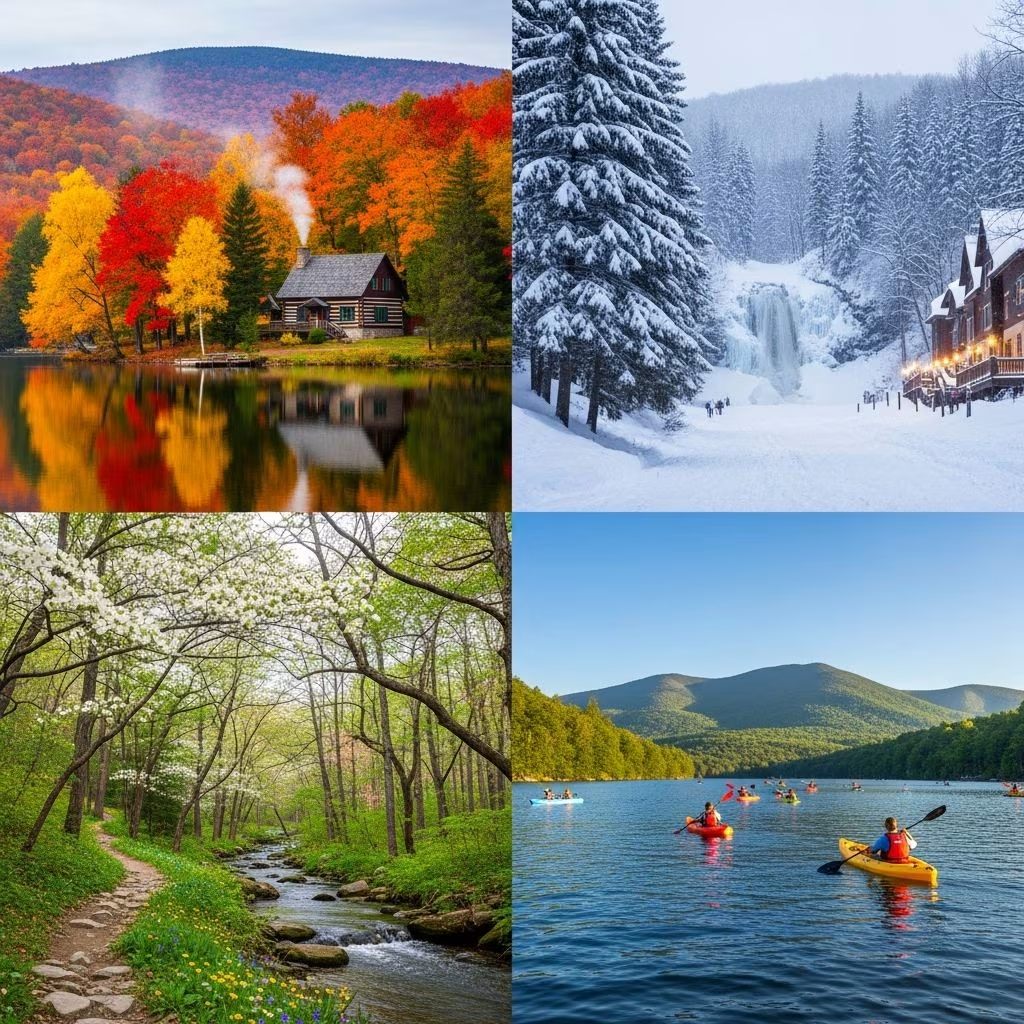
The Pocono Mountains region in Pennsylvania stands as a premier four-season destination, offering distinct experiences throughout the year. Rather than having one universally optimal time to visit, the Poconos excel in providing different attractions and conditions depending on which months travelers choose for their escape. Understanding what each season delivers helps prospective visitors align their trip with personal preferences, whether prioritizing outdoor recreation, scenic beauty, budget considerations, or family-friendly activities.
Summer: The Peak Season for Active Pursuits
From June through August, the Pocono Mountains reach their warmest and most vibrant state. Daytime temperatures typically climb into comfortable ranges, creating ideal conditions for a full spectrum of outdoor adventures. Summer represents the quintessential mountain vacation period when families and active travelers converge on the region to capitalize on long daylight hours and pleasant weather conditions.
The summer months unlock access to numerous recreational opportunities that define the Poconos experience. Hiking trails throughout the mountains become fully accessible, with lush green forests providing both scenic beauty and reliable terrain for all skill levels. Mountain biking enthusiasts find perfectly maintained paths winding through the landscape, while water-based activities flourish during this season. Local lakes and rivers transform into hubs for kayaking, paddleboarding, and swimming, offering refreshing escapes from warm days.
Beyond traditional outdoor activities, summer brings a robust calendar of community events. Carnivals, concerts, and festivals populate the region’s calendar, creating entertainment options beyond natural attractions. Families particularly benefit from the abundance of activities suited to children, from ziplining adventures to boating excursions. However, this peak season popularity comes with trade-offs. Accommodation rates reach their highest levels, crowds can strain popular attractions, and finding availability at preferred venues requires advance planning.
Autumn: Nature’s Transformation and Photographic Paradise
October has emerged as a standout month for Pocono Mountains visitation, earning recognition as THE premier fall destination in the region. As temperatures cool into comfortable ranges and trees begin their dramatic color transformation, the landscape takes on spectacular visual qualities. The combination of brilliant foliage bursting in red, orange, and gold creates an almost surreal natural backdrop that photographers and nature enthusiasts find irresistible.
The autumn season extends beyond October to encompass September through November, each month offering distinct characteristics:
- September: Early fall arrives with warm days gradually cooling toward evening, harvest season begins, and summer crowds diminish noticeably
- October: Peak foliage colors blanket the mountains, daytime temperatures remain comfortably warm while cool evenings facilitate restful sleep, and outdoor events are frequently held
- November: Late fall colors persist into early November, the atmosphere becomes increasingly peaceful with fewer visitors, and a contemplative mountain ambiance settles across the region
Autumn weather proves exceptionally conducive to hiking and outdoor exploration. The crisp air and moderate temperatures make physical exertion comfortable, while stunning scenery transforms every trail into a memorable experience. Beyond hiking, fall activities include apple picking at local orchards, wine tastings, scenic drives through color-transformed landscapes, and visits to pumpkin patches and corn mazes that cater to families.
Fall also coincides with a sweet spot in pricing. November through December transitions into shoulder season rates, offering significantly better value than summer peak prices while maintaining excellent weather compared to winter months.
Winter: Solitude and Snow Sports
Winter transforms the Poconos into a quieter, more contemplative destination suitable for those seeking solitude and specific cold-weather pursuits. The season spans December through March, with each month presenting distinct conditions:
| Month | Temperature Range | Average Snowfall |
|---|---|---|
| December | 25°F to 40°F | ~3 inches |
| January | 17°F to 35°F | ~4 inches |
| February | 20°F to 38°F | ~3 inches |
Winter sports enthusiasts find December through March particularly appealing, as ski resorts and snow-dependent activities operate during these months. The region’s mountains receive consistent snowfall that creates ideal conditions for skiing, snowboarding, and other winter pursuits. For those prioritizing budget considerations, winter months outside the holiday period (excluding December 20-January 2) offer reduced accommodation rates and minimal crowds.
Winter ambiance in the Poconos carries distinct appeal for specific traveler segments. Holiday decorations blanket the region during December, creating a festive atmosphere. Cozy indoor activities—spa treatments, fine dining, fireside relaxation—become increasingly attractive as outdoor temperatures drop, positioning the Poconos as an ideal retreat destination for couples seeking quiet romantic getaways.
Spring: Gentle Awakening and Affordable Exploration
Spring arrives as the most affordable season in the Poconos, with rates reaching their lowest points across the calendar year. As winter’s grip loosens, the landscape gradually awakens with wildflowers blooming, waterfalls roaring with snowmelt, and bird species returning from migration.
Spring weather presents variability depending on specific timing. Early spring (March) still carries cold temperatures ranging from mid-20s to 40°F, making winter clothing essential. However, by May, temperatures warm considerably to the low 50s to 70s range, allowing lighter clothing and more comfortable outdoor exploration. This unpredictability characterizes spring as a season requiring flexible planning and adaptable expectations.
Despite weather inconsistency, spring offers distinctive attractions. Birdwatching opportunities flourish as migratory species return, with common sightings including bald eagles, mourning doves, and great-horned owls. Fishing seasons open during spring months, drawing enthusiasts to mountain streams and lakes. Spring break periods represent excellent family vacation timing, offering smaller crowds compared to summer peak seasons while providing sufficient family-friendly activities.
Spring proves particularly appealing for budget-conscious travelers willing to accept weather unpredictability. Accommodation rates remain substantially lower than other seasons, and the region experiences fewer crowds, making popular attractions more accessible and parking more readily available.
Activity-Based Seasonal Selection
Choosing optimal visit timing depends significantly on specific activity priorities:
- Peak Foliage Viewing: October through mid-November delivers maximum visual impact with vibrant fall colors and comfortable exploration temperatures
- Hiking and Outdoor Adventures: May through September offers the most reliable weather, accessible trails, and extended daylight hours for exploring waterfalls, lakes, and mountain peaks
- Minimizing Crowds: November through March and weekdays year-round provide the quietest experiences with shortest wait times
- Optimal Value Pricing: April through May and November through December deliver the best balance of reasonable rates, manageable crowds, and favorable conditions
- Family Activities: June through August provides the most comprehensive activity lineup and weather reliability for traveling with children
- Winter Sports: December through March enables skiing, snowboarding, and snow-dependent recreation
- Photography: October excels for fall foliage photography, while June through August provides summer landscape and activity opportunities
Pricing Dynamics Across Seasons
Understanding accommodation rate patterns helps strategize budget-conscious travel. Summer months command premium pricing due to peak demand. Winter holiday periods (December 20-January 2) similarly increase rates as families pursue holiday vacation plans. Shoulder seasons offer significant savings: April through May and November through December deliver reduced rates while maintaining reasonable weather conditions, appealing to price-sensitive travelers willing to avoid extreme seasons.
Frequently Asked Questions
What is the absolute best time to visit the Poconos?
No single “best” time exists universally. October offers peak foliage and comfortable weather. Summer provides the most comprehensive activity options. Shoulder seasons (April-May, November-December) deliver superior value. Your ideal timing depends on personal priorities regarding weather, activities, crowds, and budget.
Is spring a good time to visit?
Spring works well for budget-conscious travelers accepting weather unpredictability. Rates are lowest during this season, and some activities like fishing open during spring months. However, weather inconsistency can limit outdoor planning compared to other seasons.
Which season has the fewest crowds?
November through March experiences substantially reduced visitor volumes, particularly weekdays during these months. This quietness appeals to travelers prioritizing solitude and minimal wait times at attractions.
Can families visit during winter?
Yes, though winter requires different expectations than summer. Holiday periods (especially December) offer festive atmospheres and family activities. Indoor attractions and spa facilities compensate for limited outdoor options. Winter sports provide family activities if children enjoy skiing or snowboarding.
When should I visit for photography?
October excels for fall foliage photography with vibrant colors and excellent lighting. June through August provides summer landscape and activity photography opportunities. Spring offers wildlife and flowering plant photography possibilities, though weather unpredictability can complicate planning.
Planning Considerations
Beyond seasonal factors, successful Pocono visits require attention to practical planning elements. Accommodation availability varies dramatically by season and specific dates, with summer weekends particularly competitive. Booking advance reservations becomes increasingly critical during peak periods. Weather-appropriate clothing packing assumes greater importance during transitional seasons when conditions fluctuate.
Transportation considerations shift seasonally as well. Winter travel requires vehicles equipped for potential snow conditions or willingness to use alternative transportation. Summer road conditions support standard travel requirements, though traffic volumes increase significantly during peak weekends.
The Pocono Mountains genuinely offer year-round appeal, with each season providing distinct advantages and suitable for different traveler types and priorities. Whether seeking outdoor adventures, scenic beauty, budget-friendly options, or winter sports, the region accommodates diverse preferences across the calendar. Matching personal priorities with seasonal characteristics enables visitors to craft their optimal Pocono Mountains experience.
References
- Best Time to Visit Poconos [Updated January 2026] — AvantStay. January 2026. https://avantstay.com/blog/best-time-to-visit-the-poconos/
- Best Times to Visit the Poconos — Pocono Mountain Rentals. https://www.poconomountainrentals.com/area-guide/poconos-travel-information/best-times-to-visit-the-poconos/
- The Poconos Are Always in Season | Year-Round Escapes — The Frenchman Manor. https://www.thefrenchmanor.com/blog/best-time-to-visit-the-poconos
- October, Best Month for Visiting the Pocono Mountains — Quiet Valley. https://quietvalley.org/october-best-month-for-visiting-the-pocono-mountains/
- Best Time to Visit Poconos — Woodloch: A Legacy Resort Collection. https://www.woodloch.com/blog/activities/best-time-to-visit-poconos/

