

 Travel Essentials
 Travel Essentials

Unlock Tunisia's best travel windows: spring and fall for mild weather, summer for beaches, winter for deserts. Avoid peak heat and plan around seasons.
 Travel Essentials
Tunisia offers a diverse range of experiences, from sun-drenched Mediterranean beaches to vast Sahara dunes and ancient Roman ruins. Selecting the right time to visit depends on your interests, tolerance for heat, and desired crowd levels. Generally, spring (March to May) and autumn (September to November) provide the most comfortable conditions for sightseeing across the country, with mild temperatures averaging 16-25°C and reduced tourist numbers.
Tunisia spans multiple climate types due to its geography. The northern coast features a Mediterranean climate with wet winters and hot summers, while the central and southern regions transition to arid steppe and full desert conditions. Northern areas like Tunis and Carthage see average annual rainfall of 400-500mm, mostly from October to March, whereas southern oases like Tozeur experience under 100mm yearly, remaining dry and warm throughout.
This diversity means no single “best” time fits all travelers. Beach enthusiasts thrive in summer coastal heat, history buffs prefer shoulder seasons for comfortable ruin explorations, and desert adventurers favor winter’s cooler days. Rainfall patterns also vary: northern winters bring occasional showers, but summers are bone-dry everywhere.
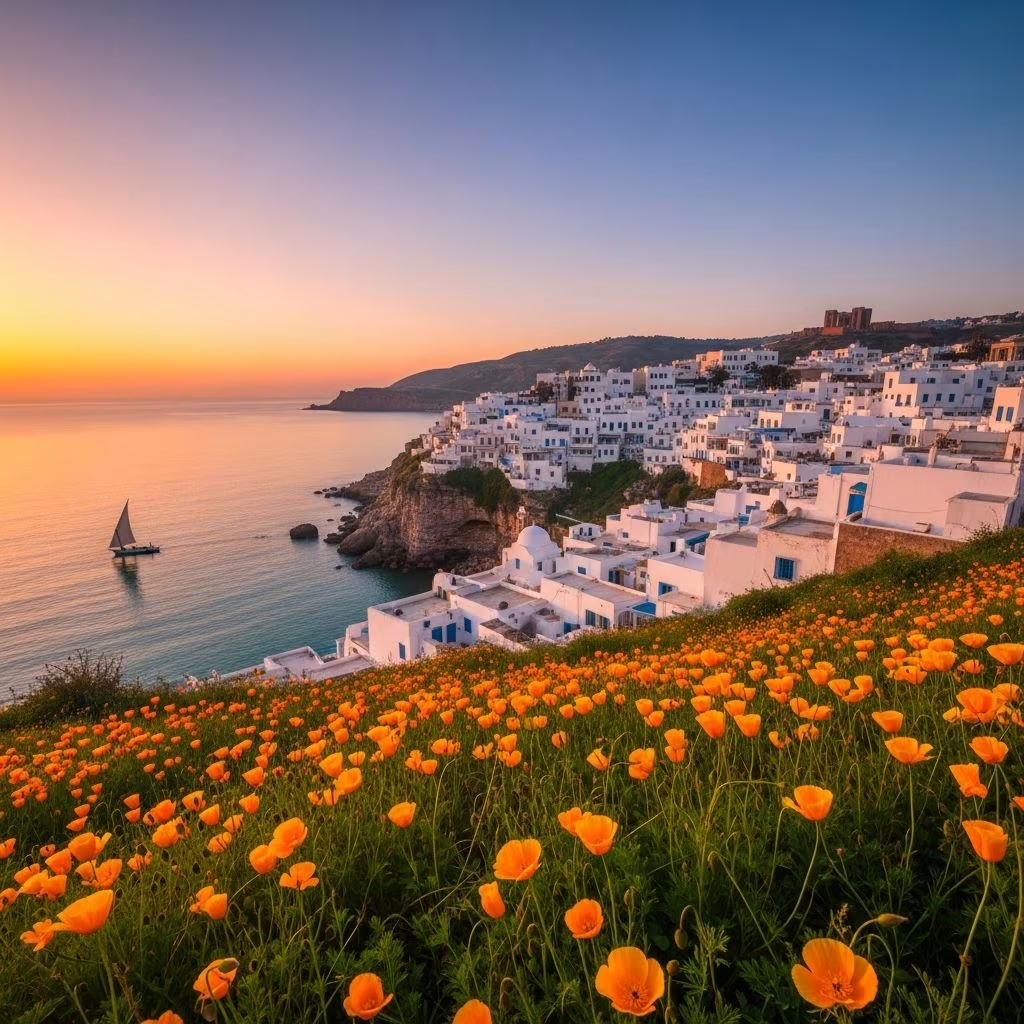
Spring transforms Tunisia into a vibrant destination with blooming wildflowers, lengthening days up to 13 hours, and daytime highs of 16-22°C. Lows hover around 8-13°C, making mornings crisp but afternoons perfect for outdoor pursuits. Rainfall tapers off, averaging 22-40mm monthly, ensuring mostly clear skies.
This season suits families and first-timers, as milder weather keeps energy levels high for kids during long site visits. Crowds are low, accommodations 20-30% cheaper than peak summer, and flights more affordable. April stands out as a sweet spot, balancing warmth and accessibility.
Summer delivers relentless sunshine and heat, with coastal highs exceeding 30°C and southern interiors hitting 35-40°C. July and August mark peak season, drawing European sun-seekers to resorts. Sea temperatures reach 25°C, ideal for swimming, but low humidity keeps coastal areas tolerable.
| Region | Avg High (°C) | Best For | Avoid If |
|---|---|---|---|
| North Coast (Hammamet, Sousse) | 32-35 | Beaches, water sports | Heat-sensitive travelers |
| Djerba Island | 33-36 | All-inclusive resorts | Inland hikes |
| South Desert (Tozeur, Douz) | 38-42 | Short oasis visits | Extended outdoor activity |
Stick to the coast for luxury stays in Hammamet or Djerba, where air-conditioned pools and sea breezes mitigate heat. Inland, limit excursions to mornings or evenings; operators scale back Sahara tours due to extreme conditions. Prices surge 50%+, and beaches pack with families on school holidays. Pack sunscreen, hats, and hydration essentials.
As summer fades, temperatures drop to 20-28°C daytime highs, with sea still warm for swimming into October. Rainfall picks up slightly in November (around 50mm), but days remain sunny. This shoulder season offers value: fewer crowds, festival vibes, and nationwide accessibility.
September shines for balanced warmth without August crowds, ideal for multi-region itineraries. November cools to 18-22°C, suiting urban explorations in Sousse or Kairouan medinas. Budget travelers benefit from off-peak rates.
Winter brings northern mildness (10-18°C highs) and southern warmth (20-25°C days), with January lows dipping to 8°C. Nights chill everywhere, demanding layers, but short daylight (10 hours) means compact touring days. Rainfall peaks at 55mm monthly in the north, yet southern deserts stay dry.
Prime for Sahara: Jebil National Park or Douz camps feel invigorating without summer scorch. Northern cities like Tunis offer cozy souk wanders and museum deep-dives. Very low season means rock-bottom prices and solitude at sites like Sbeitla ruins.
| Month | North High/Low (°C) | South High/Low (°C) | Crowds | Top Activity |
|---|---|---|---|---|
| March | 18/9 | 24/12 | Low | Ruins & hikes |
| April | 22/13 | 28/16 | Low-Medium | Cultural tours |
| May | 25/16 | 32/20 | Low | Outdoor exploration |
| June | 29/20 | 36/24 | Medium | Beach start |
| July | 32/23 | 39/27 | High | Coastal resorts |
| August | 33/24 | 40/28 | Peak | Peak beaches |
| September | 29/21 | 36/24 | Medium | Desert & coast |
| October | 25/17 | 30/19 | Low | Country-wide |
| November | 20/12 | 25/14 | Very Low | Cities & oases |
| December | 16/9 | 22/11 | Very Low | Desert camps |
| January | 15/8 | 21/10 | Very Low | Sahara treks |
| February | 16/8 | 22/11 | Low | Northern sites |
Tourist peaks align with European holidays; avoid Ramadan for adjusted hours if possible.
Beach Lovers: June-September for water temps; book Djerba early in August.
History Seekers: April-June or October for comfortable walks at Dougga, El Jem.
Desert Explorers: November-March; layer for cold nights in Douz.
Families: March-May or October for kid-friendly paces.
Budget Travelers: January-February for 40% savings.
April to June or September to October offer pleasant weather (20-28°C), fewer crowds, and full activity access across regions.
Coastal areas are manageable, but inland and south exceed 35°C; prioritize beaches and AC.
Yes, days are mild (20-25°C), perfect for tours; nights drop to 5-10°C, so pack warmly.
November to March, outside European school breaks.
Northern showers are brief; south remains dry. Indoor sites abound.
Spring/autumn: Mild temps prevent fatigue, more flexible scheduling.
