

 Travel Essentials
 Travel Essentials

Unlock the perfect windows to visit Uzbekistan's Silk Road gems, balancing mild weather, vibrant festivals, and fewer crowds for an authentic Central Asian journey.
 Travel Essentials
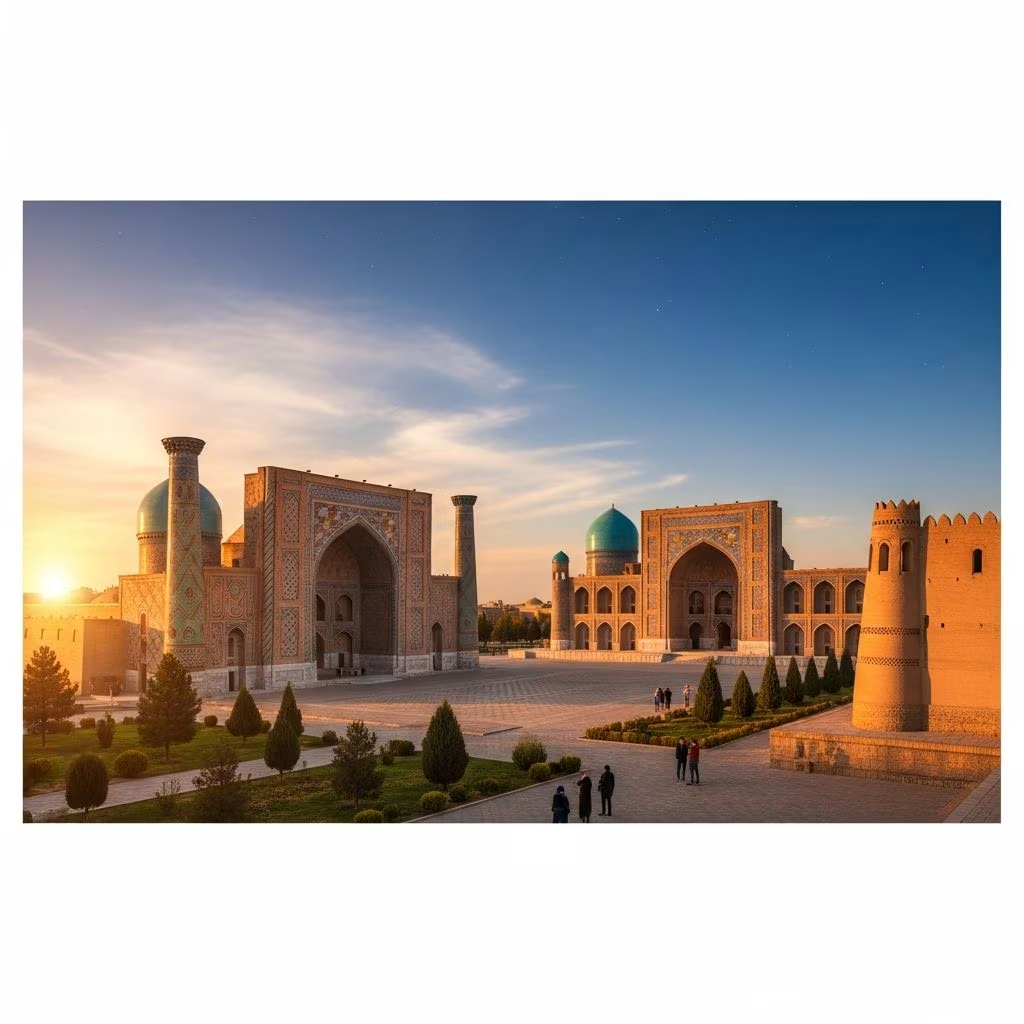
Uzbekistan, a gem of Central Asia, captivates with its ancient Silk Road cities, vast deserts, and towering mountains. Choosing the right time to visit hinges on weather patterns, crowd levels, and seasonal highlights. The prime periods fall in spring (March to June) and autumn (September to November), offering comfortable temperatures between 15°C and 30°C, perfect for touring historic sites like Samarkand’s Registan Square or Bukhara’s labyrinthine medina.
This landlocked nation experiences a continental climate marked by stark seasonal shifts. Summers blaze with heat exceeding 40°C in desert regions, while winters plunge below freezing, especially in higher elevations. Spring and fall provide the sweet spot, with low humidity, clear skies, and blooming landscapes or bountiful harvests enhancing every journey.
Spring transforms Uzbekistan into a vibrant tapestry of green valleys and flowering orchards. Temperatures climb from 14°C in March to around 30°C by June, ideal for extensive sightseeing without oppressive heat.
March brings the Navruz festival around March 21, celebrating the Persian New Year with colorful street parades, traditional music, crafts fairs, and feasts of sumalak—a slow-cooked wheat pudding. Cities buzz with locals in festive attire, making it a cultural immersion peak. Book trains and hotels early, as demand surges.
April and May see apricot blossoms carpet the countryside, drawing photographers to the Fergana Valley. Days are sunny and dry, perfect for hiking in the Chimgan Mountains or yurt stays in the Kyzylkum Desert. Crowds build in popular spots, but the energy is infectious.
| Month | Avg. High (°C) | Key Activities | Crowd Level |
|---|---|---|---|
| March | 14-20 | Navruz festivities, early blooms | Medium-High |
| April | 20-25 | Orchard tours, city explorations | High |
| May | 25-30 | Desert camps, mountain treks | High |
| June | 28-35 | Pre-summer sightseeing | Medium |
By late spring, markets overflow with fresh herbs and fruits, complementing plov and shashlik at roadside eateries. This season suits families and first-timers seeking photogenic landscapes and mild hikes.
Autumn mirrors spring’s appeal but with golden hues and harvest abundance. Daytime highs of 21°C to 30°C persist into early November, cooling evenings invite cozy teahouses.
September eases from summer’s grip, with bazaars brimming with melons, pomegranates, quinces, and grapes. Tashkent’s Chorsu Bazaar becomes a sensory delight, where vendors proudly slice juicy watermelons. Fewer tourists mean intimate experiences in Khiva’s Itchan Kala fortress.
October is often hailed as prime, blending warmth for outdoor pursuits like camel treks or silk weaving workshops with crisp air for comfortable walking tours. November offers bargains on accommodations but watch for early frosts outside cities.
July and August demand resilience, with thermometers hitting 40°C+ in Samarkand and Bukhara. Mornings and evenings suit monument visits; afternoons call for air-conditioned museums or hammams.
Despite the heat, nightlife thrives—terrace dining, ice cream stalls, and clubs pulse in Tashkent. Desert adventures shift to nights under starry skies. It’s low season, slashing costs by 30-50%, appealing to heat-tolerant budget travelers.
Pros include empty attractions for contemplative photography and vibrant evening markets. Cons: Limited rural access due to parched landscapes and intense sun.
Winter paints Uzbekistan in snowy whites, with sub-zero nights but sunny days around 5-10°C in lowlands. Skiing at Chimgan or Beldersay resorts draws adventure seekers from December to January.
Heritage sites like Shahrisabz gleam under frost, offering uncrowded reverence. Indoor pursuits—tea ceremonies, cooking classes—warm the soul. Karakalpakstan’s Aral Sea region reveals poignant environmental stories in solitude.
| Season | Pros | Cons | Best For |
|---|---|---|---|
| Spring | Mild weather, festivals | Higher prices, crowds | Cultural immersion |
| Autumn | Harvest bounty, value | Cooling evenings | Foodies, photographers |
| Summer | Low costs, nightlife | Extreme heat | Budget nightlife lovers |
| Winter | Snow sports, quiet sites | Cold snaps, short days | Skiers, solitude seekers |
Tashkent enjoys milder swings, great year-round. Silk Road trio (Samarkand, Bukhara, Khiva) scorches in summer, freezes in winter—target shoulder seasons. Fergana Valley blooms spectacularly in spring; Nuratau’s mountains beckon fall hikers.
For desert overnights, spring/autumn prevent sweltering tents. High-altitude Chimgan shines winter for snow, summer for wildflowers.
Sync visits with events: Navruz (March) for renewal vibes; Tashkent International Jazz Festival (autumn); Sharq Taronalari (summer music extravaganza despite heat).
Harvest festivals in October fill calendars with folk dances and grape-stomping in Margilan.
October offers balanced weather, harvests, and moderate crowds for exploring all highlights.
Yes, focusing on early mornings, evenings, and indoor activities; ideal for deals.
Excellent for empty sites and photography, but layer up and stick to lowlands if cold-sensitive.
It boosts vibrancy but spikes bookings—reserve ahead for trains to Bukhara/Samarkand.
Yes, deserts hotter; mountains cooler with more snow—plan accordingly.
