

 Travel Essentials
 Travel Essentials

Learn the best times to visit Vail based on weather, activities, and crowds. Compare seasons from winter skiing to summer hiking and fall foliage.
 Travel Essentials
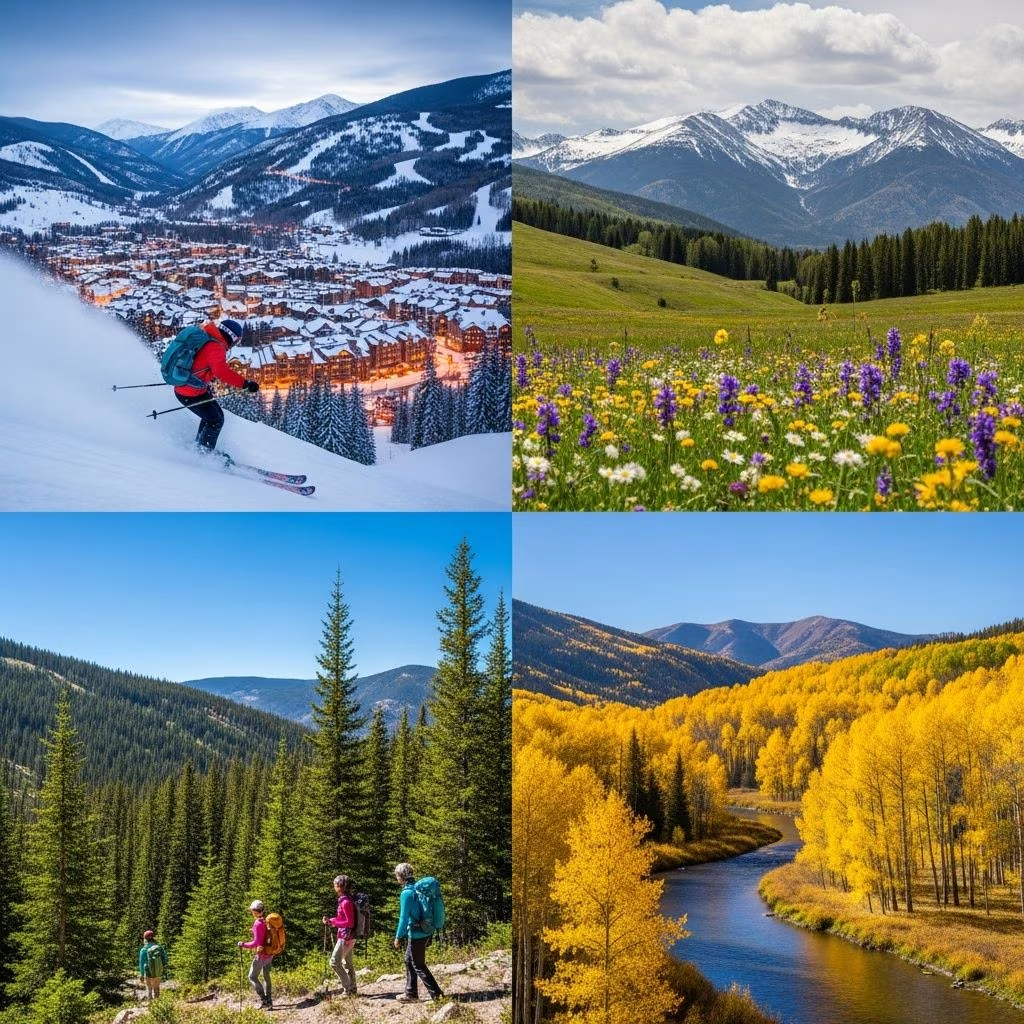
Vail, Colorado stands as one of North America’s premier mountain destinations, offering distinct experiences across all four seasons. Rather than a destination confined to a single time of year, Vail presents visitors with compelling reasons to return throughout the calendar. Whether you prioritize snow sports, outdoor recreation, scenic beauty, or financial considerations, understanding how Vail transforms seasonally helps you craft the perfect mountain getaway tailored to your interests and preferences.
The resort spans over 5,300 acres of terrain and serves as a comprehensive mountain playground that adapts to seasonal changes. This versatility means that the question of when to visit isn’t about finding the only good time—it’s about matching your travel goals with what each season uniquely offers. The mountain experiences dramatic transformations throughout the year, from snow-blanketed slopes in winter to vibrant wildflower meadows in summer, golden aspen forests in autumn, and the quieter charm of spring transition periods.
Winter dominates Vail’s calendar as the most bustling and energetic season. From December through March, the resort transforms into a snow enthusiast’s dream with reliable snow accumulation and consistent cold temperatures that preserve powder and groomed runs. The winter season encompasses several distinct phases, each with unique characteristics for visitors planning a ski or snowboard trip.
December marks the beginning of winter season, though this month brings the most crowded conditions as holiday vacationers descend on the mountain. Average temperatures range from 8°F to 35°F, with approximately 25 inches of snow typically falling during the month. Despite the crowds, the festive atmosphere, holiday events, and reliable terrain openings make December attractive for families and those seeking celebratory mountain experiences. Vail historically achieves an 83% terrain opening ratio by December 25th, with only 15% of seasons experiencing less than 50% terrain open by the holidays.
January and February represent the sweet spot for serious skiers seeking optimal conditions without holiday-season congestion. January averages 3°F to 32°F with approximately 30 inches of snowfall, while February ranges from 7°F to 37°F with about 28 inches of accumulation. These months benefit from deeper snowpack consolidation and fewer casual visitors, creating better skiing conditions and more manageable trail access. Mid-January through mid-February represents the absolute best window for overall snow quality, with consistent coverage across terrain and minimal weather volatility.
Weekday visits prove significantly advantageous during winter months, as weekend crowds intensify considerably. Skiers and snowboarders should prioritize Tuesday through Thursday visits whenever possible, as these days maintain shorter lift lines and less-crowded terrain compared to Saturday and Sunday when significant crowds accumulate.
March brings warmer temperatures ranging from 15°F to 45°F, yet maintains approximately 25 inches of snowfall. Despite these warmer conditions, March often delivers exceptional skiing with spring snow that consolidates into stable coverage. The extended daylight hours create an appealing experience, with longer afternoons allowing more time on the mountain. The week immediately following spring break tends to be slightly less crowded, though March still attracts significant traffic as skiers attempt to maximize their end-of-season runs.
April and May represent Vail’s shoulder seasons—periods of transition between winter sports focus and summer activity emphasis. April temperatures range from 25°F to 55°F with declining snowfall of approximately 15 inches, signaling the shift toward spring conditions. Late-season skiing remains possible in early April when snow persists at higher elevations, though coverage becomes increasingly variable.
This shoulder season offers tremendous value advantages, with accommodation rates dropping substantially compared to winter peak pricing. Fewer visitors crowd the mountain, creating more relaxed experiences on remaining ski runs and creating quieter, more accessible trails. By late May, lower-elevation hiking trails become navigable as snow melts, and wildflower emergence begins transforming alpine meadows. The spring transition period suits budget-conscious travelers and those seeking solitude without sacrificing access to mountain activities.
Summer represents Vail’s second-busiest season, transforming the mountain into an outdoor recreation playground that appeals to hikers, cyclists, families, and adventure seekers. June through August brings daytime temperatures in the mid-70s to mid-80s Fahrenheit, with notably low humidity and mild conditions ideal for extended outdoor time.
June marks the beginning of summer season with warming temperatures and increasing sunshine. Many high-alpine trails become accessible as spring snowmelt progresses, though some upper-elevation routes may still retain snow patches. The summer season officially transitions Vail’s primary focus from winter sports to warm-weather activities, with hiking, mountain biking, and scenic experiences becoming paramount.
July and August represent the most vibrant summer months, with robust weather patterns and maximum trail accessibility. Wildflowers typically begin blooming by early July, creating spectacular displays throughout alpine meadows and particularly in destinations like the Betty Ford Alpine Gardens. Gore Creek swells with snowmelt runoff, creating excellent conditions for whitewater rafting and fly fishing. Early August provides optimal conditions for mountaineers targeting “13ers”—peaks exceeding 13,000 feet—when high-alpine snow and ice have sufficiently melted to allow safe summiting.
Summer accommodations command elevated nightly rates, particularly on weekends, with hotels booking rapidly during peak season. Despite these higher prices, summer still costs less than winter peak season rates. The warm weather enables diverse activities including backpacking adventures, llama trekking expeditions, cycling excursions over Vail Pass via dedicated bike paths, and scenic gondola rides offering panoramic mountain vistas.
September through November encompasses Vail’s autumn season—a relatively brief but exceptionally beautiful period characterized by falling leaves, comfortable temperatures, and dramatically reduced crowds. This shoulder season combines practical advantages with aesthetic rewards that make it increasingly popular among photographers and nature enthusiasts.
September typically delivers some of the year’s most pleasant weather, with temperatures ranging from 35°F to 70°F and minimal precipitation. The month provides ideal conditions for hiking and outdoor pursuits before higher-elevation snow arrives. Early September trails remain accessible and well-maintained, though increasing crowds appear as fall foliage peaks around mid-to-late September.
Mid-to-late September through October marks the period when aspen trees transform into brilliant golden-yellow displays, creating landscape photography opportunities unmatched by other destinations. The timing varies year to year depending on temperature patterns, but typically reaches peak color during this window. Weekend visitor surges occur during foliage season, particularly on Saturdays and Sundays when leaf-peepers drive hotel rates upward. Weekday visits during this period offer significantly lower prices and more solitude while maintaining access to the spectacular scenery.
October temperatures cool from 25°F to 60°F, while November begins dropping to 15°F to 45°F ranges with increasing snowfall of approximately 8 inches. By late October and November, many summer attractions close for seasonal maintenance and employee breaks before winter reopenings. However, this period suits visitors seeking authentic mountain experiences without commercial hustle, combined with attractive lodging rates and restaurant availability.
| Season | Temperature Range | Primary Activities | Crowd Level | Typical Price Level | Best For |
|---|---|---|---|---|---|
| Winter (Dec-Mar) | 3°F to 45°F | Skiing, snowboarding | Very High | $$$ | Snow sports enthusiasts |
| Spring (Apr-May) | 25°F to 55°F | Late skiing, hiking | Low | $ | Budget travelers |
| Summer (Jun-Aug) | Mid-70s to mid-80s | Hiking, biking, festivals | High | $$ | Families, outdoor adventurers |
| Fall (Sep-Nov) | 15°F to 70°F | Foliage viewing, hiking | Low-Medium | $ | Photographers, nature lovers |
Winter sports enthusiasts should prioritize January through early March, with January-February representing the absolute peak window for snow quality and skiing conditions. The mid-January to mid-February window offers the most consistent snow coverage and optimal terrain conditions. Spring breakers affect March crowds, so the first week of March provides superior conditions to later March dates. Weekday visits dramatically enhance the experience compared to weekends.
Travelers prioritizing accommodation affordability should target May and September through November. These shoulder seasons offer substantially reduced nightly rates, fewer crowds, and maintained access to primary activities. May suits those interested in late-season skiing combined with emerging summer activities, while fall provides spectacular scenery at fraction-of-peak pricing.
Hikers, mountain bikers, and outdoor adventurers benefit most from June through August when weather permits maximum trail accessibility and activity diversity. Early August particularly suits mountaineers targeting high-alpine peaks. However, September offers comparable conditions with fewer crowds and reduced accommodation costs, making it an excellent alternative for those flexible on timing.
Fall foliage peaks from mid-September through October, creating unparalleled photography opportunities. Weekday visits during this period maximize image opportunities while minimizing crowds and expenses. February and March also appeal to photographers seeking snow-laden landscapes and winter mountain aesthetics.
This depends entirely on your priorities. For skiing, January or February offers optimal conditions. For summer recreation, July or August delivers maximum trail accessibility and warm weather. For fall colors with solitude, early October balances spectacular scenery with lower crowds.
Absolutely. Summer transforms Vail into a premier hiking and outdoor adventure destination, while fall delivers unmatched aspen foliage and comfortable weather. Many locals and experienced visitors prefer non-winter seasons for their reduced crowds and specific seasonal attractions.
Accommodation rates in shoulder seasons (May, September-November) typically cost 50-75% less than peak winter season pricing. Spring and fall also offer fewer crowds, allowing more enjoyable experiences without premium pricing.
Popular activities like mountain biking and hiking generally don’t require advance reservations, but guided experiences and specialized excursions should be booked ahead. Summer lodging absolutely requires advance booking due to high demand.
Winter ski season typically runs December through early April. Summer operations vary by facility; many open independently starting June. Fall closures occur progressively through November as venues prepare for winter. Always verify specific hours for attractions you plan to visit.
Selecting when to visit Vail ultimately depends on personal preferences, schedule flexibility, and specific activities. The mountain genuinely offers compelling experiences across all seasons, each presenting distinct advantages and characteristics. Winter appeals to snow sports enthusiasts willing to navigate crowds and premium pricing. Spring suits budget travelers appreciating transition conditions. Summer draws families and outdoor adventurers seeking diverse recreational opportunities. Fall captivates photographers and nature lovers seeking beauty and serenity. By matching your travel priorities with Vail’s seasonal character, you’ll create memorable mountain experiences regardless of when you visit.
