

 Travel Essentials
 Travel Essentials

Vancouver offers year-round appeal with peak summer vibes, shoulder season savings, and winter charm. Learn the best periods for weather, activities, budgets, and events.
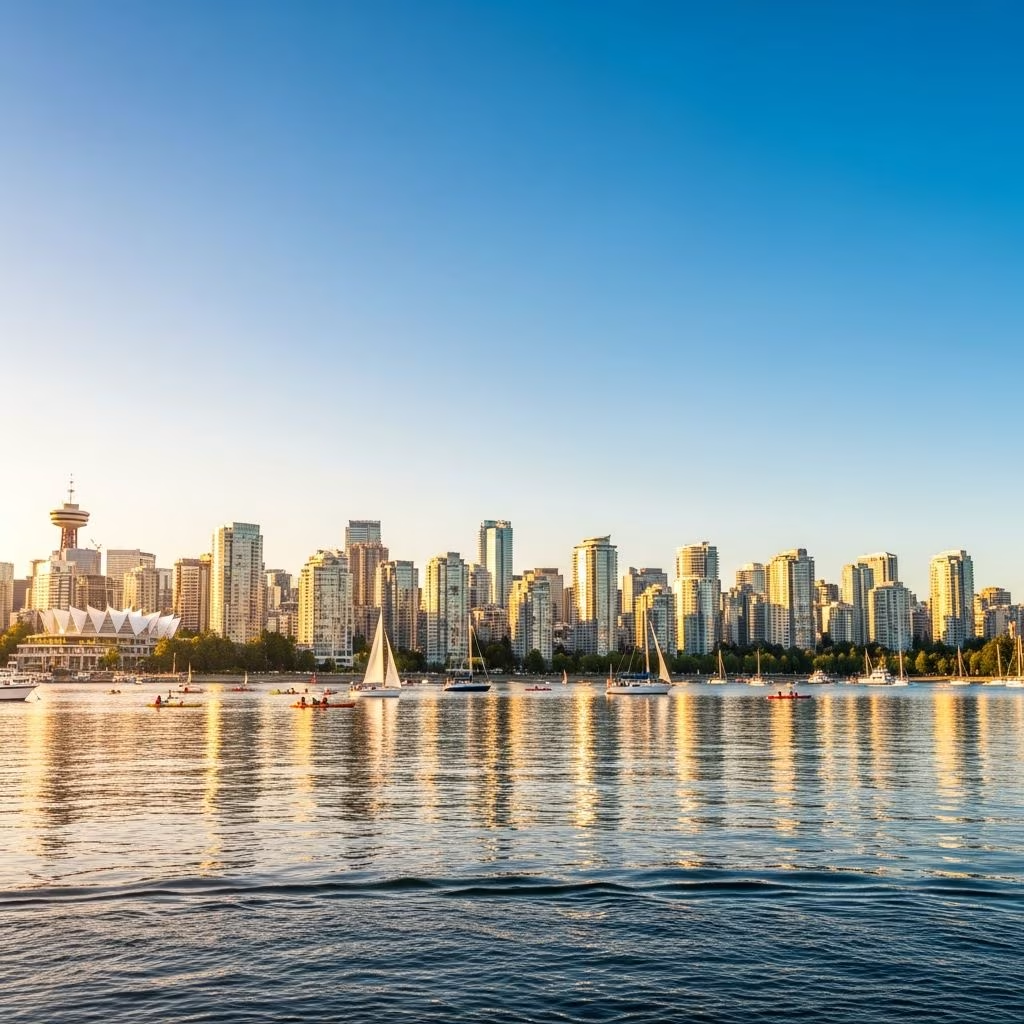 Travel Essentials
Vancouver, nestled on Canada’s Pacific coast, boasts a temperate maritime climate that invites visitors throughout the year. The city balances urban sophistication with natural wonders, making timing crucial for aligning weather, costs, and experiences.
Vancouver experiences mild temperatures year-round due to its coastal location, with average highs rarely exceeding 22°C (72°F) or dropping below 6°C (43°F). Rainfall is heaviest from October to March, totaling over 1,200 mm annually, while summers remain relatively dry. These patterns influence peak tourism, with June to August drawing the largest crowds for outdoor pursuits.
Spring and fall serve as shoulder periods, offering comfortable conditions and lower prices. Winter brings rain but fewer visitors and unique indoor attractions. Selecting the right season depends on priorities like hiking, festivals, or savings.
Summer transforms Vancouver into a hub of energy, with long daylight hours and temperatures in the low 20s°C (mid-70s°F). July stands out as the sunniest month, ideal for beach days at Kitsilano or English Bay.
However, this popularity means higher hotel rates—up 50% from off-peak—and cruise ship crowds. Book accommodations three weeks ahead to secure deals. Wildfire smoke occasionally drifts in from interior BC, potentially affecting air quality.
March to May heralds renewal, with cherry blossoms painting neighborhoods like Commercial Drive. Temperatures climb from 7°C to 15°C (45°F to 59°F), perfect for emerging greenery and lighter crowds.
Advantages include:
Rain is possible but shorter showers, leaving ample sunny intervals for markets like Granville Island.
Autumn mirrors spring’s appeal, with September lingering at 18°C (64°F) highs and colorful foliage in Stanley Park. Crowds thin post-Labour Day, and hotel prices drop.
| Month | Avg High (°C/°F) | Rain Days | Key Events |
|---|---|---|---|
| September | 19/66 | 10 | International Film Festival |
| October | 14/57 | 15 | Thanksgiving hikes |
| November | 9/48 | 19 | Diwali celebrations |
November ushers heavier rains, but indoor gems like the Vancouver Art Gallery provide refuge. Fall suits foodies with harvest seafood at local bistros.
Winter offers quiet charm, with mild 7-8°C (45°F) days and festive lights. Snow is rare downtown but dusts nearby Grouse Mountain for skiing.
Rain gear is essential, but attractions like the Bloedel Conservatory offer tropical escapes.
June-September excels for kayaking in False Creek, zip-lining at Grouse, or Capilano Suspension Bridge treks amid dry trails.
March-May and October-November slash expenses, with mid-week stays under CAD 200/night versus summer’s CAD 350+.
Summer festivals dominate, but spring’s Cherry Blossom and fall’s film fest provide star power without peak pricing.
Shoulder seasons balance kid-friendly aquariums and playgrounds with manageable lines.
Pack layers always—microclimates shift from sunny beaches to misty forests. Public transit like SkyTrain eases navigation year-round.
January and February offer the lowest rates, with fewer tourists despite rain.
Rarely downtown; expect it higher elevations for day trips to Whistler.
Yes, especially Canada Day; opt for weekdays or shoulders.
May to October, peaking July-August.
About 160 rainy days yearly, mostly light drizzle.
Regardless of season, savor spot prawns in summer or truffles in fall. Sustainable choices like biking the seawall enhance every visit.
