

 Travel Essentials
 Travel Essentials

Explore Vermont throughout the year with insights on weather, crowds, costs, and activities for each season to help plan your perfect getaway.
 Travel Essentials
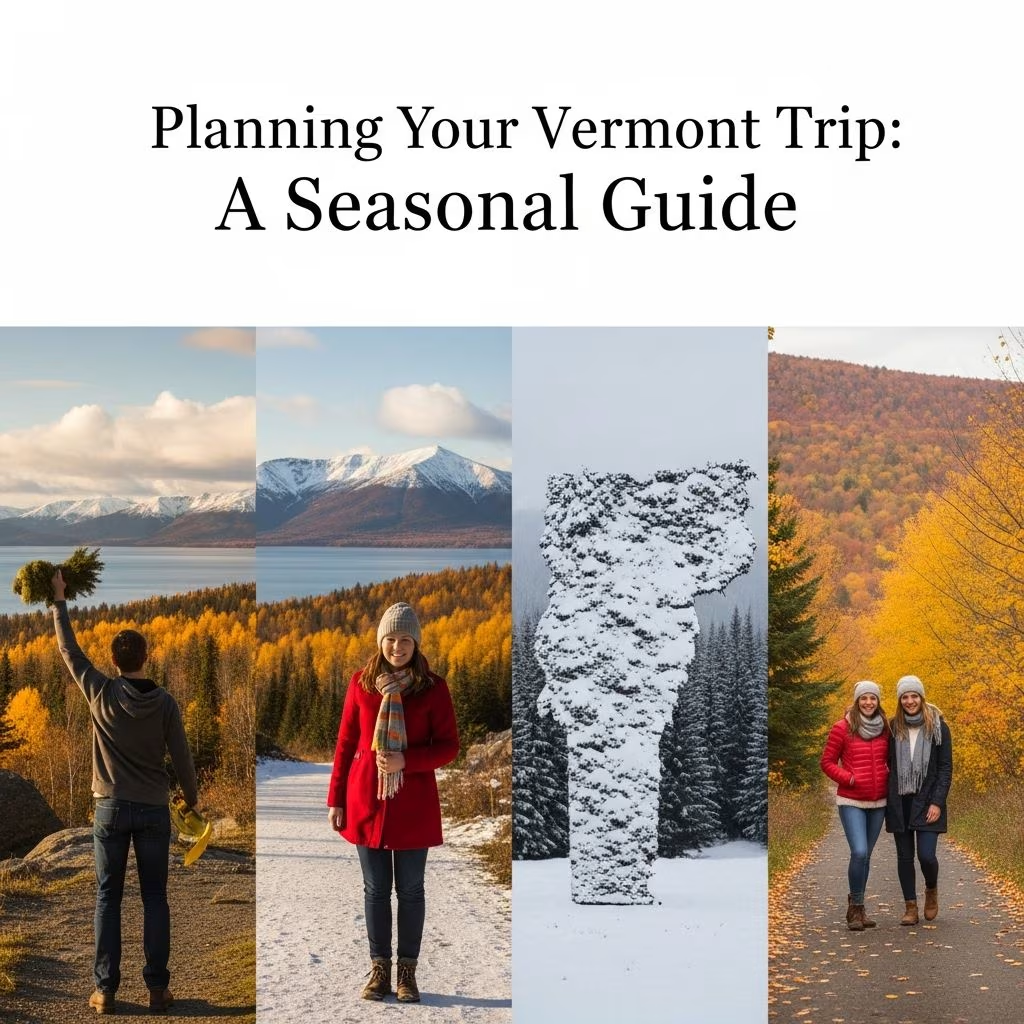
Vermont offers distinct experiences across all four seasons, each with its own charm and character. Whether you’re drawn to vibrant autumn colors, snowy winter landscapes, blooming spring wildflowers, or warm summer days, understanding what each season offers helps you make the most of your visit. This guide explores Vermont’s seasonal variations to help you choose the perfect time for your trip.
Vermont experiences significant temperature fluctuations throughout the year. January brings the coldest conditions, with average highs of 27°F and lows of 10°F. As winter progresses, February sees modest warming to an average high of 31°F, though it remains historically the snowiest month. Spring gradually shifts the climate, with March reaching 40°F, April climbing to 55°F, and May warming to 67°F. Summer temperatures peak in July at 81°F, while September begins cooling to 70°F. By late autumn, temperatures drop back to the mid-40s in November, setting the stage for winter’s return.
These temperature ranges directly influence the types of activities available and the clothing needed for comfortable visits. Understanding these patterns helps visitors pack appropriately and choose activities suited to current conditions.
Fall foliage represents Vermont’s most iconic seasonal attraction. The transformation typically begins in late September and extends through mid-October, with peak colors varying annually based on weather conditions from the preceding months. Rainfall patterns, summer heat intensity, and temperature fluctuations all influence the timing and vibrancy of autumn colors.
The northeastern regions of Vermont typically experience peak foliage first, with the phenomenon gradually moving southward through the state. Visitors planning to maximize their foliage viewing should note that October, particularly the first two weeks, generally offers the best chances of encountering peak colors in popular areas. However, precise timing remains unpredictable—some years produce exceptionally vibrant displays, while others offer more muted tones.
Fall weather provides ideal conditions for outdoor exploration. Daytime temperatures range from 50-70°F, perfect for hiking and sightseeing, while cool, crisp nights invite coziness around fireplaces. The summer humidity dissipates, creating refreshing air that enhances the outdoor experience.
Important considerations for fall visits:
For visitors seeking fall foliage without the peak season intensity, late September in northern mountain regions like Stowe or the Northeast Kingdom offers earlier color changes. Alternatively, the first and second weeks of October work well for southern Vermont, the Lake Champlain Valley, and the Connecticut River Valley.
Winter transforms Vermont into a snow-covered landscape ideally suited for skiing and winter sports enthusiasts. February stands out as the snowiest month, making it an excellent choice for visitors prioritizing snow conditions. However, winter costs substantially more than other seasons, particularly during January, February, and March, as ski resorts and winter destinations attract significant tourist traffic.
Despite higher accommodation prices in ski resort towns, visitors can find more affordable winter options by choosing destinations outside major ski areas. March presents unique opportunities for spring skiing bargains, with reduced lift ticket prices and more available lodging deals as the season transitions. This overlap period offers budget-conscious skiers the chance to experience new mountains at fraction-of-the-typical costs.
Late winter and early spring coincide with maple sugaring season, a distinctly Vermont experience. Visitors can observe traditional syrup production methods and taste fresh maple products, connecting with Vermont’s agricultural heritage during March’s prime sugaring period.
Spring represents Vermont’s most affordable season for accommodations and activities. Late March through April, known locally as “mud season,” offers exceptional deals on lodging as many travelers avoid the transitional period when snow melts and landscapes appear less polished. Visitors willing to venture during this quieter time can secure substantial savings on hotel rates and experience Vermont with minimal crowds.
Spring weather gradually warms as the season progresses. April temperatures average 55°F with lows of 35°F, while May reaches comfortable highs around 67°F with nighttime lows of 45°F. May particularly offers appealing travel conditions, with moderate crowds, comfortable temperatures in the low to mid-60s, and minimal price premiums. Though rain occurs more frequently during spring months, the season still provides ample opportunities for outdoor exploration.
Visitors seeking budget travel should visit during weekdays rather than weekends, substantially reducing accommodation and dining costs. Mud season, while visually unremarkable, appeals to travelers seeking spa retreats and indoor activities without the expense associated with peak seasons.
Spring seasonal highlights:
Summer brings Vermont’s warmest temperatures, with June highs near 76°F and July and August temperatures reaching 79-81°F. June marks the beginning of outdoor season, with strawberries, wildflowers, and extended daylight hours creating appealing conditions for exploration. Though swimming remains cold for most visitors, June provides ideal conditions for hiking, outdoor activities, and enjoying restaurant patios that reliably operate during summer months.
Summer presents tradeoffs between pleasant weather and increased crowds. Campgrounds begin filling significantly as families travel during school breaks, and both natural attractions and commercial venues experience heightened visitor traffic. Pricing reflects this demand, though summer rates remain more moderate than fall and winter peaks.
A notable summer consideration involves black flies, insects that emerge in June and create an unpleasant element for some outdoor activities. Visitors planning extensive hiking or outdoor activities should account for this seasonal nuisance when scheduling their visit.
| Season | Best For | Average Temps | Crowd Level | Relative Cost |
|---|---|---|---|---|
| Fall (Sept-Oct) | Foliage viewing, hiking | 50-70°F | Very High | $$$$ |
| Winter (Dec-Mar) | Skiing, winter sports | 10-33°F | High | $$$-$$$$ |
| Spring (Mar-May) | Budget travel, maple season | 22-67°F | Low | $ |
| Summer (Jun-Aug) | Outdoor activities, festivals | 55-81°F | Moderate-High | $$ |
Visitors should consider their priorities when selecting travel dates. Those prioritizing foliage viewing should accept higher costs and crowds as necessary trade-offs for experiencing nature’s spectacular display. Alternatively, visiting early in the fall season or in less-famous southern regions can reduce crowds slightly while still offering quality foliage viewing.
Budget-conscious travelers should plan visits during spring or early summer, accepting weather variability and reduced snow reliability in exchange for substantial savings. Visiting mid-week rather than weekends further reduces costs across all seasons.
Winter travelers seeking skiing without peak-season premium prices should consider March or early April, when spring skiing bargains emerge. Those willing to visit smaller ski towns outside major resort areas can find winter accommodation deals even during the expensive winter months.
Peak foliage typically occurs between late September and mid-October, though precise timing varies annually based on weather conditions during summer and early fall. Northern regions experience peak colors first, with the display moving southward throughout the month. Checking foliage tracking services closer to your travel dates provides more accurate predictions than fixed dates.
February offers more reliable snow conditions as the snowiest month of the year. However, March provides better lift ticket deals and accommodation bargains as spring approaches. The choice depends on whether you prioritize snow reliability or cost savings.
Yes—visiting during weekdays rather than weekends substantially reduces costs across all seasons. Additionally, staying in smaller towns rather than major resort destinations often yields better accommodation rates even during busy periods.
Mud season (late March through April) offers the cheapest rates because snow has melted but spring foliage hasn’t emerged, making landscapes less visually appealing to typical tourists. However, this period appeals to travelers seeking spa experiences and indoor activities without seasonal premium pricing.
Summer offers extended daylight hours, warm temperatures ideal for hiking, and outdoor dining opportunities that justify visiting despite moderate crowd increases. The season provides good balance between weather quality and pricing, landing between spring’s bargain rates and fall’s premium costs.
Selecting the perfect time to visit Vermont requires balancing personal preferences with practical considerations. Foliage enthusiasts must accept peak season crowds and costs as inherent to the experience. Budget travelers willing to embrace unconventional seasons find exceptional value and quieter experiences. Winter sports enthusiasts can strategically time visits to access both reliable conditions and cost advantages. Summer visitors appreciate pleasant weather and outdoor recreation opportunities with moderate crowds and pricing.
Vermont offers distinct appeal throughout the year, with each season providing unique attractions and experiences. Understanding seasonal characteristics helps visitors make informed decisions aligned with their priorities, ensuring their Vermont journey matches their expectations and preferences.
