

 Travel Essentials
 Travel Essentials

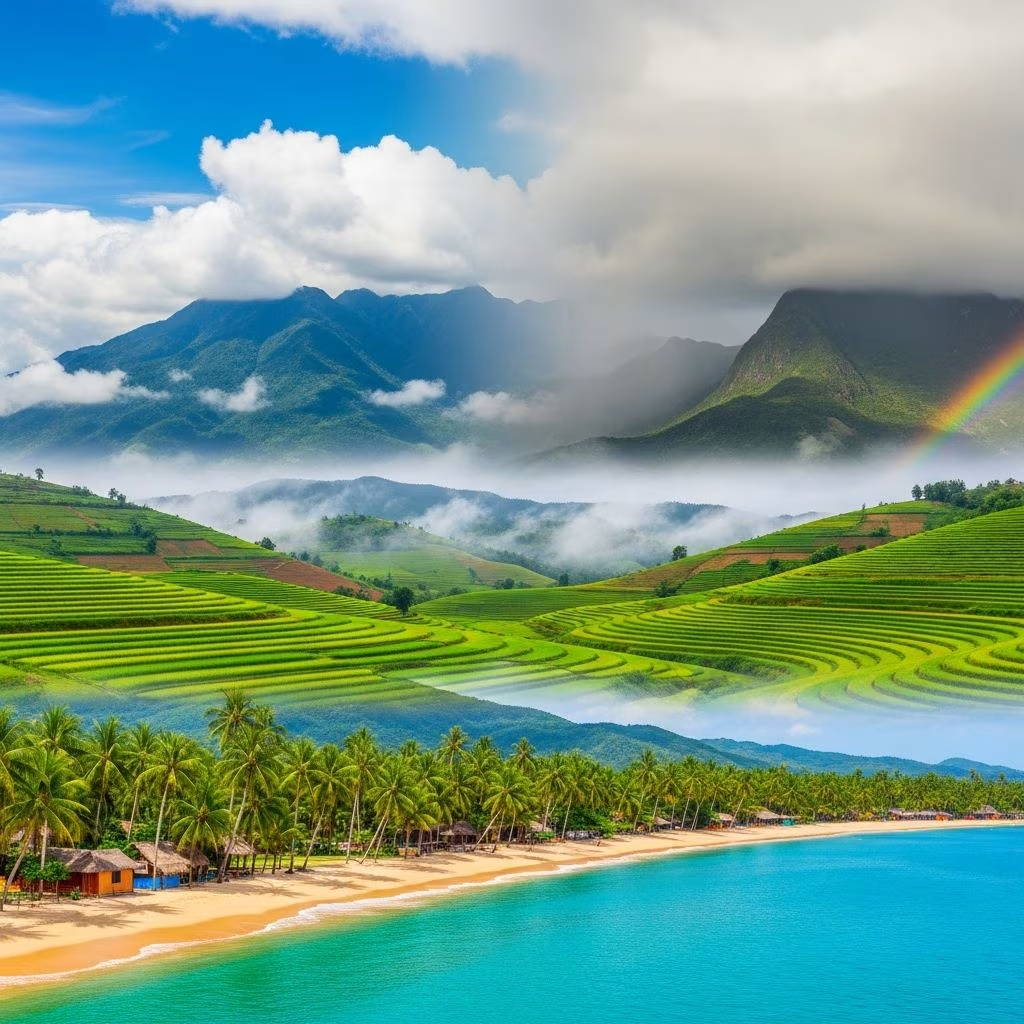
Comprehensive guide to Vietnam's seasonal weather variations across north, central, and south regions with optimal travel windows for each area.
 Travel Essentials
Vietnam stretches over 1,000 miles along Southeast Asia’s eastern coast, creating dramatically different climates across its three primary regions. Understanding these variations is essential for planning a memorable trip, as weather conditions significantly influence your experience whether you’re exploring bustling cities, trekking through mountainous terrain, or relaxing on coastal beaches.
Vietnam’s geography creates a fascinating tapestry of weather patterns. The northern regions experience temperate conditions with distinct seasonal shifts, the central areas showcase tropical characteristics with pronounced dry and wet seasons, and the southern territories maintain consistently warm temperatures year-round. This diversity means that while one region may experience torrential rains, another could be enjoying clear skies and comfortable temperatures. Rather than viewing Vietnam as having a single “best time” to visit, savvy travelers consider their specific destinations and priorities when planning their journeys.
The country’s monsoon systems drive most weather variations. Tropical monsoons bring heavy precipitation during certain months, while other periods bring predictable dry conditions ideal for outdoor exploration. Temperature fluctuations can be equally dramatic, ranging from cool mountain mornings in the far north to sweltering heat in southern plains.
Northern Vietnam experiences the most pronounced seasonal variations of any region in the country. The landscape transforms dramatically throughout the year, from misty, cool conditions in winter to humid subtropical weather in summer.
The winter months bring cooler temperatures to Hanoi and surrounding areas, with nighttime lows occasionally dropping to 39°F in the coldest parts of the far north. While this might seem refreshing after summer heat, many travelers find the frequent cloud cover and mist reduce visibility for sightseeing. However, winter remains dry, meaning precipitation is minimal. January is particularly noteworthy as a compromise month—cooler than spring but drier than summer, with average temperatures around 77°F and manageable humidity levels.
Spring represents one of the premier travel windows for northern Vietnam. Temperatures warm to comfortable levels, typically ranging from mild to pleasantly warm, and rainfall remains minimal. This season coincides with blooming flowers and vibrant green landscapes, creating picturesque conditions for photography and outdoor activities. The limestone peaks of Halong Bay appear particularly dramatic under spring skies, with clear visibility and stable weather. Northern trekking routes become accessible during this period, with conditions ideal for multi-day expeditions through remote villages and terraced rice fields.
Summer transforms northern Vietnam into a steamy, humid environment. Temperatures frequently exceed 95°F, paired with high humidity levels that make physical exertion uncomfortable. The monsoon system brings substantial rainfall, particularly in June and July, creating muddy trails and occasional landslides in mountainous areas. While some adventurous travelers embrace this season for its lower tourism numbers and dramatically green landscapes, most visitors find conditions challenging.
As summer monsoons retreat, autumn emerges as the second-best season for northern exploration. Temperatures cool to around 75°F, humidity decreases, and skies clear dramatically. September bridges late summer and early autumn, while October and November deliver consistently pleasant conditions. Many experienced Vietnam travelers specifically plan northern itineraries for this window, as the combination of comfortable weather and clear visibility creates optimal conditions for activities like Halong Bay cruises, which showcase limestone scenery best under clear skies.
Central Vietnam occupies a unique climatic position, experiencing pleasant conditions during an extended window but facing distinct challenges during monsoon months.
Central Vietnam’s most attractive feature is its extended dry season stretching from January through August. During this span, travelers enjoy hot, sunny weather with minimal rainfall. July and August are particularly reliable, with daytime temperatures stabilizing around 86°F and consistent sunshine. This extended window makes central Vietnam accessible when other regions may be experiencing less favorable conditions. Coastal towns like Da Nang and Hoi An are especially pleasant during this period, offering beach opportunities with minimal rain disruption.
The dry season’s length provides flexibility for travelers planning multi-week itineraries that include central Vietnam alongside other regions. While temperatures can climb into the mid-30s Celsius (mid-90s Fahrenheit), the absence of rain makes daily activities manageable.
The transition into autumn brings dramatic weather shifts to central Vietnam. Monsoon influences create substantial rainfall, particularly in September, October, and November, with potential for flooding in vulnerable areas. The mountainous terrain surrounding central cities intensifies precipitation effects. However, this rainy season creates a contrasting advantage—dramatic cloud formations and vibrant green landscapes attract photographers seeking atmospheric imagery. The Mekong Delta transforms into emerald hues during this period, and rice paddies fill with water, creating visually stunning conditions for those prepared for wet weather.
Southern Vietnam, anchored by Ho Chi Minh City and the Mekong Delta region, maintains warm temperatures throughout the year, fundamentally different from seasonal struggles in the north and center.
The dry season from December through May brings clear skies, minimal rainfall, and comfortable humidity levels. December and January offer the most pleasant conditions, with temperatures moderate and rain virtually absent. February continues this pattern with average temperatures around 73°F and mostly sunny days. This extended window explains why southern Vietnam peaks with tourists during these months—reliability and comfort make planning outdoor activities straightforward.
However, as the dry season progresses toward May, temperatures climb dramatically. By late March and extending through May, mercury regularly reaches 104°F. For heat-sensitive travelers, late April and May become challenging, despite technically remaining in the dry season. This extreme heat, combined with humidity, creates an uncomfortable combination that drives tourists toward air-conditioned accommodations and indoor activities.
Unlike many tropical destinations where rain dominates, southern Vietnam’s rainy season brings brief, intense showers rather than all-day precipitation. Mornings often remain sunny before afternoon downpours, allowing active travelers significant daylight for exploration. Rain rarely persists long enough to significantly disrupt travel plans.
This period offers surprising advantages for adventurous visitors. Hotel rates drop substantially, reducing accommodation costs by 30-50% compared to peak season. Popular destinations become less crowded, allowing more intimate cultural experiences and easier access to attractions. Additionally, photographers specifically seek this season for its dramatic atmospheric effects—thunderheads forming over the Mekong Delta create stunning compositions, while flooded rice fields achieve their most vibrant green hues. August presents unique opportunities like witnessing sea turtle hatchlings at Con Dao, creating wildlife encounters unavailable during other seasons.
| Month | North Conditions | Central Conditions | South Conditions | Best For |
|---|---|---|---|---|
| January | Cool, dry, 77°F | Hot, dry, clear | Pleasant, 77°F | All regions; compromise for north |
| February | Cool, dry, 73°F | Hot, dry, sunny | Excellent, 73°F | All regions; optimal south |
| March | Warm, pleasant, blooming | Hot, dry, clear | Hot, 86°F, beginning of heat | North/central; crowds in south |
| April | Spring peak, ideal | Hot, dry, sunny | Extreme heat, 104°F+ | North/central; avoid south |
| May | Transitional, increasing rain | Hot, dry, last clear days | Extreme heat, monsoon begins | Low season; budget travelers |
| June | Hot, humid, rainy | Hot, dry, sunny | Rainy, lush, budget rates | Central; photographers in south |
| July | Peak summer heat and rain | Hot, sunny, 86°F | Rainy, dramatic skies | Low season crowds; budget |
| August | Hot, humid, rainy | Hot, sunny, reliable | Rainy, turtle season | Central; wildlife viewing south |
| September | Transitional, decreasing rain | Monsoon begins, rainy | Rainy, peak rainfall | Early autumn north; budget |
| October | Autumn peak, ideal | Rainy, flooding possible | Rainy, flooding possible | North; avoid center/south |
| November | Autumn peak, optimal | Rainy, transitioning | Transitioning to dry | North; shoulder south |
| December | Cool, dry, beginning winter | Dry, warm, clear | Dry season begins, excellent | All regions; peak season |
Vietnam’s most important holiday, Tet (Lunar New Year), typically falls in late January or early February. During Tet, cities transform with decorations, temples fill with visitors, and traditional celebrations dominate. However, this period brings peak crowding and elevated prices. If Tet is your priority, book accommodations months in advance and embrace the festive atmosphere despite tourist congestion.
For beach-focused itineraries, southern Vietnam’s dry season (December-May) provides optimal conditions, though extreme heat from March-May requires heat management strategies. Central coast beaches shine during their extended dry season (January-August). Northern Halong Bay visits should target March or November for clear visibility crucial for scenic cruises.
Northern mountain treks require dry conditions and moderate temperatures. March-April and September-November represent ideal windows, avoiding summer monsoons that create muddy trails and October-November specifically offering crisp mountain air and clear skies.
May, June, September, and October deliver significantly lower prices and fewer tourists compared to peak season. While weather varies by region, accepting some rain in exchange for cost savings and solitude appeals to flexible travelers.
No. March-April and September-November represent compromise windows with decent conditions across most regions, but individual locations peak at different times. Northern excellence occurs in spring and autumn, while southern reliability spans dry season months.
Absolutely. Rain typically comes in short bursts rather than all-day downpours, particularly in the south. Rainy season offers budget rates, fewer crowds, and dramatic photographic conditions. Central Vietnam remains pleasant even during neighboring regions’ monsoon months.
Southern temperatures above 100°F (March-May) require heat management—staying hydrated, limiting midday outdoor activities, and utilizing air conditioning. Heat-sensitive travelers should avoid these months in the south or accept reduced outdoor activity time.
While typhoons can impact Vietnam, they’re less common than monsoon rains. Severe weather is more typical in September-October when tropical systems occasionally form. Travel insurance becomes more valuable during this period.
Flooding occasionally affects the Mekong Delta and central regions during heavy monsoon months (September-November). While it rarely prevents travel, riverside areas may experience temporary disruptions. Monitoring weather forecasts during this season is prudent.
Successfully planning a Vietnam visit requires understanding regional weather patterns rather than seeking a mythical “perfect month.” Northern travelers should prioritize spring and autumn, central visitors can enjoy an extended dry window, and southern explorers benefit from December through February reliability. Budget-conscious travelers with flexible schedules discover that shoulder seasons offer exceptional value without prohibitive weather challenges.
By aligning your specific destinations and activities with appropriate seasonal windows, you’ll maximize comfort, minimize costs, and create authentic experiences across Vietnam’s remarkably diverse landscapes.
