

 Travel Essentials
 Travel Essentials

Learn the best seasons to visit Washington DC, from spring cherry blossoms to fall foliage, with insights on weather, crowds, and activities.
 Travel Essentials
Washington DC welcomes millions of visitors each year to experience its iconic monuments, world-class museums, and vibrant cultural scene. However, the quality of your visit depends significantly on when you choose to travel. Each season offers distinct advantages and challenges, from mild spring weather and blooming landscapes to cooler fall temperatures and reduced crowds. Understanding these seasonal variations helps you optimize your itinerary, budget, and overall experience in the nation’s capital.
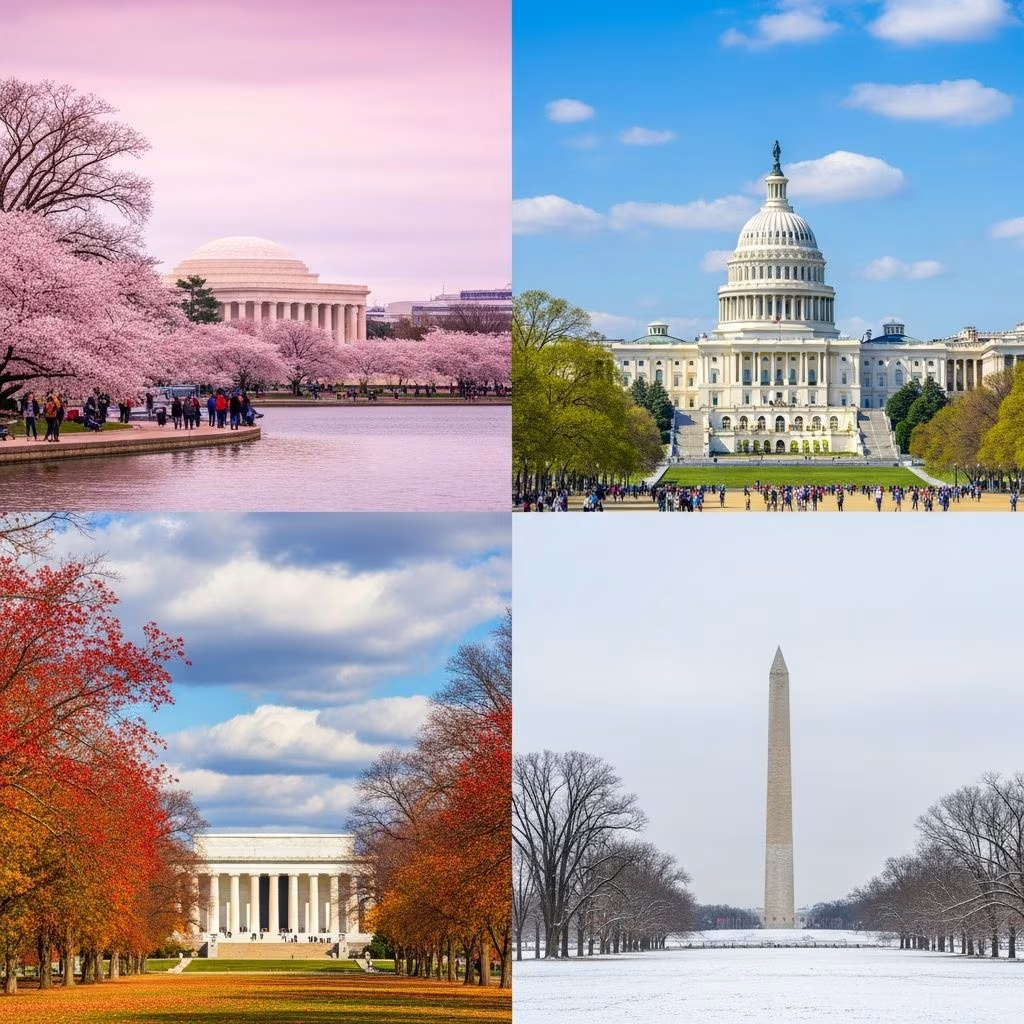
Spring represents one of the most celebrated times to explore Washington DC, particularly from late March through May. During these months, the city transforms with moderate temperatures typically ranging from the high 60s to low 70s Fahrenheit, creating ideal conditions for extended walking tours and outdoor sightseeing. The landscape comes alive with blooming flora, and the famous cherry blossoms along the Tidal Basin create stunning photo opportunities that attract visitors from around the globe.
April and May are widely regarded as the premier spring months for visiting DC. The combination of pleasant weather and visual beauty makes exploring major attractions genuinely enjoyable. Parks and memorials feel particularly vibrant, and the extended daylight hours provide ample time for comprehensive sightseeing. The National Mall, managed by the National Park Service, becomes a focal point for leisurely exploration without the oppressive heat of summer months.
However, spring’s popularity comes with a trade-off: crowds intensify significantly during this period. School spring breaks occur throughout the season at various times, extending busy conditions across multiple weeks. Additionally, schools frequently schedule field trips during spring, further contributing to congestion at major attractions. Weekends, particularly Saturdays, experience heavier traffic than weekdays, with Mondays and Wednesdays typically offering the quietest conditions.
Summer in Washington DC presents the most challenging conditions for visitors. The city becomes extremely hot and humid, with temperatures often exceeding 90 degrees Fahrenheit combined with high moisture levels that create uncomfortable conditions for walking and outdoor exploration. This combination makes navigating the extensive National Mall and outdoor monuments particularly taxing, especially for families with children or those with limited heat tolerance.
Beyond weather concerns, summer marks peak tourist season, resulting in substantial crowds at all major attractions. Hotels charge premium rates during these months, and popular sites require extended wait times. Museum lines become particularly long during afternoon hours when school groups visit. For budget-conscious travelers and those seeking a more relaxed pace, summer represents the least appealing season for DC exploration.
Late summer, particularly August, does offer some value advantages with slightly reduced crowds compared to mid-summer peaks. However, oppressive heat and humidity persist, making this an unattractive option for most visitors despite cost savings.
Fall emerges as a strong contender for the optimal visiting season, rivaling spring in overall appeal. From September through early November, temperatures moderate to comfortable ranges, typically between the upper 50s and upper 70s Fahrenheit, with significantly lower humidity levels. This crisp air creates ideal conditions for extensive walking, outdoor monument exploration, and enjoying the National Mall at a leisurely pace.
The visual appeal of fall cannot be overstated. Tree-lined neighborhoods and historic avenues display changing foliage, creating a refined aesthetic particularly suited to cultural exploration. October specifically provides some of the most picturesque conditions, with mild and sunny days extending at least until mid-October before temperatures gradually decline. This natural beauty, combined with comfortable weather, makes fall an exceptionally appealing season.
Beyond weather and aesthetics, fall offers a crucial advantage over spring: substantially reduced crowds. After the intense summer season concludes, visitor numbers decrease noticeably, allowing more intimate experiences at popular sites. You can enjoy major attractions without navigating throngs of tourists or standing in lengthy lines. Museums and galleries feel less congested, and hotel availability increases while rates often decrease from summer peaks.
Fall also coincides with the return of Capitol Hill professionals and staffers following summer recesses, bringing renewed energy and cultural programming to the city. Annual events like the National Book Festival provide entertainment opportunities distinct from spring offerings. For travelers prioritizing comfort, crowd avoidance, and budget considerations, fall represents an exceptionally balanced choice.
Winter presents a polarizing season for DC visitors. From December through February, temperatures can drop to the 30s and 40s Fahrenheit, with occasional snow events. While these conditions challenge outdoor exploration, winter offers significant advantages for specific traveler profiles.
Hotel rates reach their lowest levels outside the summer and spring peaks, making winter an attractive option for budget-conscious travelers. Museums and galleries experience dramatically reduced crowds, allowing for more contemplative experiences with art and historical exhibits. For those prioritizing indoor attractions and cultural institutions over extensive outdoor sightseeing, winter provides excellent value and less-crowded conditions.
March and early April, transitional months between winter and spring, appeal to travelers seeking reduced crowds with improving weather. While temperatures remain somewhat unpredictable, these periods reward patient visitors with quieter museums, increased hotel availability, and a more authentic local atmosphere before the spring rush begins.
Understanding visitor patterns helps optimize your DC experience regardless of season. Mid-January through early March, outside of presidential inauguration years, sees notable drops in visitor numbers, making this an excellent window for quieter museum experiences and more accessible monuments. This period provides a balance between bearable winter weather and significantly reduced crowds.
Weekday visits consistently outperform weekends regarding crowd levels. Mondays and Wednesdays typically see the slowest traffic at attractions. If flexibility exists in your scheduling, planning museum visits after 2 PM on weekdays minimizes school group encounters and reduces overall congestion.
Different activities benefit from different seasonal conditions:
Seasonal events influence the DC experience beyond weather considerations. Spring hosts unique cultural celebrations like Passport DC, a month-long embassy showcase featuring performances, street festivals, and international films across 39 global embassies. This programming adds distinctive cultural value to spring visits beyond simple sightseeing.
Fall brings its own cultural programming with returning professional communities and events like the National Book Festival, providing entertainment opportunities distinct from spring offerings. These seasonal variations in cultural programming should factor into timing decisions based on your interests.
| Season | Temperature Range | Crowd Level | Cost | Best For |
|---|---|---|---|---|
| Spring (Mar-May) | 60-75°F | Very High | High | Outdoor exploration, cherry blossoms, cultural events |
| Summer (Jun-Aug) | 80-95°F | Very High | Very High | Not recommended |
| Fall (Sep-Nov) | 55-75°F | Moderate | Moderate | Monument walks, foliage viewing, budget-conscious travelers |
| Winter (Dec-Feb) | 30-45°F | Low | Low | Museums, galleries, budget travel |
First-time visitors should plan at least three days in Washington DC to experience major attractions adequately. This minimum timeframe allows for National Mall exploration, museum visits, and key monument sightseeing without excessive rushing. Those seeking deeper cultural engagement or specific interests may require additional time for comprehensive exploration.
Mid-January through early March and September through October offer the best crowd-reduction opportunities. Weekdays, particularly Mondays and Wednesdays, experience lighter traffic than weekends. Late August provides some crowd reduction despite warm temperatures.
Winter suits budget-conscious travelers and museum enthusiasts seeking indoor cultural experiences with minimal crowds. However, outdoor sightseeing becomes challenging due to cold temperatures and potential snow.
April offers exceptional photography with cherry blossoms in full bloom, while October provides stunning fall foliage against historic monuments. Morning hours typically offer better lighting than afternoon conditions regardless of season.
January, February, and August typically offer the lowest hotel rates outside peak seasons. Winter months provide the most substantial cost savings for accommodations and attractions.
Yes, but seasonal conditions significantly impact comfort levels. Spring and fall provide the most universally comfortable conditions, while summer heat and winter cold present challenges for outdoor exploration.
Washington DC remains a compelling destination throughout the year, with each season offering distinct advantages tailored to different traveler priorities. Spring delivers unparalleled natural beauty and vibrant energy despite crowded conditions and higher costs. Fall balances pleasant weather, reduced crowds, and cultural programming with exceptional value. Winter attracts budget-conscious visitors seeking intimate museum experiences and local atmosphere. Summer, despite its popularity, presents significant challenges through oppressive heat and premium pricing.
Your ideal visiting season depends on personal priorities: those prioritizing comfort and scenery should choose spring or fall; budget travelers seeking indoor cultural experiences should consider winter; and visitors seeking the quietest experience with reasonable weather should target early spring or fall shoulder seasons. Regardless of timing, planning ahead, visiting on weekdays, and scheduling museum visits strategically will optimize your Washington DC experience.
