

 Travel Essentials
 Travel Essentials

Unlock the best periods to visit Washington State, from sun-soaked summers for outdoor adventures to snowy winters for skiing and shoulder seasons for fewer crowds and blooming wonders.
 Travel Essentials
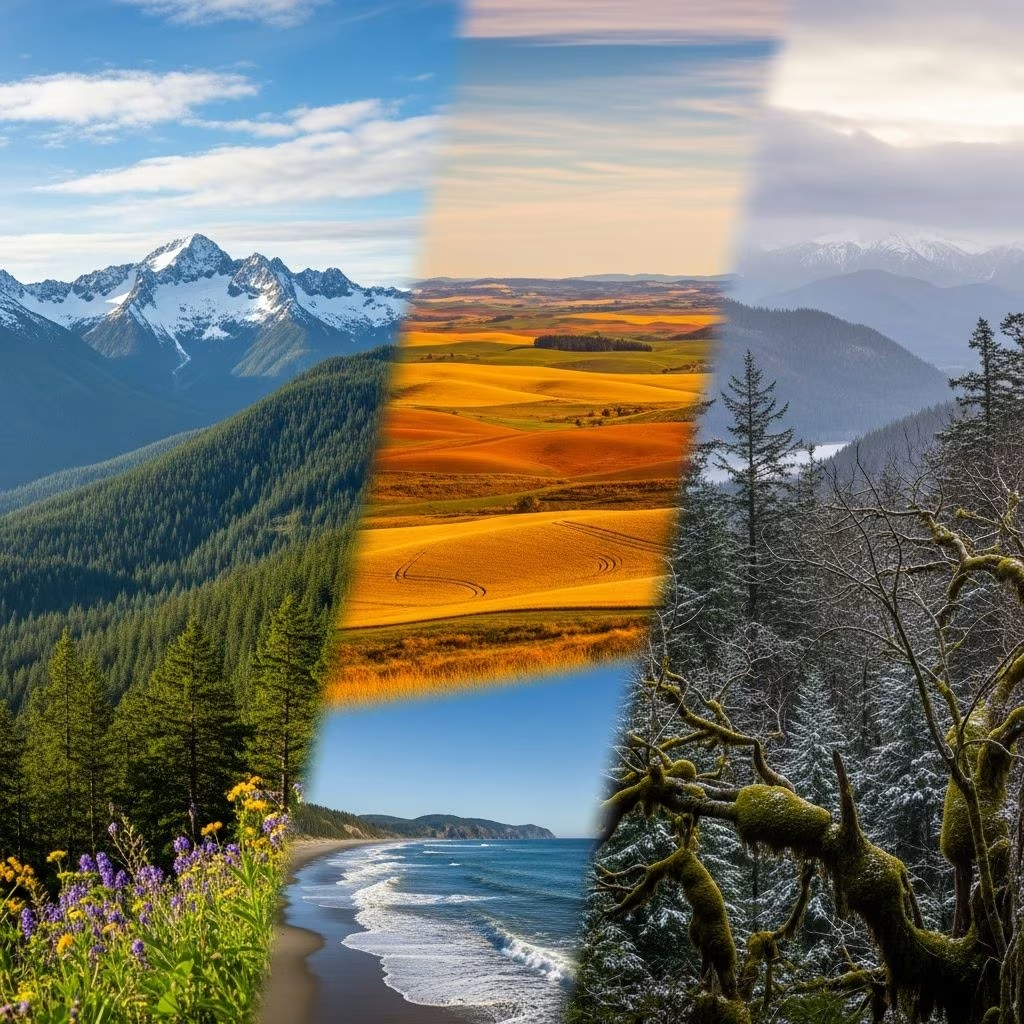
Washington State, with its dramatic mountains, lush rainforests, arid eastern plains, and vibrant coastal cities, offers distinct experiences across seasons. Whether seeking sun-drenched trails, powder-covered slopes, or quiet paths amid wildflowers, timing your trip maximizes enjoyment while navigating weather patterns and visitor volumes. This guide breaks down each period, highlighting climates, activities, and strategies for an unforgettable visit.
Summer transforms Washington into a haven for outdoor enthusiasts, delivering the state’s most reliable warmth and clarity. From mid-July through early September, expect predominantly dry conditions, making it prime for hiking, camping, and water pursuits across the state’s varied terrains.
In Western Washington, including Seattle and the Olympic Peninsula, daytime highs average 70-75°F (21-24°C), with low humidity and minimal rain—rarer than 10 days per month. Eastern regions, shielded by the Cascade Mountains, soar to 80-90°F (27-32°C), ideal for vineyard tours in Yakima Valley or beach days at Lake Chelan. National parks like Mount Rainier and North Cascades burst with accessible trails, wildflower meadows, and open campgrounds.
Drawbacks include peak crowds, especially weekends at iconic sites, and elevated lodging rates—up 30-50% from off-peak. Book permits for popular hikes like the Enchantments months ahead. To sidestep lines, arrive before 7 AM or post-5 PM, and prioritize weekdays.
| Region | Avg High (°F) | Rain Days | Top Activity |
|---|---|---|---|
| Western WA (Seattle) | 72-75 | 5-7 | Ferry hopping, urban exploring |
| Olympic NP | 68-72 | 6-8 | Coastal hikes, tide pooling |
| Eastern WA (Spokane) | 85-90 | 2-4 | Winery tours, boating |
| Mount Rainier NP | 65-70 | 4-6 | Glacier treks, wildflowers |
September ushers in a golden transition: temperatures dip slightly, crowds thin post-Labor Day, and foliage hints at autumn hues. Festivals like Bumbershoot in Seattle add cultural flair with music and arts.
Winter cloaks Washington in snow, particularly in the mountains, drawing skiers and snowboarders to world-class resorts. From November to March, the Cascades and Olympics accumulate deep powder, while lowlands see rain.
Precipitation peaks at 5-6 inches monthly in the west, with Seattle logging 150+ rainy days yearly. Mountain elevations above 4,000 feet receive 200-400 inches of snow annually. Crystal Mountain and Stevens Pass thrive, offering terrain for all levels.
Affordable hotels (20-40% below summer) and shorter lift lines reward off-season travelers. However, backcountry roads close, and daylight shrinks to 8-9 hours. Pack chains for drives and check avalanche forecasts via Northwest Weather and Avalanche Center (nwac.us)—a primary government resource for safety data.
January’s cold snaps (lows 30-35°F/ -1-2°C) contrast with milder coastal spells, perfect for whale watching as grays migrate past Westport.
Spring (April-June) and fall (October) shine for solitude seekers, blending mild weather, natural spectacles, and deals. These periods dodge summer throngs while showcasing seasonal magic.
April teases with highs of 55-65°F (13-18°C), escalating to 70°F by June. Rainfall tapers, revealing orchard blossoms in Wenatchee and wildflowers carpeting Palouse Prairie. Olympic’s Hurricane Ridge opens tentatively, minus crowds.
May’s charm lies in rhodies blooming statewide and ferry lines shrinking. Expect showers (10-15 days/month), so layer up. State parks report 50% fewer visitors than July.
October often gifts a “second summer”—crisp 60°F (15°C) days, fiery maples in Chuckanut Drive, and harvest bounty. Rain rises late-month, but early October stays dry.
Pike Place Market’s Fall Festival celebrates apples, pumpkins, and wines. Wine regions like Walla Walla peak with Cabernet harvests. Trails empty out, ideal for multiday backpacking in Pasayten Wilderness.
| Season | Pros | Cons | Crowd Level |
|---|---|---|---|
| Spring | Blossoms, low prices, mild temps | Spotty rain, lingering snow high up | Low-Medium |
| Fall | Foliage, harvest events, sunny stretches | Increasing rain, shorter days | Low |
Washington’s rain shadow creates microclimates: wet west (Puget Sound: 40+ inches/year), dry east (Yakima: 8 inches). Islands like San Juan offer tempered maritime air; high country swings extreme.
Monitor forecasts via NOAA (weather.gov)—the official U.S. source for hyperlocal predictions.
Pack versatile layers: Gore-Tex for rain, thermals for mountains. Apps like AllTrails track conditions; Recreation.gov handles park reservations. Sustainable tips: Visit midweek, support local (e.g., WA State Ferries’ eco-routes), tread lightly.
Budget: Summer highs $200+/night Seattle hotels; winter $120-150. Shoulder: $100-140.
November-March offers lowest rates, especially post-holidays, with ample ski options.
Yes—summer beaches, winter tubing, spring zoos, fall pumpkin patches suit all ages.
About 150 days/year, but mostly drizzle; summers average <2 inches total rain.
September-October: Clear roads, vivid scenery, fewer RVs.
Drier summers, wetter winters per NOAA trends; plan flexible itineraries.
