

 Travel Essentials
 Travel Essentials

Unlock the best periods to visit Yellowstone, from snowy winters with few crowds to vibrant summers full of activity. Learn monthly insights on weather, wildlife, and tips to maximize your trip.
 Travel Essentials
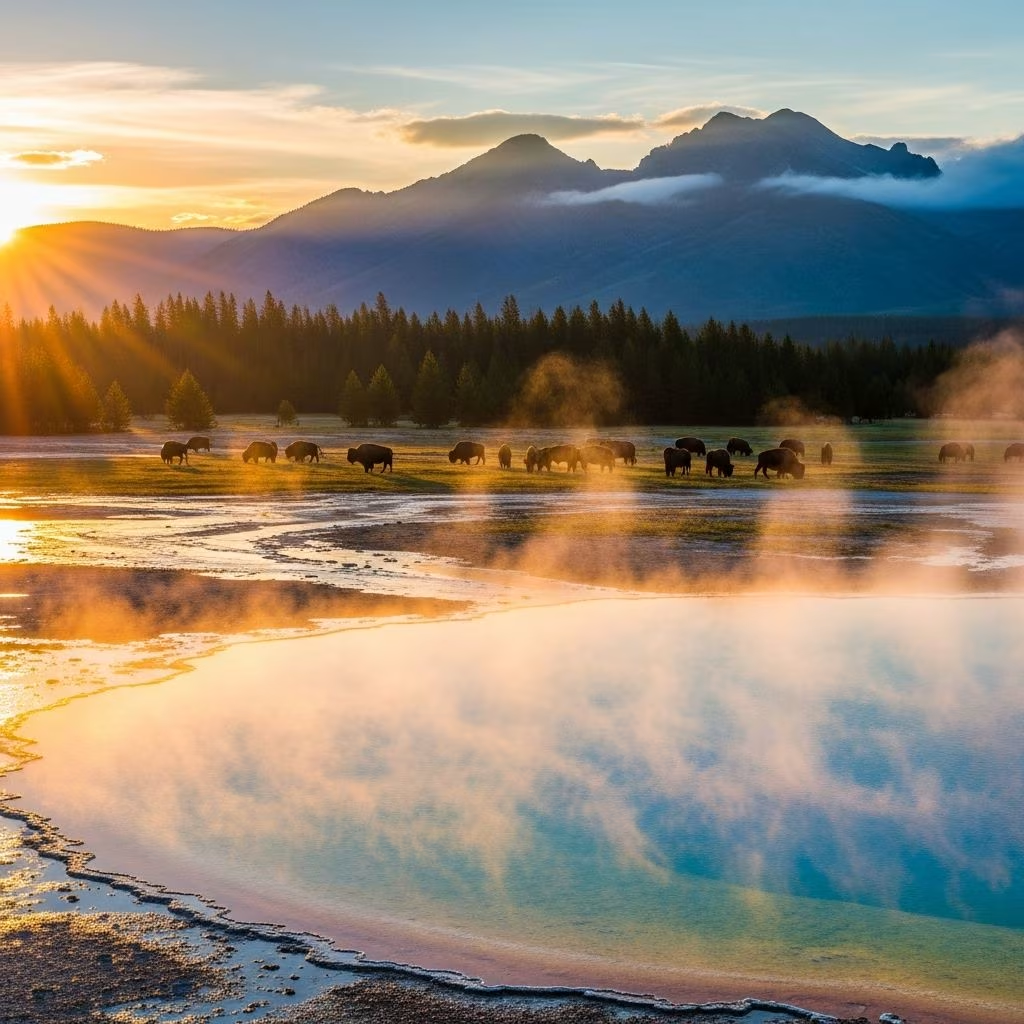
Yellowstone National Park, spanning Wyoming, Montana, and Idaho, captivates millions with its geothermal features, diverse wildlife, and stunning landscapes. Choosing the right time to visit depends on your priorities: vibrant wildflowers and full road access, quiet snowscapes with unique animal behaviors, or fewer crowds amid fall colors. Each season offers distinct experiences, influenced by high-elevation weather that can shift dramatically.
The park’s climate varies widely due to its 2,000 to 11,000-foot elevation range. Summers bring warmth but crowds, while winters demand preparation for cold and limited access. Visitor numbers peak from June to September, when all 251 miles of roads open, drawing over 4 million annually. Off-peak periods like April, October, and winter months provide solitude but require checking road statuses via official updates.
Delve into each month’s highlights, challenges, and tips drawn from park patterns and visitor data.
Winter transforms Yellowstone into a serene, snow-covered realm visited by less than 3% of annual tourists. Temperatures plummet to -20°F (-29°C) or lower, with heavy snowfalls blanketing geysers and valleys. Roads close to vehicles except for snowcoach or snowmobile tours from North, West, or South Entrances to key sites like Old Faithful Snow Lodge.
Wildlife thrives: bison herd in Lamar Valley, wolves hunt at dawn/dusk, otters play in geothermal streams. Activities include guided ski tours, snowshoeing, and ranger programs. By mid-March, snowmobile access often ends around March 15 as spring thaw begins.
| Pros | Cons |
|---|---|
| Minimal crowds, stellar wildlife viewing | Extreme cold, limited access |
| Unique activities like snowcoach safaris | Few lodging options |
As snow melts at lower elevations, April marks spring’s shoulder season. Roads remain mostly closed until late month, but wildlife returns: elk migrate back, bears emerge from hibernation. Expect muddy trails, unpredictable snowstorms, and temperatures from 20°F to 50°F (-7°C to 10°C). Crowds are low, ideal for patient photographers spotting newborns.
Tip: Pack waterproof boots for slushy paths; check NPS for road openings.
Warmer days (40°F-60°F or 4°C-16°C) coax wildflowers and greening meadows. Higher roads open progressively, but full access isn’t until late May. Bison calves appear, grizzlies forage. Visitor numbers rise slightly, yet boardwalks remain uncrowded. Late May emerges as a sweet spot for balanced weather and activity.
June offers pleasant highs of 60°F-70°F (16°C-21°C), abundant wildlife like bear cubs and elk rut prep, and lighter crowds before July rush. All roads typically open by mid-month, enabling loops to Grand Canyon, Mammoth, and Yellowstone Lake. Wildflowers peak, sunrises glow over Lamar Valley—best dawn/dusk for sightings. Avoid midday heat at geysers.
Pro: Vibrant scenery, family-friendly. Con: Increasing traffic.
These months see 60°F-80°F (16°C-27°C) days, thunderstorms possible. Peak crowds clog Old Faithful and bison jams halt roads. Yet, this is prime for hiking 900+ miles of trails, boating, fishing (no license needed in park). Wildfire risk rises; pack bear spray. Arrive before 7 AM or after 4 PM to beat lines.
Fall brings crisp 30°F-60°F (-1°C-16°C) air, elk bugling in rut, aspen gold, and dwindling crowds post-Labor Day. Roads stay open until early November (first closures ~Oct 31 from Dunraven Pass). October allows uncrowded geyser gazing, early snow dustings. Bears fatten for hibernation; fewer services but lodging cheaper.
Roads close progressively; snowcoach season ramps up. First snows enhance geothermal steam plumes. Quietude returns, with holiday ranger events.
Even in peak times, smart planning yields peace.
Table of Crowd Levels:
| Month | Crowd Level | Access |
|---|---|---|
| June-Aug | High | Full roads |
| Sep-Oct | Medium-Low | Near full |
| Apr-May | Low | Partial |
| Nov-Mar | Very Low | Snow only |
Yellowstone hosts 67 mammal species; timing maximizes encounters.
Maintain 100-yard distance from bears/wolves, 25 yards from others.
Layer for 40°F swings daily. Summer: rain gear; Winter: insulated boots, avalanche awareness.
Book 13 months ahead for in-park stays. $35/vehicle fee (7 days). Off-peak rates drop 20-50%.
NPS updates seasonally: peak full services; off-peak limited fuel/ranger stations.
June or September: accessible, wildlife-rich, moderate crowds.
No—snowcoach/snowmobile only on designated routes.
Early morning or late afternoon; check predictions app.
Yes, with weather checks; roads may close abruptly.
Summer for ranger programs, full amenities.
Your ideal Yellowstone timing hinges on adventure style—crowd-averse solitude seekers favor winter/fall, while full-access enthusiasts pick summer. Always verify NPS conditions for safety and access. This geothermal paradise rewards preparation with lifelong memories.
(Word count: 1678)
