

 Travel Essentials
 Travel Essentials

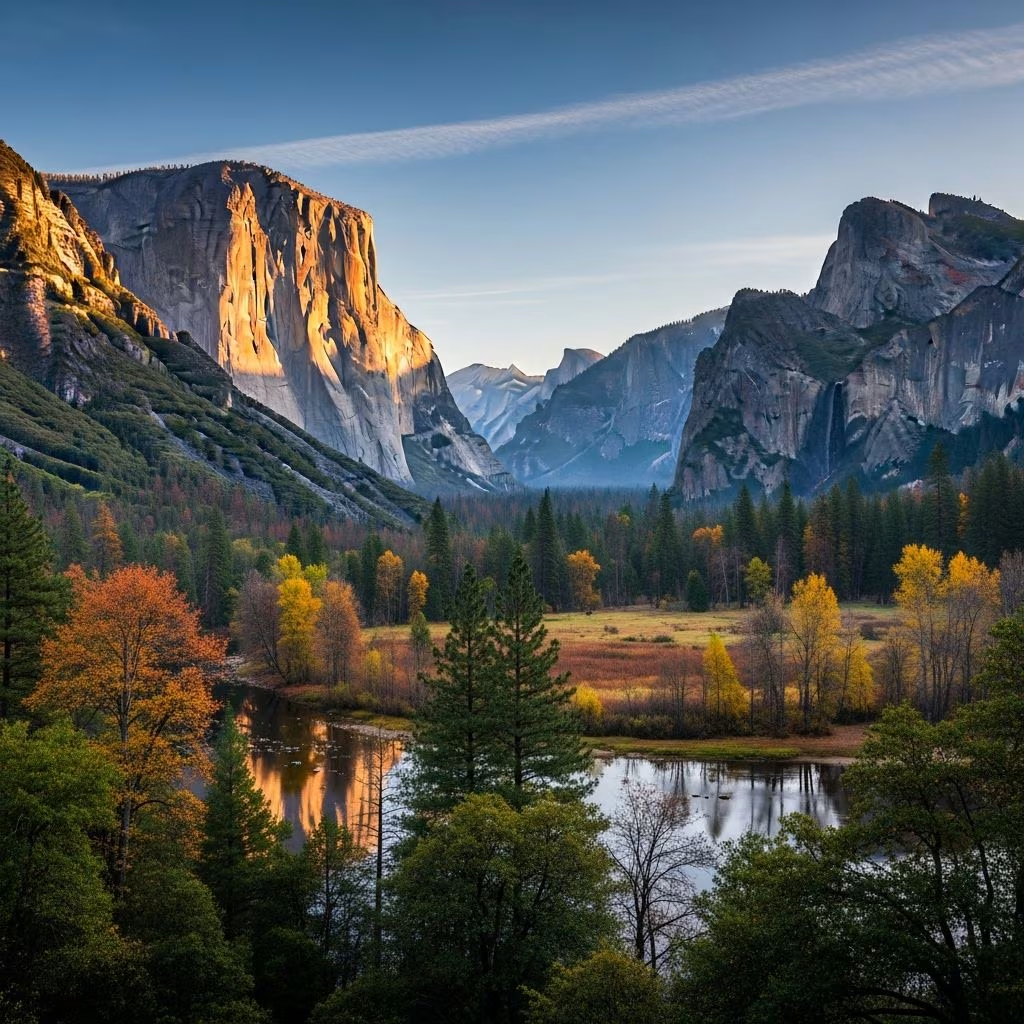
Learn how seasonal changes affect accessibility, weather, and crowds at Yosemite. Find your ideal visit window based on activities, budget, and preferences.
 Travel Essentials
Yosemite National Park stands as one of America’s most treasured natural destinations, attracting millions of visitors annually seeking dramatic granite cliffs, thundering waterfalls, and pristine wilderness. However, the optimal experience depends significantly on when you choose to visit. The park’s accessibility, weather conditions, crowding levels, and available activities vary dramatically throughout the year, making it essential to align your travel dates with your priorities and expectations.
Yosemite’s visitation and operational patterns follow distinct seasonal rhythms shaped by winter snowfall, spring snowmelt, and summer recreation demand. The park experiences dramatic operational changes that extend beyond typical tourist seasonality, with significant portions closing during winter months due to heavy snow. Understanding these patterns helps travelers make informed decisions about timing their visit.
The park’s geography creates elevation-dependent conditions that profoundly influence accessibility. Valley areas remain relatively accessible year-round, while high-elevation roads and trails close seasonally. This means your specific destination within the park should influence your timing decision.
The final weeks of May and early June represent what many consider the prime visiting window. During this window, the park transitions fully into warm-weather accessibility while still maintaining manageable crowd levels compared to peak summer.
Conditions and Advantages:
Considerations:
High-elevation areas like Tuolumne Meadows may still be inaccessible depending on snowpack. River flows run high and fast from snowmelt, making backcountry water crossings potentially hazardous. Lodging during this period begins to show increased pricing and booking difficulty.
June through August represents Yosemite’s official peak season, when the entire park operates at full capacity. This period coincides with school vacations and favorable weather nationwide, creating substantial visitation pressures.
What Opens During Summer:
Weather and Activity Conditions:
Daytime temperatures typically range from 70-90°F (21-32°C), with cooler temperatures at higher elevations. Days are consistently dry with minimal rainfall. Conditions prove ideal for hiking, camping, and High Sierra exploration.
The Crowding Reality:
Summer represents the most challenging time to experience the park’s tranquility. Vehicle entry typically requires advance reservations, parking becomes extremely difficult, and popular trails become congested. Wait times at restaurants, lodging costs reach annual peaks, and the peaceful wilderness experience diminishes considerably.
September, particularly after Labor Day, emerges as an exceptional compromise between access and solitude. This window combines near-complete park access with substantially reduced crowds and comfortable temperatures.
Key Advantages:
The National Park Service recommends arriving before 9 AM or after 5 PM during spring through fall to minimize traffic delays, advice particularly valuable during this transitional season.
October marks the beginning of visible seasonal transition, with temperatures cooling and occasional foliage changes beginning. However, accessibility begins declining as weather patterns shift.
Atmospheric and Practical Changes:
October temperatures drop to lows in the 30s and highs in the low 50s. While these conditions remain suitable for hiking, particularly for those seeking cooler weather, some higher-elevation areas become increasingly vulnerable to early snow. Vehicle restrictions may begin appearing on mountain passes.
Transition Challenges:
By late October, the Tioga Pass and Glacier Point Roads approach closure, restricting high-elevation access. Cloud cover increases, potentially limiting visibility for iconic vistas. Despite these changes, October still offers excellent hiking conditions and substantially lower crowds than summer.
Winter represents Yosemite’s most dramatically different operational period. From December through February, the park transitions into a specialized winter experience rather than a standard summer-style visit.
Access Limitations:
The Yosemite Valley remains open as the primary visitable area, while Tioga Road and Glacier Point Road close for the season. Higher elevations become completely inaccessible by standard vehicle travel. This restriction reduces the park’s operational footprint to essentially Valley-centered activities.
Winter Conditions and Activities:
Considerations:
Limited daylight hours restrict exploration time, with early sunsets around 4-5 PM. Roads may require chain installation, and travel becomes unpredictable depending on weather patterns. Restaurants and facilities operate on reduced schedules. Despite these limitations, winter provides a genuinely distinctive experience for visitors comfortable with cold conditions and reduced park access.
March and April represent transitional months as winter’s grip loosens but spring snow remains common. Park reopening follows a staged pattern as roads clear and facilities resume operations.
Variable Conditions:
These months present unpredictable conditions. Some days bring pleasant weather suitable for valley hiking, while others bring snow or rain. Roads may be accessible one day and closed the next depending on weather patterns. Waterfalls begin flowing more powerfully as winter snow melts, though they don’t reach spring peak until May.
Traveler Advantages:
Planning Challenges:
The unpredictability of weather requires flexibility in planning. Road closures may change daily. Restaurants and lodging operate on varied schedules. High-elevation roads typically remain closed through April except during unusually warm years.
| Season | Best For | Crowds | Access | Cost |
|---|---|---|---|---|
| Late May/Early June | Waterfalls, wildflowers, hiking | Moderate | Nearly complete | Moderate-High |
| July-August | Complete park exploration | Very High | Complete | Peak prices |
| September | Hiking, balanced experience | Moderate-Low | Nearly complete | Moderate |
| October | Cooler hiking, fall colors | Low | Partial (higher areas close) | Moderate-Low |
| November-April | Solitude, winter activities | Very Low | Valley only | Low |
Waterfalls peak in May and early June following spring snowmelt. By July, water flows decrease substantially as summer weather dries the landscape. Winter snowmelt contributes some flow, but the dramatic cascades disappear.
November through March provides maximum solitude, though with significantly limited park access and activities. If you want accessibility with lower crowds, September after Labor Day offers excellent compromise between solitude and available experiences.
Winter visits work well for those comfortable with cold temperatures, limited daylight, and valley-only access. Visitors must understand that winter represents a fundamentally different experience rather than a reduced version of summer visits.
Summer lodging (June-August) often requires months-advance booking. Late May through early June and September also fill quickly. Winter and spring offer greater availability with last-minute booking possibilities.
Arrive very early (before 9 AM) or late afternoon (after 5 PM) to minimize congestion. Consider staying outside the park and commuting in. Book accommodations well in advance. Focus on less-popular trails and areas.
Choosing when to visit Yosemite requires honest assessment of your priorities. Prioritize waterfall viewing and wildflower photography? Late May through early June remains optimal. Seeking peaceful hiking with manageable crowds? September after Labor Day delivers superior balance. Want winter snow experiences and absolute solitude? Accept limited valley-only access during winter months.
Budget considerations matter significantly, with peak-season rates three to four times higher than off-season pricing. Your tolerance for crowds, flexibility with weather conditions, and specific activity preferences should guide your timing decision rather than assuming summer automatically represents the “best” time.
Regardless of season chosen, visiting Yosemite National Park delivers unforgettable natural experiences. The optimal time ultimately becomes whenever your personal circumstances align with what the park offers during that particular window.
