

 Travel Essentials
 Travel Essentials

Learn the best months to visit Zion National Park for ideal weather, fewer visitors, peak wildflowers, fall foliage, and safe trail access across all seasons.
 Travel Essentials
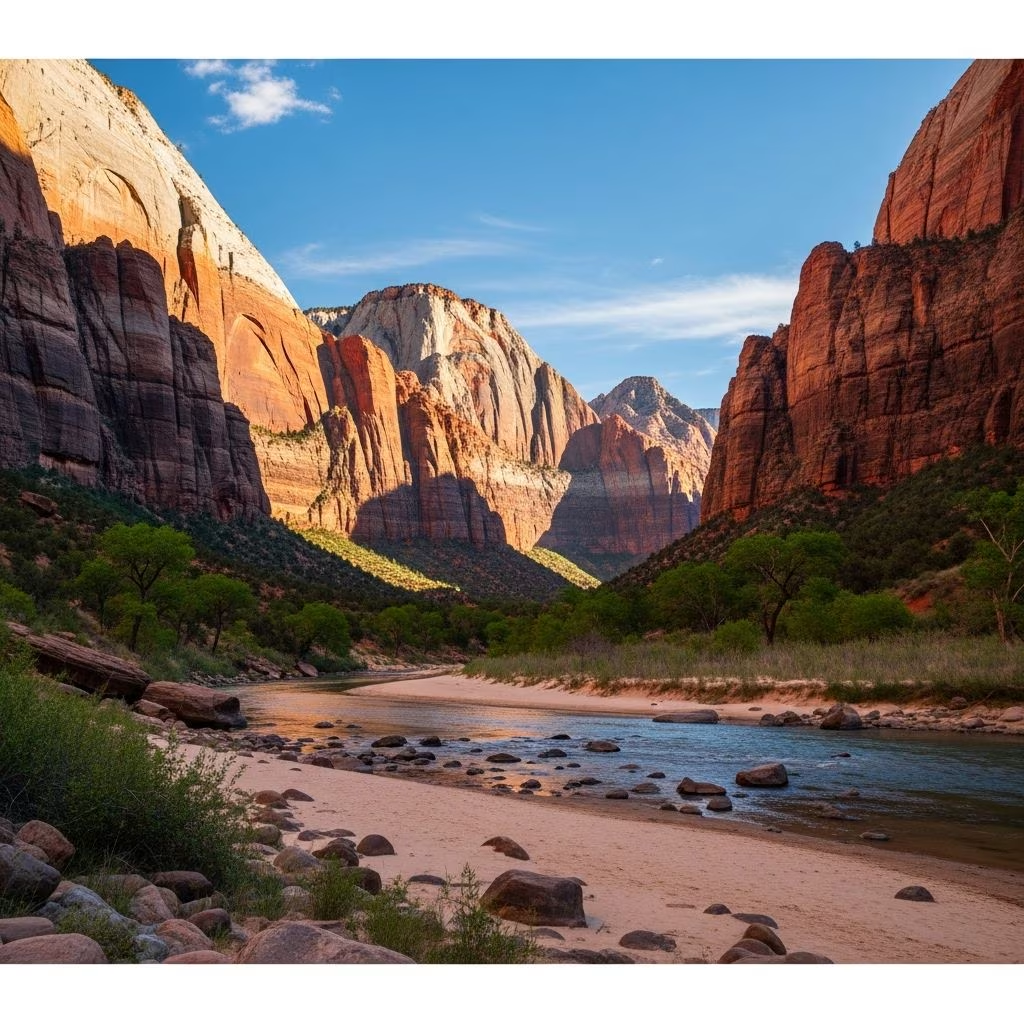
Zion National Park in southwestern Utah captivates millions with its towering sandstone cliffs, slot canyons, and diverse ecosystems. Choosing the right time to visit hinges on your priorities, such as crowd levels, weather conditions, trail accessibility, and scenic highlights. Late spring through early fall often strikes the best balance for most travelers, offering pleasant temperatures and open facilities.
Zion’s desert climate features over 300 sunny days annually, but elevations from 3,600 to 8,700 feet create microclimates. Canyon floors swelter in summer, while higher rims chill in winter. Precipitation risks flash floods year-round, especially in narrow canyons like The Narrows. Visitor numbers peak from May to September, with quieter periods in winter.
March through May transforms Zion into a verdant paradise as snowmelt swells the Virgin River, powering impressive waterfalls like those along Emerald Pools trails. Temperatures range from daytime highs of 60-80°F (15-27°C) to chilly nights around 30-40°F (-1-4°C).
Wildflowers blanket meadows and hillsides starting mid-April, drawing photographers and nature enthusiasts. Trails like Watchman or Pa’rus offer easy access to these displays without the summer heat. However, high river flows may close The Narrows until late May, and early spring storms can bring mudslides.
| Month | Avg High (°F) | Avg Low (°F) | Key Attractions | Crowd Level |
|---|---|---|---|---|
| March | 62 | 34 | Waterfalls peak | Low |
| April | 72 | 41 | Wildflowers emerge | Medium |
| May | 82 | 49 | Narrows opens late | Medium-High |
Shuttle service typically begins mid-March, easing canyon access. Pack layers and rain gear for variable weather. Spring suits hikers seeking fewer people and dramatic water features.
June to August draws the largest crowds, as families vacation and all facilities operate fully. Daytime highs soar to 90-100°F (32-38°C) in the canyon, with lows around 60-70°F (15-21°C). Extended daylight supports early starts for strenuous hikes like Angels Landing or Observation Point.
The Narrows shines here, with stable water levels ideal for wading its length. Ranger programs, stargazing, and canyoneering thrive under clear skies. To combat heat, hydrate excessively, apply sunscreen, and hike before 10 AM or after 4 PM. Afternoon thunderstorms pose flash flood dangers—monitor forecasts rigorously.
Shuttle lines form by 8 AM; arrive at 6 AM for popular trails. East entrance avoids some congestion for Kolob Canyons exploration. Summer demands preparation but rewards with full park access.
September to November is prime for balanced experiences: highs of 70-90°F (21-32°C) cooling to 40-50°F (4-10°C) nights. Crowds thin post-Labor Day, especially mid-September to late October, when all major trails remain open.
Golden cottonwoods and red maples line the Virgin River by late October, peaking in Zion Canyon into early November. Higher elevations color first. Mild conditions perfect multi-day itineraries, including Angels Landing permits obtained easily outside peak summer.
Fewer visitors mean serene sunsets and shorter waits. Watch for early snow at higher trails like West Rim. Fall excels for photography and immersive hiking.
| Month | Avg High (°F) | Avg Low (°F) | Highlights | Crowd Level |
|---|---|---|---|---|
| September | 90 | 55 | Crowds decrease | High-Medium |
| October | 78 | 45 | Peak foliage | Low-Medium |
| November | 62 | 30 | Quiet trails | Low |
December to February offers the park’s quietest months, with highs in the 40s-50s°F (4-13°C) and lows dipping to 20s°F (-7°C). Snow dusts rims and occasional flurries grace the canyon, creating ethereal scenes for solitude seekers.
Many trails remain hikeable, though chains may be required for vehicles on steep roads. The Narrows closes due to ice, but easier paths like Riverside Walk provide winter beauty. Visitor centers operate reduced hours; shuttles run weekends only.
Ideal for photography, snowshoeing, or avoiding lines entirely. Midweek visits maximize peace. Prepare for cold with proper gear—hypothermia risks rise on wet trails.
Zion welcomes over 4 million visitors yearly, fourth busiest nationally. Busiest: Memorial Day to Labor Day, weekends, holidays. Quietest: November-February midweek.
Check NPS Zion page for real-time conditions.
Key hikes vary seasonally:
Flash floods threaten slot canyons anytime—avoid if rain threatens. Monsoon season (July-August) heightens risks.
| Season | Must-Haves |
|---|---|
| Spring/Fall | Layers, rain jacket, sturdy boots, bug spray |
| Summer | 4+ liters water/person, electrolytes, hat, trekking poles for Narrows |
| Winter | Crampons, insulated layers, headlamp, hand warmers |
Leave No Trace: Pack out waste, stay on trails.
October: Mild 70s°F days, fall colors, low crowds, full trail access.
No, due to ice and high hazards; best June-September.
Yes, 24/7; services vary seasonally.
Start at dawn, use east entrance, hike evenings.
Check weather, avoid narrow canyons pre-rain, know escape routes.
This guide empowers your Zion trip with season-specific insights for maximum enjoyment and safety. Tailor to your fitness, interests, and flexibility for an epic adventure.
