


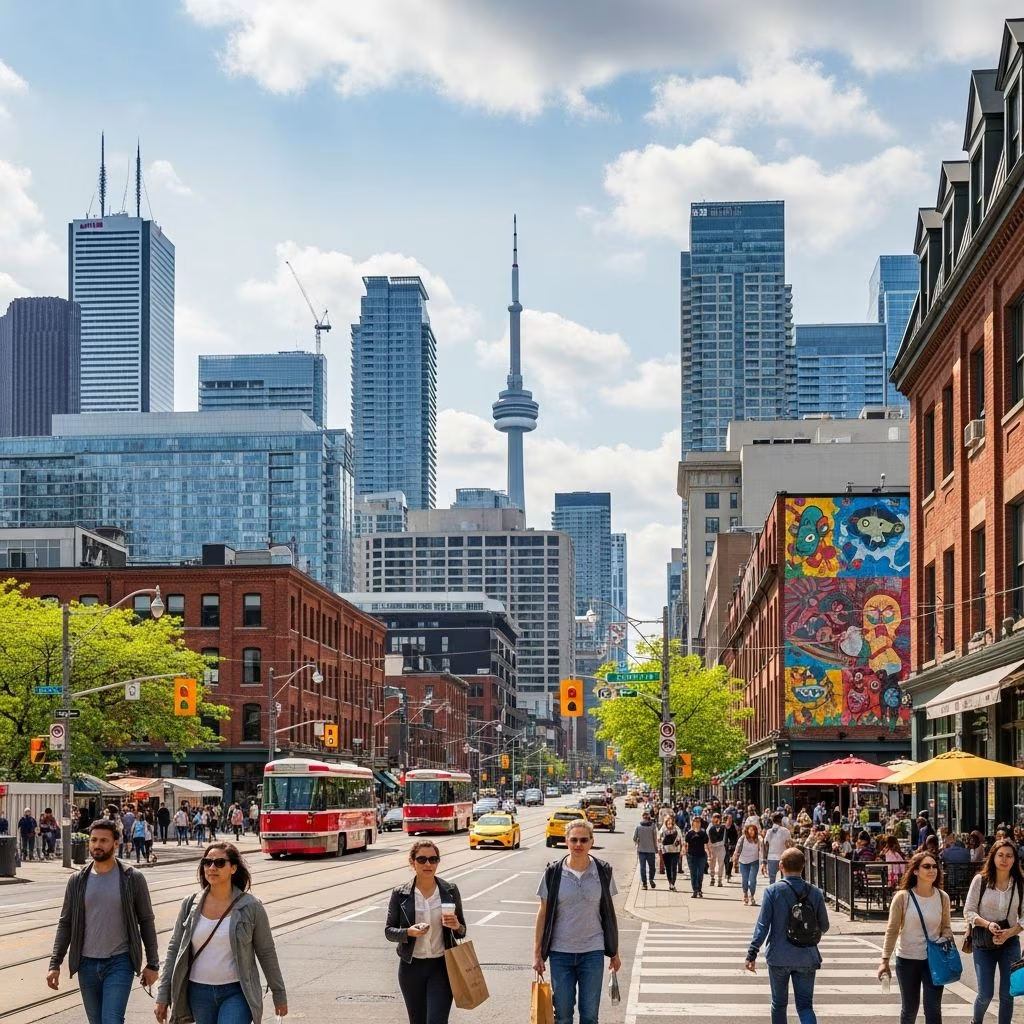
Toronto stands as one of North America’s most dynamic cities, offering a rich tapestry of distinct neighborhoods that cater to virtually every interest and lifestyle. Whether you’re seeking cutting-edge nightlife, peaceful green spaces, authentic international cuisine, or centuries-old architecture, this sprawling metropolis delivers with remarkable diversity. Each district tells its own story through distinctive architecture, local businesses, cultural institutions, and the character of its residents.
The Bustling Downtown Core and Cultural Precincts
At the heart of Toronto’s business and entertainment landscape lie interconnected neighborhoods that form the city’s dynamic core. The Entertainment and Financial Districts represent Toronto’s contemporary identity, where gleaming skyscrapers punctuate the skyline and major cultural institutions draw crowds year-round. This area thrives as the epicenter of commerce, theater, and tourism, offering visitors convenient access to world-class hotels and dining establishments. The districts benefit from the remarkable PATH system, an innovative network of underground tunnels that connects buildings throughout downtown, allowing residents and visitors to navigate the core during harsh winter months without venturing outdoors.
Walking through these precincts, visitors encounter Toronto’s major landmarks and performing arts venues, making this area ideal for those seeking cultural immersion. The neighborhood’s infrastructure supports both corporate operations and leisure activities, creating a vibrant 24-hour atmosphere.
Historic Charm and Market Culture in the East
East of Union Station lies one of Toronto’s most evocative and historically significant areas. The Old Town and Distillery District preserves the city’s architectural heritage while serving as a living marketplace and cultural destination. St. Lawrence Market, established in the mid-19th century, continues thriving as a bustling food and commerce hub with over 100 vendors selling everything from fresh produce to artisanal goods.
The Distillery District showcases the city’s industrial past reimagined as a vibrant cultural neighborhood. Its cobblestone streets, 19th-century industrial architecture, and pedestrian-only design create an enchanting atmosphere perfect for leisurely exploration. The district attracts visitors and locals alike to independent galleries, boutique restaurants, and specialty shops housed within beautifully preserved brick structures. During the holiday season, the neighborhood hosts a renowned Christmas Market that draws crowds throughout December.
Cabbagetown, located in East Toronto, represents another treasure trove of architectural preservation. Named after the cabbages cultivated by Irish immigrants who first settled there, this neighborhood boasts the largest continuous area of preserved Victorian housing in North America. Walking through its tree-lined streets reveals narrow Victorian mansions, gated yards, and meticulously maintained historic facades that transport visitors to a bygone era.
Upscale Shopping and Refined Living in Yorkville
North of downtown, Yorkville establishes itself as one of Toronto’s most exclusive and refined neighborhoods. This prestigious area clusters around Bloor Street and features an impressive concentration of upmarket boutiques, Michelin-rated restaurants, and luxury hotels. Yorkville caters to those seeking sophisticated urban living, premium shopping experiences, and high-end culinary destinations. The neighborhood seamlessly blends residential charm with commercial sophistication, attracting both affluent locals and discerning travelers.
Multicultural Dining and Artistic Expression
Chinatown and Kensington Market represent Toronto’s multicultural essence and artistic spirit. Chinatown, with roots extending back to the 1870s, showcases vibrant street-level commerce, authentic restaurants, and cultural institutions serving Toronto’s substantial Chinese community. The neighborhood’s fluorescent-lit storefronts, neon signage, and bustling markets create an immersive sensory experience distinct from other city districts.
Kensington Market embodies artistic creativity and bohemian culture. This designated National Historic Site of Canada celebrates diversity through eclectic shops, vintage clothing retailers, ethnic restaurants, and street performers. The neighborhood’s laid-back atmosphere, street art, and artisan markets create an environment where local artists and international travelers converge, fostering cultural exchange and creative expression.
Queen Street West establishes itself as a trendy shopping and entertainment destination. Known for its boutiques, tattoo studios, restaurants, and bars, this neighborhood attracts fashion-conscious visitors and offers perfect conditions for afternoon strolls and urban exploration. The street pulses with creative energy and contemporary culture, drawing younger crowds seeking authentic Toronto experiences.
Nightlife, Dining, and Contemporary Entertainment
King West Village, formerly an industrial sector, has transformed into Toronto’s premier upscale entertainment district. Now sometimes compared to New York’s SoHo neighborhood, King West pulses with activity centered around rooftop patios, fine dining establishments, and sophisticated nightlife venues. The district’s accessibility via streetcar networks and proximity to cultural attractions like Trinity Bellwoods Park enhance its appeal. Popular establishments range from wine bars like Cibo to craft beer venues such as Bar Hop, accommodating various social preferences.
Waterfront Retreats and Lakeside Experiences
Toronto’s Harbourfront offers a distinct experience as the city’s primary waterfront neighborhood. Stretching along Lake Ontario’s edge at downtown’s southern boundary, Harbourfront provides stunning lake vistas and sunset viewing opportunities. The neighborhood attracts tourists seeking outdoor recreation, waterfront promenades, and lake access. Summer months bring community activities, free concerts, and cultural programming that activate the waterfront. Ferry connections to Toronto Islands depart from this area, offering day-trip opportunities. Urban parks, walking trails, and waterfront restaurants complement the neighborhood’s primary appeal as a scenic recreational destination.
Green Spaces and Residential Character
The Trinity Bellwoods neighborhood and West End prioritize natural beauty and community-oriented living. Trinity Bellwoods Park anchors this leafy residential pocket just west of downtown, providing green space central to neighborhood identity. The area generates excitement through bustling restaurants, bars, creative pop-up markets, and independent boutiques concentrated along Ossington Avenue and Queen Street West. The neighborhood appeals to those seeking active social scenes balanced with urban park access and residential tranquility.
Extending westward, the West End features High Park, one of Toronto’s most significant green spaces, drawing residents and visitors seeking natural environment immersion within urban boundaries. These western neighborhoods prioritize lifestyle quality through accessible parks, diverse dining options, and community gathering spaces.
Residential East End and Cultural Transformation
Across the Don River lies a collection of neighborhoods offering contrasting urban character from downtown’s intensity. East Toronto neighborhoods maintain low-key residential atmospheres, accessible parks, and international cuisine options within a walkable environment. The Evergreen Brick Works, a repurposed 1880s factory transformed into a community hub, exemplifies the East End’s character through hosted markets, musical events, and artistic programming. These untouristy neighborhoods appeal to those seeking authentic local experiences beyond typical tourist circuits.
Neighborhood Comparison Table
| Neighborhood | Primary Character | Best For | Key Attractions |
|---|---|---|---|
| Entertainment & Financial Districts | Corporate/Cultural Hub | Business travelers, cultural events | Theaters, hotels, PATH system |
| Old Town/Distillery | Historic/Artisanal | Architecture enthusiasts, foodies | St. Lawrence Market, galleries |
| Chinatown/Kensington | Multicultural/Artistic | Food exploration, cultural immersion | Ethnic restaurants, street art |
| Yorkville | Upscale/Refined | Luxury shopping, fine dining | Boutiques, Michelin restaurants |
| King West | Contemporary Entertainment | Nightlife, rooftop dining | Bars, restaurants, clubs |
| Harbourfront | Waterfront/Recreation | Sunset views, outdoor activities | Lake vistas, parks, ferries |
| Trinity Bellwoods/West End | Residential/Green Space | Park access, community atmosphere | Parks, boutiques, restaurants |
Frequently Asked Questions
What is the best Toronto neighborhood for first-time visitors?
First-time visitors typically benefit from staying in or exploring the Entertainment District or Harbourfront for convenient access to major attractions, or Old Town/Distillery District for architectural interest and market culture combined with accessibility to downtown areas.
Which neighborhoods offer the most authentic local experiences?
Kensington Market, East Toronto, and neighborhoods like Cabbagetown provide authentic local atmospheres beyond typical tourist circuits, featuring community-oriented venues, local businesses, and residential character.
Where should visitors go for upscale dining and shopping?
Yorkville concentrates luxury boutiques and fine dining establishments, while King West offers contemporary upscale nightlife and dining experiences with a more energetic atmosphere.
What neighborhoods feature significant green spaces?
Trinity Bellwoods Park and High Park in the West End offer substantial natural environments, while Harbourfront provides waterfront recreational opportunities and the East End features accessible parks within residential areas.
Which areas should I visit for international cuisine?
Chinatown offers authentic Asian dining, Kensington Market provides diverse ethnic restaurants, and the East End features varied international cuisine reflecting neighborhood diversity.
Strategic Exploration Tips
- Use the PATH system during winter months to navigate downtown comfortably
- Combine waterfront and downtown exploration for optimal daylong itineraries
- Visit Distillery District during December for the seasonal Christmas Market experience
- Plan evening activities in King West or entertainment district for nightlife access
- Allocate time for leisurely neighborhood strolls to absorb local character authentically
- Take advantage of streetcar networks connecting western neighborhoods efficiently
- Balance touristy destinations with East End neighborhoods for varied perspectives
Conclusion: Toronto’s Neighborhood Mosaic
Toronto’s neighborhoods collectively create a remarkably diverse metropolis appealing to virtually every traveler preference and lifestyle requirement. From historic architectural treasures to contemporary entertainment hubs, multicultural food destinations to serene green spaces, the city offers distinct experiences within each district. Whether seeking cultural immersion, culinary adventures, nightlife excitement, or peaceful natural environments, Toronto’s neighborhood variety ensures memorable urban exploration. The city’s accessibility through connected transportation systems, walkable streetscapes, and concentrated attractions within distinct areas make comprehensive neighborhood exploration achievable even for time-limited visitors. Understanding each neighborhood’s unique character enables travelers to construct personalized Toronto experiences reflecting their individual interests and preferences.
References
- 10 Best Neighborhoods in Toronto — Amateur Traveler. 2024. https://amateurtraveler.com/best-neighborhoods-in-toronto/
- 8 of the best neighborhoods in Toronto — Lonely Planet. 2024. https://www.lonelyplanet.com/articles/best-neighborhoods-in-toronto
- A guide to Toronto’s neighbourhoods — Canadian Affair. 2024. https://www.canadianaffair.com/blog/guide-torontos-neighbourhoods

