

 Travel Essentials
 Travel Essentials

Discover Bolivia's top trekking adventures from high-altitude mountain climbs to ancient trails through diverse ecosystems and archaeological wonders.
 Travel Essentials
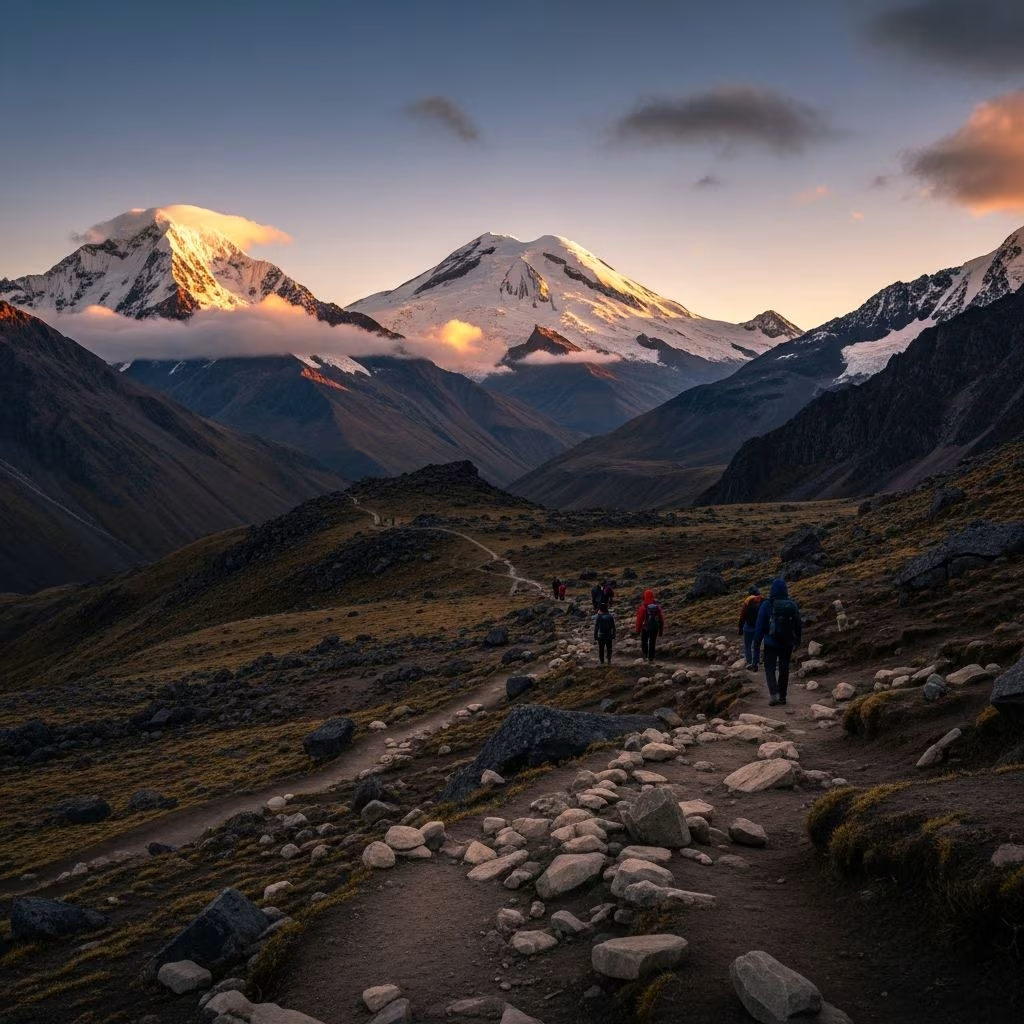
Bolivia stands as one of South America’s most compelling destinations for trekkers and mountaineers seeking authentic high-altitude experiences. The country’s geographic diversity—ranging from snow-capped peaks exceeding 6,000 meters to lush tropical valleys and dramatic canyonlands—creates an extraordinary playground for outdoor enthusiasts. Unlike more heavily trafficked hiking regions on the continent, Bolivia’s trails offer a sense of discovery combined with manageable accessibility for adventurers of varying skill levels. The nation’s trekking opportunities showcase dramatic elevation changes, pristine natural environments, and deep cultural connections to pre-Columbian heritage.
The geography of Bolivia presents unique challenges and rewards for hikers. Positioned in the heart of the Andes, the country features mountainous terrain that rivals the Himalayan landscape in majesty and scale. What distinguishes Bolivian trekking from other Andean destinations is the remarkable contrast between zones. Where traditional alpine environments feature sparse vegetation and rocky terrain, Bolivia surprises hikers with unexpected rainforests emerging at lower elevations. This ecological juxtaposition means trekkers can experience dramatic climate and vegetation shifts within a single journey.
The altitude factor significantly influences trekking experiences throughout Bolivia. Most major trails operate between 4,000 and 5,500 meters above sea level, with several peaks reaching 6,000 meters or higher. This elevation requires proper acclimatization strategies and physical preparation, yet the accessibility of non-technical routes makes Bolivian peaks achievable for determined beginners with appropriate guidance and conditioning.
One of Bolivia’s most celebrated trekking experiences involves following ancient pre-Hispanic pathways that have served communities for centuries. This 60-kilometer route descends dramatically from high alpine zones near La Cumbre down through ecological zones to lush jungle environments. Beginning at elevations exceeding 4,900 meters where snow-capped peaks dominate the landscape, hikers experience a complete transformation as they progress toward tropical rainforest altitudes around 1,300 meters.
The appeal of this trail lies in its accessibility and remarkable diversity. Requiring only two to three days to complete, the route remains substantially downhill throughout, making it manageable even for those without extensive mountaineering experience. Local communities positioned along the trail provide hospitality, serving traditional cuisine and offering both covered and open-air accommodation options. Hikers encounter fascinating historical remnants including hanging bridges and traces of pre-Columbian infrastructure that contextualize the landscape within Bolivia’s rich indigenous heritage.
The ecological range creates exceptional opportunities for naturalists and bird enthusiasts. The variety of distinct ecosystems encountered during the descent supports diverse avian species, making this trail particularly rewarding for ornithological observation. Hikers should consider bringing trekking poles to reduce knee strain during the extended descent, as the predominantly downhill nature of the route creates repetitive impact on lower joints.
Located approximately three hours from Cochabamba, a protected parkland covering 165,000 square kilometers contains some of Bolivia’s most remarkable geological and archaeological features. This region showcases an intricate network of canyon systems, towering rock formations, cascading waterfalls, and remarkably preserved dinosaur fossil traces embedded in stone. The terrain presents as a petrified landscape frozen in time, with multiple trekking options accommodating different timeframes and physical capabilities.
The park’s trail system ranges from brief four-hour walks to comprehensive four-day expeditions, allowing visitors to customize their experience according to fitness level and time availability. The geology tells a dramatic story spanning millions of years, while archaeological evidence reveals human occupation and interaction with this distinctive landscape. The combination of natural wonders and historical significance creates a uniquely enriching trekking experience that differs substantially from pure mountain climbing adventures.
Huayna Potosí represents the most frequently attempted glaciated peak in the region near La Paz. Rising to 6,088 meters, this snow-covered mountain presents a compelling challenge that balances technical difficulty with accessibility for climbers lacking extreme mountaineering experience. From its summit, successful climbers witness panoramic vistas encompassing ice-blue glaciers, the distinctive ridges of the Cordillera Real range, and the expansive waters of Lake Titicaca stretching across the landscape.
The ascent typically requires two days and is classified as non-technical, meaning climbers traverse steep sections and unpredictable weather without requiring specialized rock climbing expertise. However, this designation should not minimize the genuine challenges involved. The combination of altitude exposure, rapidly changing weather patterns, and physical exertion demands serious preparation. Engaging an experienced mountaineering guide becomes essential, not optional, for safe execution.
The climbing popularity stems partly from the mountain’s reputation as one of the world’s most achievable 6,000-meter peaks, earning recognition as the “easiest” peak in this altitude class globally. Despite this characterization, the experience remains genuinely challenging and rewarding. Successful summits provide transformative experiences and significant personal achievements for participants.
The Illampu circuit represents one of Bolivia’s most demanding yet spectacular trekking experiences. Departing from the village of Sorata and spanning 110 kilometers, this seven-day expedition traverses the Cordillera de Los Andes massifs, including the prominent peaks of Ancohuma and Illampu. The route navigates multiple high passes, with elevations consistently ranging between 4,000 and 5,000 meters, pushing participants to their physical and mental limits.
This trek demands serious preparation and physical conditioning. Night temperatures plummet below -10 degrees Celsius, creating harsh alpine conditions that test both equipment and individual resilience. The difficulty rating places this adventure beyond beginner capability, requiring previous high-altitude experience and mountaineering knowledge. Those completing this circuit gain profound satisfaction from conquering one of the continent’s most challenging high-altitude trekking routes.
Valle de las Ánimas, or Valley of the Souls, derives its evocative name from distinctive towering rock formations that rise like monuments from the valley floor. Covering approximately 25 square kilometers, this geological formation creates an otherworldly landscape that visitors consistently describe as sacred and spiritually significant. The rock spires create shadows and perspectives that inspire contemplation and wonder.
The valley offers multiple hiking options accommodating different ability levels. The most popular route involves a moderate four-hour hike suitable for reasonably fit individuals without technical climbing experience. However, even the shortest walks here present challenges related to elevation, as the valley sits at 4,000 meters above sea level. Altitude affects breathing and physical exertion differently for each individual, making personal pacing and adequate hydration essential considerations.
The Cordillera Real mountain range represents an unrivaled trekking destination within South America. This 125-kilometer span of glaciated peaks rises southeast of Lake Titicaca and remains visible from La Paz on clear days. The range offers superior advantages for high-altitude enthusiasts seeking authentic mountain experiences without the crowds encountered in more internationally famous Andean destinations. The options range from single-day hikes to comprehensive traverses spanning 17-20 days, allowing flexibility in trip planning and experience selection.
Beyond the Cordillera Real, Bolivia’s Altiplano region presents entirely different trekking opportunities. This high plateau landscape encompasses approximately 600 kilometers of backcountry trails characterized by salt flats, active volcanoes, otherworldly rock formations, and uniquely colored lakes. Multi-week expeditions through this region reveal a landscape transformed into alien terrain, offering experiences fundamentally different from typical mountain climbing.
High altitude represents the primary physical challenge across most Bolivian treks. Even “easy” trails occur at elevations causing physiological stress for lowland-adapted hikers. Successful trekking requires thoughtful acclimatization strategies rather than attempting rapid ascents. Spending time at intermediate elevations before attempting major peaks allows the body’s physiology to adapt gradually.
Acclimatization hikes serve dual purposes—both allowing physical adaptation and enabling assessment of individual altitude tolerance. Day hikes to alpine lakes at 5,000 meters from La Paz provide valuable preparation for more demanding adventures. Tour operators in La Paz commonly offer affordable acclimatization hikes lasting a single day, with package costs including transportation, professional guidance, and meals. These preliminary experiences reduce risks significantly for subsequent high-altitude expeditions.
Bolivia’s trekking seasons reflect distinct wet and dry periods affecting trail conditions, weather reliability, and accessibility. The dry season generally provides more stable weather and better trail conditions, though individual experiences vary based on elevation and specific location. High altitude areas experience dramatically different weather patterns compared to valley environments, requiring flexibility in planning and preparation.
| Trek Name | Distance | Duration | Difficulty | Elevation Range |
|---|---|---|---|---|
| Historic Inca Route | 60 km | 2-3 days | Easy/Moderate | 4,900m – 1,300m |
| Huayna Potosí Climb | 5 km | 2 days | Moderate | 5,000m – 6,088m |
| Canyonlands Park | 33 km | 4 days | Easy | Variable |
| Illampu Circuit | 110 km | 7 days | Difficult | 4,000m – 5,000m |
| Valley of Souls | Various | 4 hours+ | Moderate | 4,000m |
Yes, many routes accommodate beginners, particularly the historic Inca route and valley explorations. However, “beginner-friendly” means physically fit individuals without previous mountaineering experience, not sedentary individuals. Proper conditioning, acclimatization, and professional guidance dramatically improve success rates.
Rapid exposure to high elevations can trigger altitude sickness as the body struggles to process reduced oxygen levels. Prevention strategies include gradual ascent allowing acclimatization, adequate hydration, and consultation with travel medicine specialists regarding pharmaceutical options. Descending to lower elevations provides the most reliable treatment if symptoms develop.
Dry season generally provides more favorable conditions with greater weather stability and clearer visibility. However, weather in high mountains remains unpredictable year-round. Consult current conditions with local operators before finalizing trip dates.
Most Bolivian peaks, including Huayna Potosí, are classified as non-technical, meaning previous mountaineering experience is unnecessary. However, this does not mean the climbs are easy—proper physical conditioning and professional guide services remain essential.
La Paz serves as the primary gateway for Bolivian trekking adventures. Many treks depart directly from or near the city, with transportation arrangements easily coordinated through tour operators. This central location greatly simplifies logistics for international visitors.
Bolivia presents extraordinary trekking opportunities for adventurers seeking authentic mountain experiences. The combination of technical climbing opportunities, geological wonders, ecological diversity, and cultural richness creates compelling reasons to explore this underrated destination. Whether undertaking a two-day descent through ancient pathways, summiting glaciated peaks, or exploring otherworldly canyonlands, Bolivia delivers transformative mountain adventures that remain accessible to dedicated adventurers of modest experience levels. Proper planning, adequate conditioning, and respect for altitude ensure memorable experiences in one of South America’s most spectacular trekking regions.
