

 Travel Essentials
 Travel Essentials

Explore the best US national parks for spotting diverse wildlife, from grizzlies in Alaska to alligators in Florida, with tips on prime locations and seasons.
 Travel Essentials
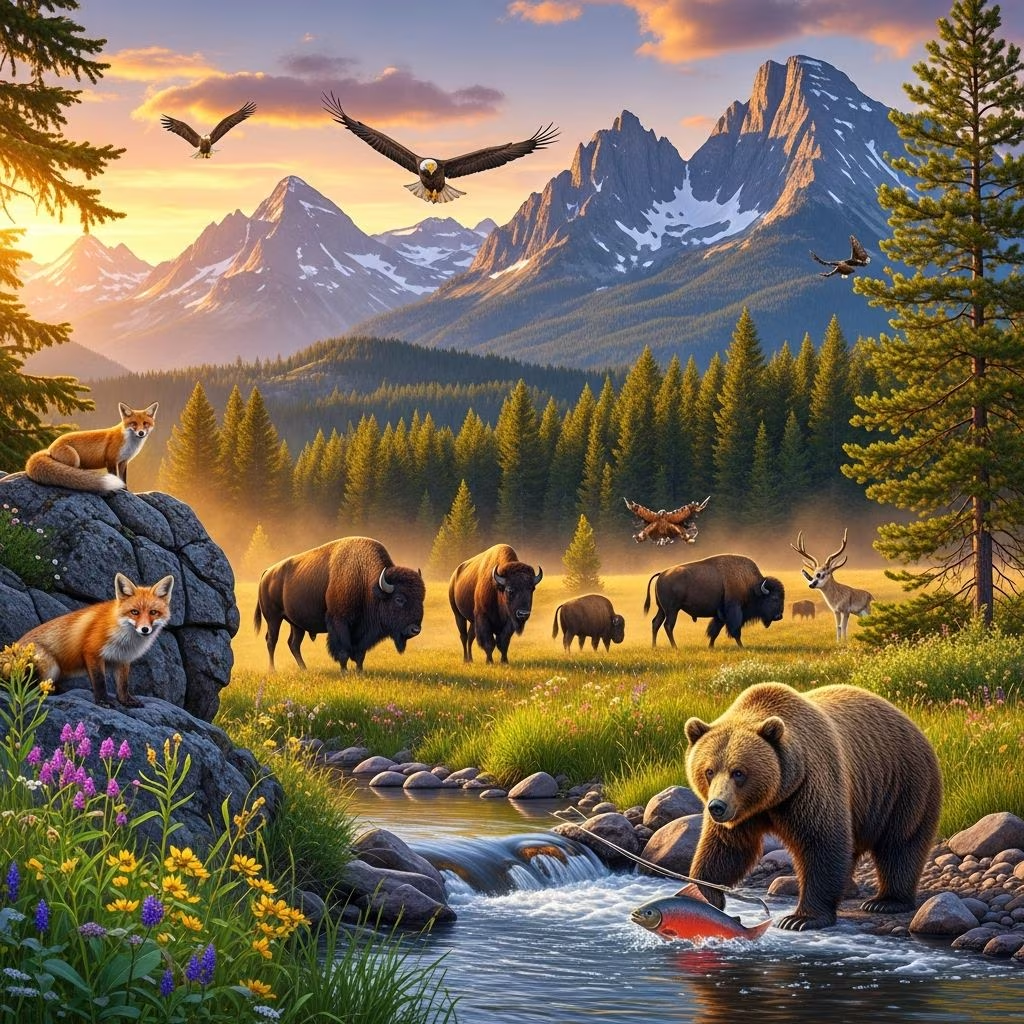
United States national parks serve as vital sanctuaries for a staggering array of wildlife, preserving habitats where visitors can observe animals in their natural environments. These protected areas host everything from massive grizzly bears and elusive wolves to colorful birds and ancient reptiles, drawing millions annually for immersive nature experiences. Recent analyses highlight parks excelling in biodiversity and accessibility for sightings, making them ideal for photographers, families, and adventure seekers alike.
National parks protect over 84 million acres across the US, fostering ecosystems where species thrive without human interference. Factors like varied terrain—from alpine meadows to coastal wetlands—support rich fauna. Visitor infrastructure, such as scenic drives and guided tours, enhances spotting chances while emphasizing ethical viewing practices like maintaining distance and avoiding feeding. Studies show parks with high mammal densities, like those in Alaska and the Rockies, top lists for memorable encounters.
Alaska dominates wildlife rankings due to its remote wilderness and abundant large mammals. Two standout parks here offer prime bear viewing and iconic North American species.
Lake Clark National Park and Preserve boasts one of the densest brown bear populations, with coastal areas teeming during salmon runs. Spots like Chinitna Bay and Silver Salmon Creek provide safe viewing platforms where bears fish and forage. Beyond bears, arctic grayling and rainbow trout lure anglers, while moose roam interior forests. Summer visits align with peak activity, but floatplane access is often required for remote bays.
Denali National Park mirrors an African safari with its ‘Big Five’: grizzlies, moose, wolves, caribou, and Dall sheep. Park roads facilitate sightings, especially wolves in the northern reaches. Birders spot golden eagles and 160 other species soaring overhead. Established to safeguard these populations, Denali’s vast tundra rewards patient observers during summer bus tours.
The Rocky Mountains host charismatic ungulates and predators, with accessible trails and roads amplifying viewing opportunities.
Renowned for ‘Elktober,’ Rocky Mountain National Park’s fall rut features bugling elk displays across meadows. Bighorn sheep scale cliffs, while pikas and marmots inhabit alpine zones. Trail Ridge Road offers panoramic vistas for spotting mule deer and occasional black bears.
Grand Teton National Park shelters 61 mammal species amid jagged peaks. Moose frequent willow-lined streams, bison herds graze valleys, and pronghorn dash across sagebrush. Snake River overviews yield otter and beaver sightings, with birds like osprey diving for fish. Dawn and dusk patrols maximize encounters.
As the first national park, Yellowstone spans three states and draws over three million visitors yearly for its geothermal wonders and thriving fauna. Lamar Valley, dubbed the ‘Serengeti of North America,’ concentrates bison, bears, wolves, and elk along Highway 212. Tower-Roosevelt area’s Agate Creek hosts pronghorn and bighorn sheep, while Mount Washburn overlooks provide sheep panoramas. Paved roads enable easy auto-touring.
Southern parks contrast northern cold with subtropical diversity, featuring rare endemics and reptiles.
The most visited park, Great Smoky Mountains, welcomed 12.1 million in 2020 for its black bears, reintroduced elk, and whitetail deer. Synchronous fireflies add bioluminescent magic, but mammals dominate with over 65 species. Cades Cove loop road is a top bear and deer spot.
Everglades National Park’s mangrove trails and airboat routes reveal American crocodiles, alligators, manatees, and elusive Florida panthers. Wading birds flock in vast wetlands, making it a birdwatcher’s paradise. Anhinga Trail guarantees close-up alligator views.
Timing transforms sightings. Use this table for peak seasons:
| Park | Best Season | Target Species |
|---|---|---|
| Denali | Summer | Wolves, Grizzlies, Caribou |
| Yellowstone | Spring-Fall | Bison Calves, Wolves |
| Rocky Mountain | Fall | Elk Rut |
| Great Smoky | Summer | Black Bears, Fireflies |
| Everglades | Winter Dry Season | Alligators, Panthers |
Spring births and fall migrations concentrate animals near roads.
To minimize impact:
Apps like iNaturalist aid identification and citizen science contributions.
Book permits for backcountry or bus tours in advance, especially in high-demand parks like Yellowstone. Lodging ranges from campgrounds to lodges; consider shoulder seasons for fewer crowds. Weather varies wildly—pack layers and rain gear. Entry fees apply, with annual passes saving costs for multiple visits.
Lake Clark and Katmai in Alaska lead for grizzlies, with accessible viewing sites during salmon season.
Yes, with designated viewing areas and educational programs, but supervise closely and follow safety guidelines.
Denali and Yellowstone offer the best odds, particularly Lamar Valley, though they remain elusive.
Great Smoky Mountains tops with unparalleled plant and animal variety.
Not always, but rangers and tours boost success and ensure ethical practices.
