

 Travel Essentials
 Travel Essentials

Explore top U.S. national parks without a car via public transit, shuttles, and tours. From Yosemite's valleys to Zion's canyons, enjoy sustainable access to iconic landscapes.
 Travel Essentials
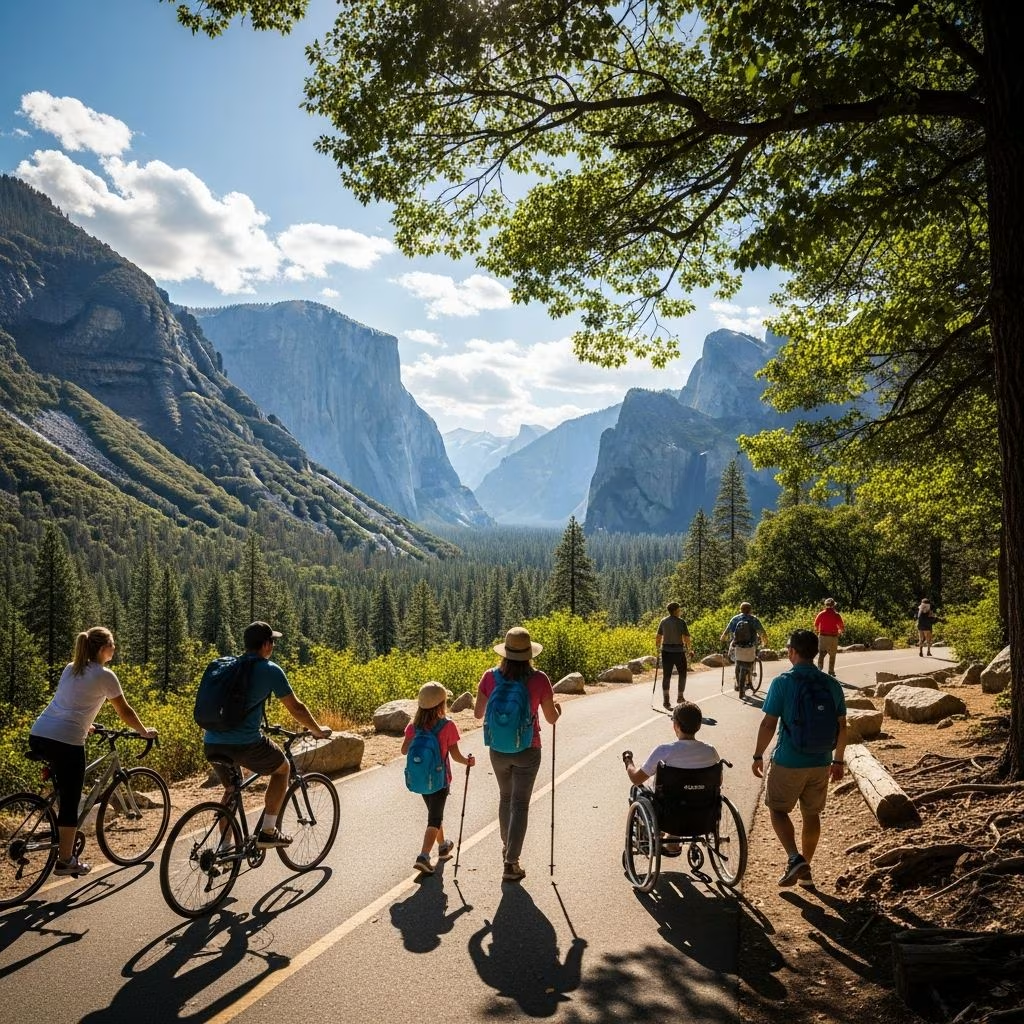
Visiting America’s national parks doesn’t require driving your own vehicle. Many parks offer robust public transportation options, including free shuttles, regional buses, trains, and ferries, making them accessible to solo travelers, budget-conscious adventurers, and those committed to reducing their carbon footprint. This guide highlights key parks, detailed transit routes, and practical tips for seamless car-free exploration.
Public transit to national parks addresses overcrowding, cuts emissions, and enhances the travel experience. Shuttles often provide narrated tours, bike racks, and frequent service, allowing visitors to focus on scenery rather than parking hassles. Parks like Zion banned private cars on key roads in 2000 to manage traffic, proving these systems work effectively. Benefits include lower stress, social interactions with fellow travelers, and environmental preservation—ideal for anyone without a vehicle or preferring sustainable options.
Several national parks have invested in internal shuttles that cover major attractions, often at no cost. These services run frequently, especially in peak seasons, and connect to external buses for full access.
Getting to park entrances is straightforward with coordinated services. Yosemite Area Regional Transportation System (YARTS) links Amtrak/Greyhound stops in Merced to the Valley floor ($22 one-way, ~2 hours). Similar options exist elsewhere:
| Park | Access Service | Details |
|---|---|---|
| Yosemite | YARTS Bus | From Merced (Amtrak), Fresno, Sonora; connects to free valley shuttles. |
| Olympic, WA | Shuttles from Port Angeles | Public transit from Seattle/Victoria BC; guided hikes or Olympic Hiking Co. transfers. |
| Glacier, MT | Free park shuttles | Along 50-mile Going-to-the-Sun Road; bike racks available. |
Island and coastal parks rely on ferries for car-free magic. Channel Islands National Park off California uses Island Packers ferries from Ventura or Oxnard (round-trip ~$60-80, 1-2 hours). Explore sea caves and fox habitats on foot. Dry Tortugas National Park, Florida, requires a Yankee Freedom ferry from Key West (2.5 hours, $200+ round-trip) or seaplane, reaching Fort Jefferson amid turquoise waters.
Denali National Park bans private vehicles beyond mile 15 on its single road. narrated tour buses (comfortable, school-bus style) reach Eielson Visitor Center and Polychrome Pass for Denali summit views. Book in advance via park concessioners; day trips from $60. Amtrak connections via Anchorage make it viable for rail enthusiasts.
Acadia National Park, Maine, offers Island Explorer buses looping Cadillac Mountain, Jordan Pond, and Sand Beach (free, summer-fall). Reach via Concord Coach Lines from Bangor. Rocky Mountain National Park, Colorado, has shuttles on Trail Ridge Road (seasonal) and hiker shuttles; Estes Park shuttles connect from Denver via Bustang buses.
| Park | Transit Cost (Round-Trip) | Duration |
|---|---|---|
| Zion | Free shuttle | 45 min loop |
| Yosemite (YARTS) | $44 | 4 hours RT |
| Denali Bus | $120+ | 4-12 hours |
| Channel Islands Ferry | $120+ | 4-6 hours RT |
Costs beat car rentals/gas, especially solo.
Car-free visits support NPS goals: Zion’s shuttles reduced traffic by 50%. They’re inclusive for non-drivers, seniors, and international visitors. Pro tips: Arrive early, use apps like NPS Recreation.gov for real-time info, and pair with e-bikes where allowed. Solo travelers thrive—shuttles foster connections.
Zion tops lists for its comprehensive free shuttles covering all major sites.
Yes, via Xanterra buses in the Figure Eight loop; Amtrak to nearby towns.
Most are, per ADA standards—check NPS sites for specifics.
Shoulder seasons (spring/fall) for fewer crowds and full shuttle ops.
Amtrak to Merced, then YARTS (~5 hours total).
These car-free options open 400+ parks to more people, blending adventure with responsibility. Plan ahead, and you’ll create lasting memories amid granite cliffs, canyons, and peaks.
