

 Travel Essentials
 Travel Essentials

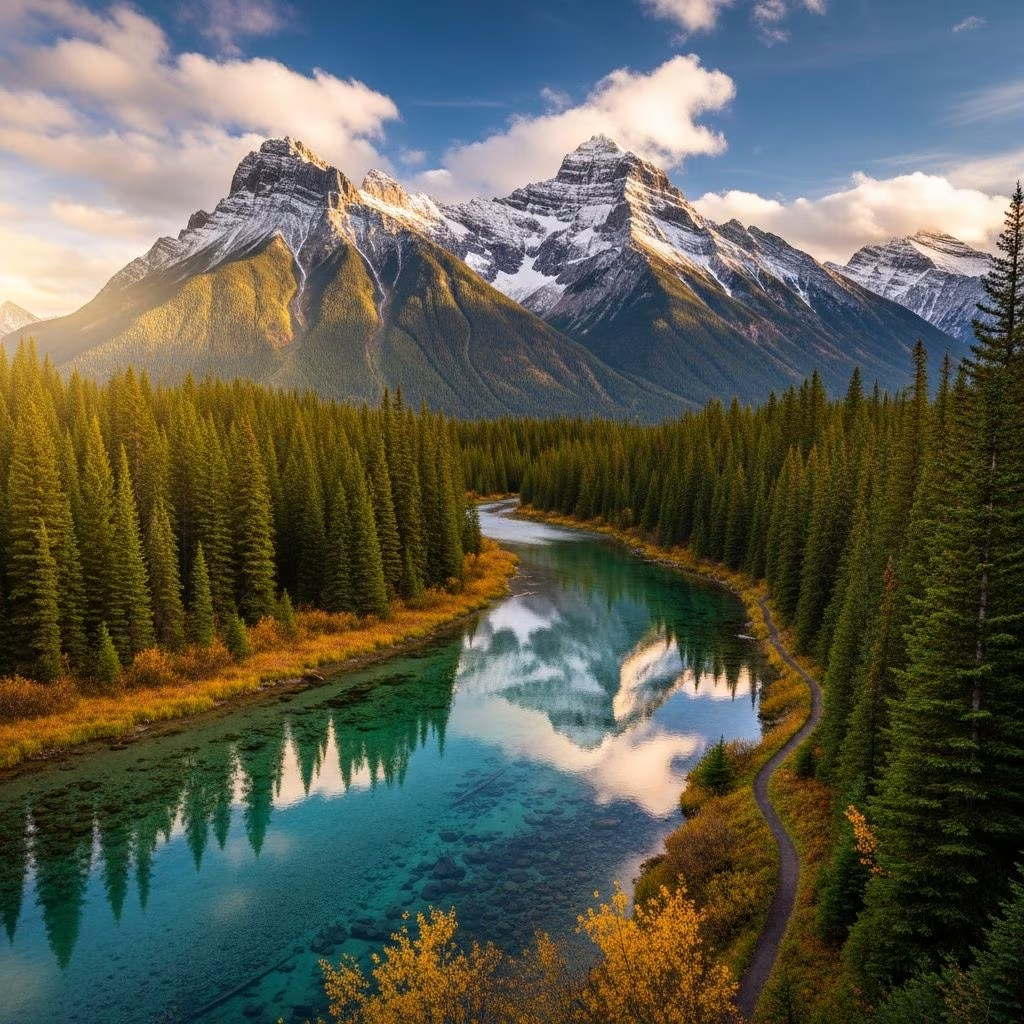
Explore exceptional state parks across America that rival and often exceed national parks in beauty, amenities, and accessibility while providing peaceful alternatives.
 Travel Essentials
When planning a vacation to experience America’s natural wonders, many travelers automatically think of major national parks. However, the nation’s extensive network of state parks offers compelling alternatives that often deliver superior experiences without the overwhelming crowds. These overlooked destinations provide equally breathtaking landscapes, robust recreational opportunities, and a more intimate connection with nature. Whether you seek dramatic canyons, pristine waterfalls, towering forests, or unique geological formations, state parks deliver world-class adventures that rival their more famous counterparts.
State parks represent some of America’s most accessible and well-maintained natural attractions, yet they remain significantly less crowded than their national counterparts. This distinction stems from several factors that make state parks increasingly attractive to discerning travelers. First, state parks typically have lower entrance fees or no fees at all, making outdoor recreation more affordable for families and budget-conscious adventurers. Second, many state parks offer superior infrastructure including well-maintained hiking trails, modern camping facilities, and ranger-led programs that enhance the visitor experience.
The accessibility factor cannot be overstated. State parks are often located closer to population centers than national parks, reducing travel time and associated costs. Additionally, state park management typically focuses on sustainable tourism that balances conservation with visitor experience, resulting in thoughtful development and preservation strategies. These parks showcase diverse ecosystems and geological features across regions, from coastal areas to mountain ranges to desert landscapes.
The northeastern United States hosts remarkable state parks that showcase dramatic waterfalls, verdant forests, and scenic gorges. Visitors seeking waterfall experiences should consider exploring Letchworth State Park in New York, which features multiple cascading waterfalls set within a picturesque valley. The park’s extensive trail system offers opportunities ranging from leisurely strolls to challenging hikes, accommodating various fitness levels and preferences.
Vermont’s Long Trail represents a legendary hiking destination that predates many national park trail systems. This oldest long-distance hiking trail in America spans the state’s mountainous spine, offering hikers access to pristine wilderness and panoramic vistas. Winter enthusiasts can access Killington Mountain and Ski Resort, the largest ski area in the eastern United States, providing world-class winter sports experiences in a state without a national park.
Pennsylvania’s state park system deserves recognition for its exceptional diversity. Cherry Springs State Park offers internationally-accredited dark skies perfect for stargazing and astrophotography, while Ricketts Glen State Park features charming waterfall cascades that rival many national park attractions. Ohiopyle State Park preserves industrial history alongside natural beauty, offering visitors a unique perspective on Pennsylvania’s cultural and natural heritage.
The South’s state parks combine natural beauty with rich cultural history, creating distinctive travel experiences. Alabama’s DeSoto State Park features stunning waterfall hikes, including the picturesque DeSoto Falls, where visitors can experience the region’s water-sculpted landscapes. Russell Cave National Monument provides educational opportunities for those interested in Southeastern anthropological and archeological history, offering insights into prehistoric civilizations that inhabited the region.
Georgia’s Providence Canyon State Park showcases dramatic geological formations through colorful layers of rock and stunning canyon views. These naturally carved canyons rival more famous southwestern destinations while remaining accessible to eastern travelers. Texas’s Palo Duro Canyon State Park features the second-largest canyon system in the United States, offering visitors dramatic red rock formations, excellent hiking opportunities, and camping facilities that accommodate various comfort levels.
The American West contains exceptional state parks that showcase the region’s geological diversity and dramatic landscapes. Utah’s Dead Horse Point State Park features spectacular canyon views and unique rock formations that rival national park attractions while offering a more peaceful experience. The park’s distinctive landscape has served as a filming location for numerous movies and documentaries, testament to its visual splendor.
Colorado’s Eldorado Canyon State Park near Boulder provides world-class rock climbing, hiking, and scenic overlooks within close proximity to Denver. The park’s dramatic sandstone cliffs and lush canyon vegetation create a striking contrast that appeals to both adventure seekers and nature photographers. Idaho’s Ponderosa State Park combines mountain scenery with excellent recreational facilities, including camping, swimming, and water sports opportunities on pristine alpine lakes.
Montana’s Makoshika State Park features badlands geology and dinosaur fossil opportunities, offering visitors insights into the region’s paleontological significance. South Dakota’s Custer State Park encompasses diverse ecosystems including ponderosa pine forests, granite peaks, and pristine lakes, providing comprehensive outdoor experiences within a single destination. Washington’s Deception Pass State Park bridges two islands with dramatic water views, historic structures, and excellent hiking trails.
Oregon’s Silver Falls State Park showcases multiple waterfalls in a relatively compact area, allowing visitors to experience diverse water features without extensive backpacking. The park’s trail system provides varying difficulty levels, making it accessible to families and serious hikers alike. Hawaii’s Waimea Canyon State Park offers volcanic landscapes and tropical scenery, featuring colorful geological formations and panoramic vistas that showcase the islands’ geological processes.
Michigan’s Porcupine Mountains Wilderness State Park preserves extensive old-growth forest alongside pristine lakes and scenic waterfalls. The park provides excellent opportunities for solitude and nature immersion, attracting visitors seeking genuine wilderness experiences away from developed tourism infrastructure.
| Feature | State Parks | National Parks |
|---|---|---|
| Entrance Fees | Typically $0-$15 per vehicle | Usually $25-$35 per vehicle |
| Visitor Crowds | Generally less crowded | Often peak season congestion |
| Camping Availability | More sites often available | Frequently fully booked |
| Facility Maintenance | Well-maintained and modern | Variable maintenance standards |
| Travel Distance | Often closer to urban areas | May require extensive travel |
| Parking Availability | Usually adequate parking | Parking shortages common |
Successful state park visits require minimal planning compared to national park expeditions. Begin by identifying parks located within reasonable driving distance of your home or vacation starting point. Research specific attractions that match your interests—whether waterfall photography, wildlife observation, rock climbing, or peaceful hiking. Most state parks maintain comprehensive websites with trail maps, facility information, and current conditions.
Seasonal considerations significantly impact your experience. Spring and fall typically offer ideal weather and moderate visitor levels, while summer brings peak crowds and potential heat concerns. Winter access depends on location; southern state parks provide year-round accessibility, while northern parks may experience seasonal closures or limited services. Check park websites for specific seasonal information before planning your visit.
Accommodations range from rustic camping to modern cabins, with most state parks offering multiple options at various price points. Advance reservations are recommended during peak seasons but often remain available for spontaneous visitors during shoulder seasons. Pack appropriate gear based on trail difficulty and expected weather conditions, and always inform someone of your itinerary when exploring remote areas.
Yes, many state parks feature comparable natural beauty and unique geological or ecological features. State parks often emphasize specific regional characteristics, providing distinctive experiences that differ from but equal national park attractions.
Most state parks offer campgrounds, picnic areas, ranger stations, and modern restrooms. Infrastructure varies by park, but generally matches or exceeds national park facilities while remaining more affordable.
Absolutely. State parks typically experience significantly fewer visitors than national parks, particularly during weekdays and shoulder seasons. This makes them ideal for visitors seeking peaceful nature experiences.
State parks accommodate all experience levels with trail options ranging from easy walks to challenging hikes. Family-friendly facilities and lower entrance fees make them particularly appealing for family vacations.
Lower visibility and national profile mean fewer tourists. State parks receive less media attention and marketing, resulting in more manageable visitor numbers while maintaining quality experiences.
Choosing between state parks and national parks depends on your priorities. If solitude, affordability, and accessibility rank highest, state parks offer superior value. If you seek iconic landscapes and comprehensive visitor infrastructure, national parks may prove worthwhile despite crowds and expenses. Many travelers benefit from exploring both, creating diverse vacation experiences across multiple seasons and years.
The expanding recognition of state parks’ attractions suggests their growing importance in American tourism. As national parks experience increasing visitor pressure, state parks represent viable alternatives that deliver authentic outdoor experiences while supporting conservation and sustainable recreation practices. Whether you’re a seasoned outdoor enthusiast or casual nature lover, America’s state park system provides exceptional opportunities to connect with natural landscapes, explore unique ecosystems, and create lasting vacation memories without overwhelming crowds or substantial expenses.
