

 Travel Essentials
 Travel Essentials

Discover America’s best theater cities, from Chicago and Philadelphia to St. Louis and San Francisco, with standout venues, seasons, and styles.
 Travel Essentials
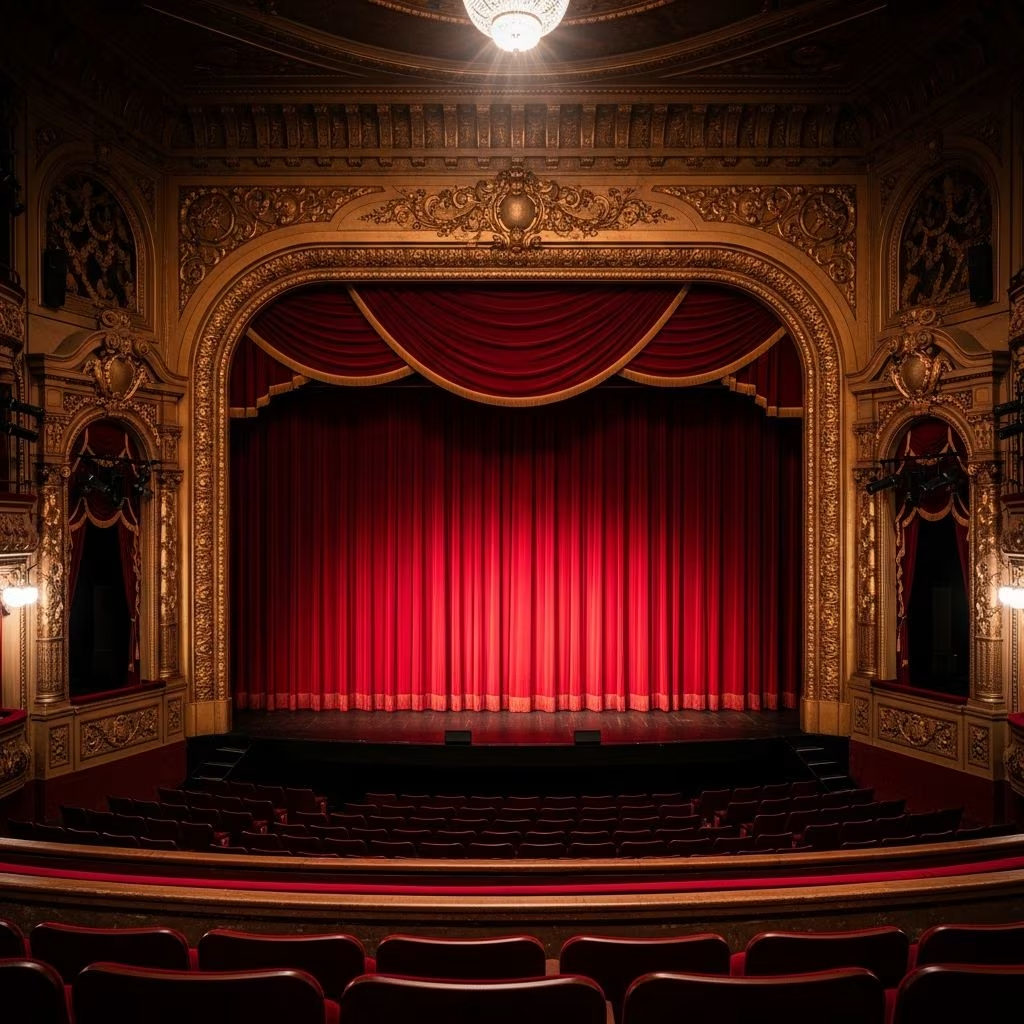
The United States boasts a thriving theatrical landscape that extends far beyond the bright lights of Broadway. Across the nation, vibrant cities have cultivated distinctive performance cultures, attracting thousands of theater enthusiasts annually. From intimate black box theaters to grand historic playhouses, America’s performing arts scene offers diverse opportunities to experience world-class entertainment. Whether you seek classic interpretations of Shakespeare, cutting-edge experimental work, or spectacular musical productions, regional theater destinations provide accessible and often innovative alternatives to the traditional New York theater experience.
The heartland of America supports some of the nation’s most respected theatrical institutions and innovative performance communities. Cities throughout this region have established themselves as cultural hubs where artists and audiences converge to celebrate live performance.
Chicago’s theatrical reputation stems from decades of creative risk-taking and ensemble-based performance traditions. The city’s theater culture experienced significant expansion during the mid-twentieth century with the emergence of groundbreaking groups that fundamentally changed American theater. Today, the city remains synonymous with both commercial and experimental theater productions. The Broadway in Chicago programming organization operates multiple venues throughout the city’s historic Theater District, bringing major touring productions to audiences. The district itself contains legendary performance spaces that continue to host both blockbuster shows and intimate productions. Beyond Broadway productions, Chicago supports numerous independent theater companies and smaller venues that prioritize artistic innovation over commercial appeal, making the city an ideal destination for theatergoers seeking varied experiences.
Minneapolis has emerged as a significant cultural center, particularly known for its diverse theatrical offerings and independent performance venues. The city’s theater infrastructure includes both major institutions and smaller experimental spaces that collectively serve a dedicated audience base. The historic theaters along Hennepin Avenue, known locally as “Theater Row,” represent the city’s rich performance heritage and continue to bring Broadway productions to audiences throughout the region. Beyond the major venues, Minneapolis supports numerous independent theater companies and performance spaces that contribute to the city’s reputation as a dynamic artistic community. The presence of both prestigious regional institutions and scrappy independent companies creates a vibrant ecosystem where artists at all career stages find opportunities to develop their craft.
St. Louis hosts one of the nation’s most distinctive theatrical institutions—The Muny, formally known as the St. Louis Municipal Opera Theatre. This massive outdoor amphitheater represents a unique approach to theatrical presentation, combining large-scale Broadway-style musical productions with an outdoor setting. The venue’s 11,000-seat capacity makes it the largest outdoor musical theater in America by seating capacity, yet the institution remains one of the oldest of its kind, having celebrated its centennial in 2018. The Muny operates during the summer season from June through August, presenting approximately seven Broadway-style musicals annually. Notably, the theater offers nearly 1,500 complimentary tickets to every performance on a first-come, first-served basis, making high-quality musical theater accessible to audiences regardless of economic circumstances.
Washington, DC has cultivated a theater scene distinguished by institutional strength and artistic diversity. The Kennedy Center stands as the city’s most prominent venue for touring Broadway productions and concerts, drawing audiences from throughout the region. However, the city’s theatrical character extends well beyond this singular institution. Specialized companies throughout the city develop distinct artistic identities—some focusing on boundary-breaking experimental work, others on ambitious musical theater productions, and still others on classical interpretations of established works. This institutional variety allows Washington audiences access to multiple artistic perspectives and performance philosophies within a single metropolitan area.
Philadelphia’s theatrical heritage combines centuries-old institutional traditions with vibrant contemporary performance communities. The Walnut Street Theatre stands as a National Historic Landmark and has entertained audiences continuously for over two centuries, representing one of the nation’s most enduring theatrical institutions. Beyond this historic anchor, Philadelphia’s theater scene includes numerous smaller organizations dedicated to experimental and unconventional storytelling approaches. The annual Philadelphia Fringe Festival represents a particularly distinctive element of the city’s performance calendar, hosting over 1,000 performances across a three-week period each September and providing platforms for emerging and experimental artists. Major Broadway productions find homes in architecturally significant venues including the Kimmel Center and the Renaissance-style Academy of Music, while smaller companies throughout the city continue to develop innovative work.
Pittsburgh has developed a robust theater infrastructure combining major institutional venues with emerging performance spaces. The Benedum Center and Heinz Hall serve as the city’s premier destinations for Broadway shows and world-class productions, providing grand theatrical experiences comparable to larger metropolitan areas. Alongside these major institutions, Pittsburgh Public Theater has established itself through high-quality productions of both classical and contemporary plays. Smaller venues including City Theatre and Quantum Theatre contribute to the city’s theatrical ecosystem by showcasing local talent and innovative performance work.
The Dallas-Fort Worth metroplex supports an expansive theater landscape reflecting the region’s cultural ambitions and growing population. The AT&T Performing Arts Center provides a gleaming venue for touring Broadway productions and spectacular shows. Dallas Theater Center, recognized nationally for over fifty years of programming, maintains a commitment to both original productions and reimagined classic works. The metropolitan area’s theatrical offering extends across both cities—Fort Worth maintains its own robust performance community including Casa Mañana and Bass Hall, while smaller companies throughout the region develop more experimental work.
San Francisco’s theater scene balances edgy experimental work with grand-scale productions of classical and contemporary musicals. The city’s theatrical identity includes intimate black box theaters alongside three major venues—The Curran, Orpheum, and A.C.T.—that present glitzy productions of classic and new musicals within walking distance of one another. This proximity of experimental and commercial venues creates an environment where artists and audiences encounter diverse performance approaches within concentrated geographic areas.
Despite Hollywood’s cultural dominance, Los Angeles maintains a vibrant theater scene serving local audiences and developing talent for broader platforms. The Geffen Playhouse and Center Theatre Group provide venues for Broadway-style productions and serve as incubators for developing theatrical work that frequently transfers to larger markets. The presence of substantial entertainment industry infrastructure paradoxically supports rather than hinders theatrical development, as performers and creative professionals throughout the region continue investing in live performance.
American Players Theatre, located in Spring Green, Wisconsin, offers a distinctive theatrical experience centered on classical drama presented in outdoor amphitheater settings. The theater sits on 100 acres of wooded land near the Wisconsin River, approximately one hour west of Madison. The venue’s 1,000-seat outdoor amphitheater operates seasonally from June through November, presenting approximately nine plays annually with programming focused on classical works including Shakespeare, Chekhov, and Molière. Notably, the theater eschews microphone amplification, requiring actors to project their voices naturally while audiences experience performances beneath open skies. Approximately 100,000 people travel annually to this rural Wisconsin location to experience the quality of classical theater presented at this unconventional venue. The 2025 season includes classic works presented in their traditional outdoor format, continuing traditions established when the theater opened in 1980 with a performance of A Midsummer Night’s Dream.
| City | Primary Theater Type | Notable Venues | Performance Season |
|---|---|---|---|
| Chicago | Mixed—Broadway and Experimental | Theatre District multiple venues | Year-round |
| Minneapolis | Regional and Broadway | Hennepin Avenue historic theaters | Year-round |
| St. Louis | Outdoor Musical Theater | The Muny amphitheater | June–August |
| Washington, DC | Institutional and Experimental | Kennedy Center, specialized companies | Year-round |
| Philadelphia | Historic and Contemporary | Walnut Street Theatre, Kimmel Center | Year-round |
| Pittsburgh | Institutional Excellence | Benedum Center, smaller venues | Year-round |
| Spring Green, WI | Classical Outdoor Theater | American Players Theatre | June–November |
| San Francisco | Experimental and Commercial | The Curran, Orpheum, A.C.T. | Year-round |
Different theater destinations operate on varying schedules that should influence travel planning. Some venues, particularly outdoor amphitheaters, maintain strictly seasonal schedules aligned with favorable weather conditions. Indoor theaters in major cities typically operate year-round with varied programming throughout the calendar. Audiences planning trips around specific productions should research performance calendars well in advance, as popular shows frequently maintain limited runs of several weeks or months.
Theater destinations offer programming across multiple price points. Major Broadway touring productions command premium ticket prices comparable to New York-based performances. However, many regional theaters offer substantially lower ticket prices while maintaining artistic quality comparable to commercial productions. Some venues, notably The Muny in St. Louis, distribute complimentary or discounted tickets to ensure access across economic demographics.
Theater destinations frequently attract audiences visiting for multiple cultural and recreational reasons. Cities throughout the nation have developed comprehensive cultural infrastructure including museums, restaurants, and other entertainment venues that complement theater experiences. Extended visits allow audiences to experience multiple productions and cultural attractions within single trips.
Regional theaters maintain permanent artistic companies and develop work specifically for their communities, while Broadway productions are typically touring shows developed in New York. Regional theaters often take greater artistic risks and focus on developing emerging artists and experimental work alongside classical revivals.
Popular productions frequently sell out weeks or months in advance, particularly for touring Broadway shows. Purchasing tickets three to six months ahead provides the best selection and availability. Some venues offer advance subscriptions providing discounted access to entire seasons.
Outdoor venues such as American Players Theatre and The Muny continue performances during light rain but may cancel or postpone during severe weather. Audiences attending outdoor performances should plan accordingly with weather-appropriate clothing and consider purchasing rain insurance if available.
Most theatrical productions run between two and three hours including intermissions. Classical works such as Shakespeare productions frequently extend to three hours or longer. Audiences should verify specific production durations when purchasing tickets.
Most venues provide discounted group rates for parties of eight or more. Group sales departments can be contacted directly to arrange discounted tickets and, frequently, group-specific amenities such as reserved seating and pre-show receptions.
American theater continues evolving as institutions respond to contemporary audiences and artistic developments. Regional theaters increasingly collaborate with Broadway producers to develop new work, blurring traditional distinctions between regional and commercial theater. Enhanced accessibility initiatives, including captioned performances and sensory-friendly presentations, expand opportunities for diverse audiences. Digital technology integration, including streaming capabilities and virtual performances, creates new attendance models while maintaining commitment to live performance as the primary artistic expression.
The American theatrical landscape provides diverse opportunities for audiences to experience live performance across multiple artistic traditions and performance scales. From intimate experimental theaters to grand outdoor amphitheaters, from institutional powerhouses to scrappy independent companies, the nation’s theater scene reflects creative vitality and audience passion for live performance. Whether planning theater-focused trips or incorporating performances into broader cultural tourism, audiences throughout the country have access to world-class theatrical experiences without traveling to New York. Regional theater communities continue developing distinctive artistic identities while maintaining commitment to the fundamental theatrical experience—the transformative encounter between performer and audience in shared physical space.
