


 Food & Culture
Food & Culture
Best U.S. Wine Regions to Visit: Napa, Sonoma, Walla Walla & More
Discover America's top wine regions from established California valleys to emerging destinations, each offering unique terroir, varietals, and tasting experiences.
 Food & Culture
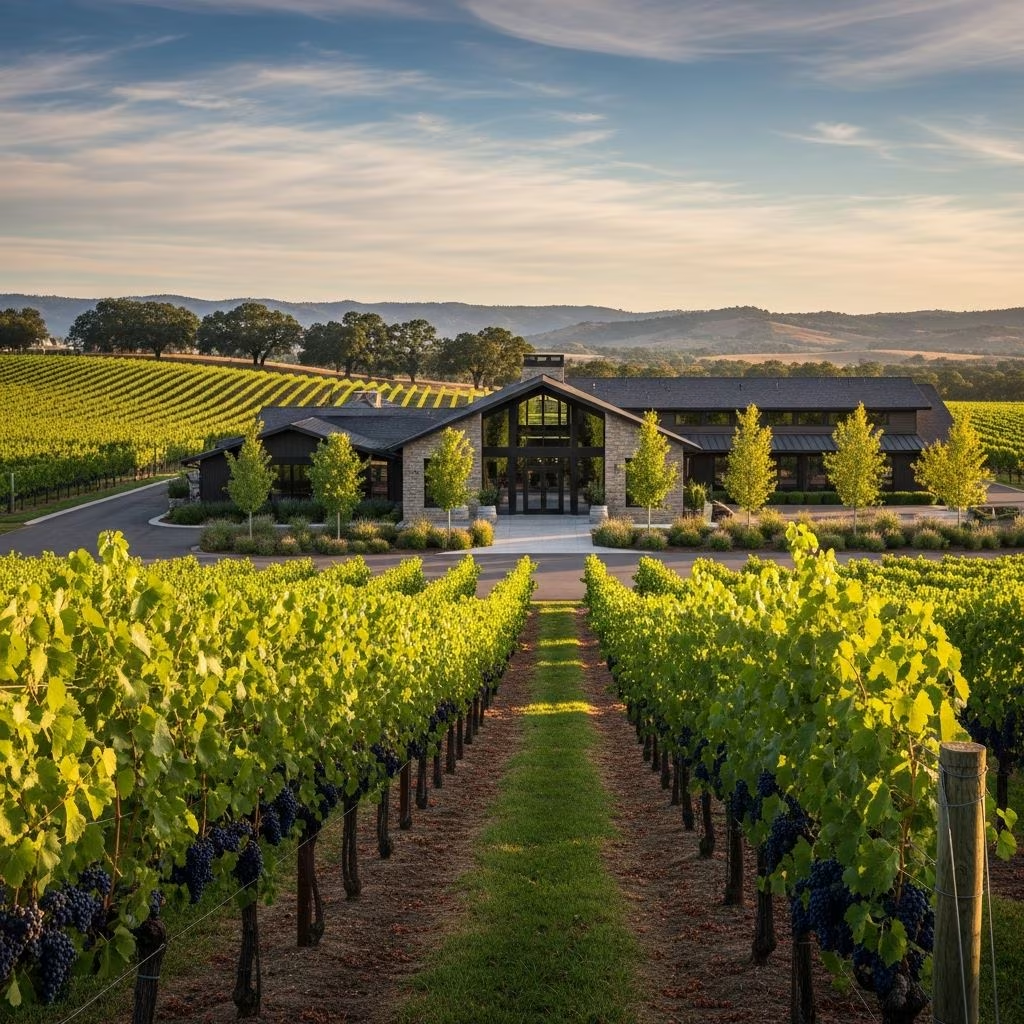
The United States has established itself as a world-class wine producer, with diverse regions offering distinctive terroir and exceptional varietals. From the rolling hills of California to emerging destinations across the country, American wine regions provide travelers with unparalleled opportunities for tasting, learning, and experiencing the craft of winemaking. Whether you’re a seasoned oenophile or discovering wine for the first time, these regions showcase the breadth and quality of American viticulture.
California’s Legendary Wine Valleys
California remains the cornerstone of American wine production, hosting some of the world’s most prestigious vineyards and wineries. The state’s Mediterranean climate, varied microclimates, and diverse soil compositions create ideal conditions for producing world-renowned wines across multiple regions.
Napa Valley’s Premier Status
Napa Valley continues to dominate as one of the most recognized wine destinations globally. This renowned region has cultivated a reputation for excellence through decades of commitment to quality winemaking. The valley’s distinct geographic characteristics and sophisticated tasting infrastructure attract millions of visitors annually. Visitors can explore historic estates, participate in barrel tastings, and dine at world-class restaurants within the valley’s charming towns.
Sonoma County’s Diverse Appeal
Adjacent to Napa, Sonoma County offers a more relaxed atmosphere while maintaining exceptional quality standards. The region encompasses multiple distinct zones, each with specialized production areas. From coastal influences in areas like Russian River Valley to warmer inland regions, Sonoma provides remarkable diversity in both wine styles and visitor experiences. The region is known for producing outstanding Pinot Noir, Chardonnay, and Zinfandel varieties.
Temecula Valley’s Growing Recognition
Located in Southern California, Temecula represents a dynamic wine region that has garnered increasing attention from wine enthusiasts. The region features approximately 3,000 acres of vineyards, with numerous award-winning operations. Temecula’s warm climate and unique terrain produce distinctive wines that reflect the region’s specific environmental characteristics. The area combines wine tasting with broader agritourism experiences, creating a well-rounded destination for visitors.
Central Coast Regions and Their Significance
California’s Central Coast encompasses several important wine-producing areas, each with distinct characteristics and notable contributions to American wine culture.
Paso Robles’ Emergence and Character
Paso Robles has experienced substantial growth as a wine destination, attracting visitors seeking quality wines and authentic experiences. The region’s diverse elevations and soil types support production of both traditional and innovative varietals. The area has developed a reputation for outstanding Cabernet Sauvignon, Zinfandel, and other red wines. Visitors appreciate the combination of wine quality, affordability compared to Napa, and the region’s welcoming community atmosphere.
Santa Ynez Valley’s Distinct Identity
Santa Ynez Valley offers a picturesque wine country experience with its rolling vineyards and charming towns. The region’s varied microclimates support diverse wine production, from cooler-climate Pinot Noir to warm-weather varietals. The valley combines natural beauty with a strong wine culture, offering visitors scenic tasting experiences alongside outdoor recreation opportunities.
Livermore Valley’s Historical Importance
As one of California’s oldest wine regions, Livermore Valley maintains a significant presence in American wine history. The region continues to produce high-quality wines while preserving its heritage and agricultural character. Visitors to Livermore can experience both established wineries and newer operations, providing perspective on the region’s evolution and continued relevance in contemporary winemaking.
Pacific Northwest Excellence
Beyond California, the Pacific Northwest has emerged as a premier wine-producing region with distinctive characteristics and growing international recognition.
Walla Walla Valley’s Concentration of Wineries
Positioned on the Washington-Oregon border, Walla Walla Valley hosts over 130 wineries and tasting rooms, representing Washington State’s highest concentration of wine operations. The region’s geography, shaped by the rugged Blue Mountains, creates diverse microclimates and soil conditions that support varied wine production. Walla Walla has become known for full-bodied red wines including Cabernet Sauvignon, Merlot, and Syrah, alongside white varietals like Chardonnay and Gewürztraminer. The valley’s six distinct districts offer varied tasting experiences, from established estates to boutique operations.
Willamette Valley’s Pinot Noir Heritage
Oregon’s Willamette Valley has established itself as a premier destination for Pinot Noir and other cool-climate varietals. The region’s reputation has grown substantially over recent decades, attracting serious wine travelers seeking exceptional quality. The valley’s natural beauty combined with its wine excellence creates a compelling destination for visitors interested in experiencing Oregon’s viticultural character.
Bainbridge Island’s Unique Position
Washington’s Bainbridge Island offers a distinctive wine tourism experience, combining maritime influences with vineyard operations. The island setting provides visitors with scenic views and a relaxed atmosphere while enjoying quality local wines. This region represents Washington’s more intimate wine destination options.
Emerging and Alternative Wine Destinations
Beyond the established West Coast regions, several emerging areas across America deserve consideration from wine enthusiasts exploring diverse terroir and experiences.
Texas Hill Country’s Growth Trajectory
Texas Hill Country represents one of America’s most rapidly developing wine regions. The area’s distinctive landscape, favorable climate, and growing number of wineries make it an increasingly compelling destination. Visitors to Texas Hill Country experience a unique blend of wine culture with distinctive regional characteristics, offering an alternative to California or Pacific Northwest experiences.
Virginia Wine Country’s Development
Virginia’s wine regions, particularly around Charlottesville and Middleburg, have experienced significant growth and recognition. These areas offer visitors scenic landscapes and quality wines while maintaining a distinct regional character. Virginia’s wine tourism infrastructure continues to develop, providing increasingly sophisticated tasting and hospitality experiences.
Affordable and Accessible Options
Beyond premium destinations, several regions offer excellent value and accessibility for wine enthusiasts. Shawnee Hills in Illinois and Lehigh Valley in Pennsylvania represent emerging destinations that provide quality wines and welcoming experiences at more accessible price points. These regions demonstrate that exceptional wine experiences extend throughout America, beyond traditionally recognized elite areas.
Understanding Regional Wine Characteristics
Each wine region develops distinctive characteristics based on environmental factors, winemaking traditions, and regional focus. Understanding these distinctions helps visitors select destinations matching their preferences and interests.
Terroir and Environmental Factors
The concept of terroir—encompassing soil, climate, and geographic characteristics—fundamentally shapes each region’s wines. Coastal regions benefit from marine influences moderating temperatures and extending growing seasons. Inland areas experience warmer conditions supporting full-bodied red wines. Elevation variations create distinct microclimates within single regions, allowing diverse grape cultivation and wine styles. Visitors who understand terroir can better appreciate regional distinctions and make informed tasting selections.
Varietal Specializations
Different regions have developed specializations based on their environmental suitability for specific grape varieties. California’s diversity supports production across multiple varietals, while Pacific Northwest regions excel with cool-climate grapes. Understanding regional specializations helps visitors focus tasting experiences on wines where regions demonstrate particular excellence.
Planning Your Wine Region Visit
Timing and Seasonal Considerations
- Spring offers pleasant weather and flowering vineyard landscapes
- Summer provides warm conditions and expanded tasting room hours
- Fall harvest season creates dynamic energy and special experiences
- Winter offers fewer crowds and lower accommodation rates
Accommodation and Hospitality Options
Wine regions offer varied accommodation options ranging from luxury resorts to intimate bed-and-breakfasts. Napa and Sonoma provide extensive luxury options, while emerging regions often feature charming local establishments. Many regions offer wine-inclusive packages combining accommodation with tasting experiences and special events.
Transportation and Safety
Designated driver arrangements, wine country shuttle services, and organized tour operators provide safe tasting experiences. Many visitors utilize professional drivers or transportation services to maximize tasting opportunities while maintaining safety. Public transportation options vary by region, with some areas offering trolley services connecting tasting rooms and towns.
Frequently Asked Questions
Which American wine region produces the best wine?
Quality varies by varietal and producer rather than region. California’s Napa Valley and Sonoma maintain prestigious reputations, while Pacific Northwest regions excel with Pinot Noir and other cool-climate varieties. The “best” region depends on personal preferences and varietal interests.
What is the most affordable wine region to visit?
Emerging regions like Texas Hill Country, Shawnee Hills, and Lehigh Valley typically offer more affordable wine and accommodation compared to Napa or Sonoma. These regions provide quality experiences at accessible price points.
How many wineries should I visit during a wine region vacation?
Most visitors find 3-5 tasting rooms per day provides optimal experiences without excessive wine consumption or fatigue. Quality experiences often matter more than quantity, and many regions encourage leisurely pacing.
Are there wine regions outside California and Washington?
Yes, notable regions include Oregon’s Willamette Valley, Virginia wine country, Texas Hill Country, and emerging areas in Pennsylvania, Illinois, and other states. These regions offer distinctive character and quality wines.
What’s the best time to visit wine country?
Late summer through early fall (August-October) offers pleasant weather and active harvest activity, though crowds and prices peak. Spring (April-May) provides pleasant conditions with fewer crowds. Winter offers minimum crowding but cooler weather in most regions.
Wine Region Selection Guide
| Region | Location | Specialty Varietals | Best For |
|---|---|---|---|
| Napa Valley | California | Cabernet Sauvignon, Chardonnay | Premium wines and luxury experiences |
| Sonoma County | California | Pinot Noir, Zinfandel, Chardonnay | Diverse wines and relaxed atmosphere |
| Walla Walla Valley | Washington-Oregon | Cabernet Sauvignon, Merlot, Syrah | Full-bodied reds and concentration of wineries |
| Willamette Valley | Oregon | Pinot Noir, Chardonnay | Cool-climate wines and scenic beauty |
| Paso Robles | California Central Coast | Cabernet Sauvignon, Zinfandel | Quality wines with better value |
| Texas Hill Country | Texas | Varied production | Emerging region with growth and affordability |
Conclusion and Travel Inspiration
America’s wine regions offer extraordinary diversity in wines, experiences, and landscapes. Whether visiting iconic Napa Valley or discovering emerging destinations, wine travelers can experience exceptional quality and hospitality. Each region reflects its unique environmental characteristics, winemaking traditions, and regional culture. From Pacific Northwest coolness to California warmth, and from established luxury experiences to emerging value destinations, American wine country welcomes visitors seeking authentic wine experiences and memorable travel moments. Planning thoughtful visits to these regions allows travelers to appreciate the breadth of American viticulture while creating lasting memories centered around shared appreciation of wine, food, and natural beauty.
References
- The 6 best wine regions in the U.S. — Ambar Estate. https://www.ambarestate.com/the-6-best-wine-regions-in-the-u-s/
- Five surprising US wine regions — Cult Wines United States. https://www.wineinvestment.com/us/learn/magazine/2022/08/five-surprising-us-wine-regions/
- The Best Wine Getaways in the United States — The Blonde Abroad. https://www.theblondeabroad.com/best-wine-getaways-in-the-united-states/
- An Introduction to the Top 10 Wine Regions of the USA — USA Wine Ratings. https://usawineratings.com/en/blog/insights-1/an-introduction-to-the-top-10-wine-regions-of-the-usa-38.htm
- Ten Best US Wine Vacations — Alicia Tenise. https://www.aliciatenise.com/best-us-wine-vacations/
- Best and Most Affordable Wine Regions in the U.S. — HomeToGo. https://www.hometogo.com/media/wine-lovers-index-2023/
- Vineyards of the USA: Regions and Their Wine Particularities — Vineyards.com. https://vineyards.com/wine-region/usa
On This Page
California's Legendary Wine Valleys Central Coast Regions and Their Significance Pacific Northwest Excellence Emerging and Alternative Wine Destinations Understanding Regional Wine Characteristics Planning Your Wine Region Visit Frequently Asked Questions Wine Region Selection Guide Conclusion and Travel Inspiration← Previous
Best Countries to Retire Abroad for US Citizens in 2026
Next →
Best Large Towns for Seniors in 2026
Related Reading
More in Food & Culture
Food & Culture Food & Culture
 Food & Culture
Best Places to Eat in Rome: Neighborhood Dining Guide
 Food & Culture
 Food & Culture