
 Stays
StaysStays
Best Unique Rural Hotels in Japan for Scenic, Authentic Stays
Explore 12 extraordinary off-the-beaten-path hotels in Japan, featuring ryokans with private onsens, restored historic buildings, and cliffside escapes for an authentic adventure.
 Stays
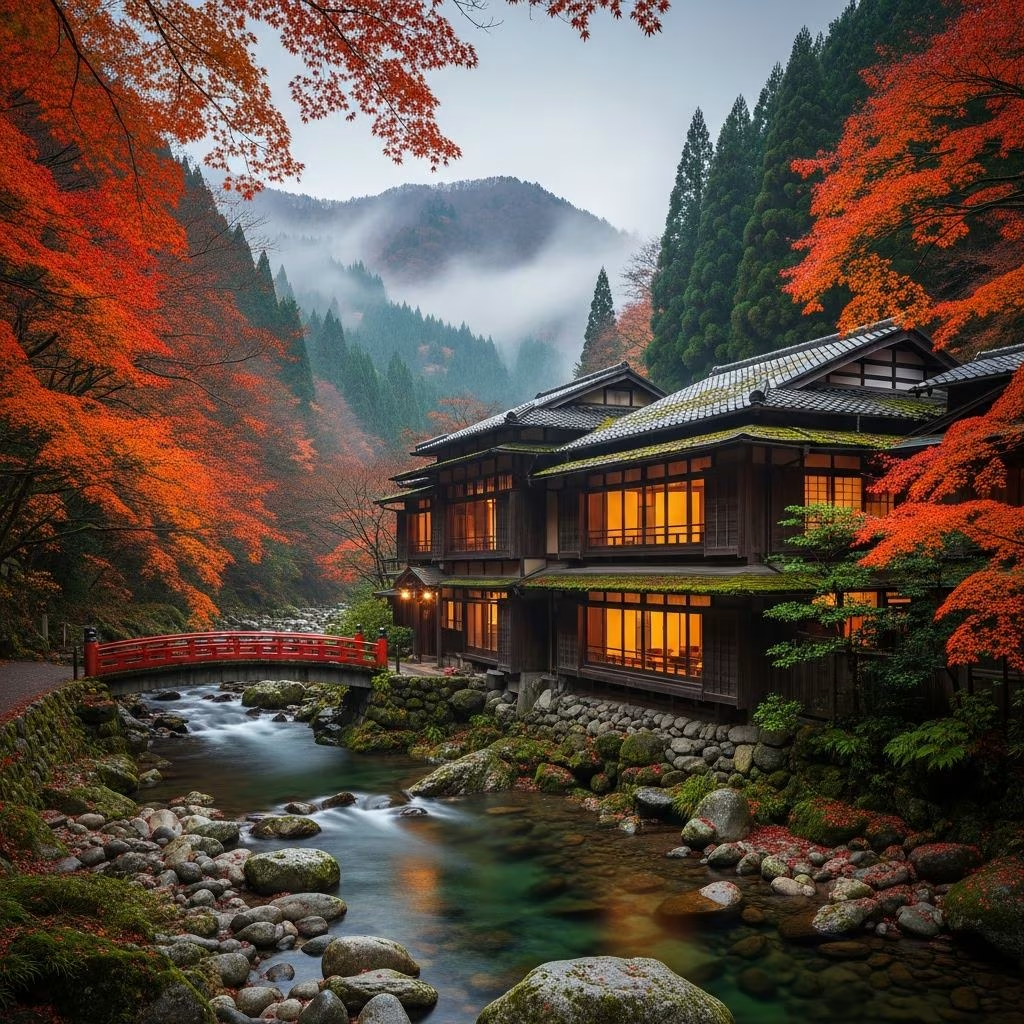
StaysJapan’s countryside hides some of the world’s most captivating accommodations, blending ancient traditions with modern ingenuity. These properties offer travelers a chance to escape urban hustle, immerse in local culture, and enjoy natural beauty through features like private hot springs and artisanal gardens. From cliffside retreats to repurposed historic structures, this guide spotlights exceptional stays that redefine luxury in remote locales.
Why Choose Rural Japanese Hotels?
Staying off the main tourist routes allows for deeper connections with Japan’s diverse landscapes and communities. Rural areas boast pristine onsens—natural hot springs fed by geothermal waters—and ryokans, traditional inns emphasizing hospitality (omotenashi). These spots often feature kaiseki meals, multi-course dinners showcasing seasonal ingredients, and activities like flower arranging or forest bathing. Unlike city hotels, they prioritize tranquility and authenticity.
Accessibility has improved with Japan’s efficient rail network, including the Shinkansen bullet train, making remote areas reachable within hours from Tokyo or Osaka. Many properties cater to international guests with English-speaking staff and tailored experiences.
Seaside Escapes with Dramatic Views
Japan’s coastline harbors dramatic stays where the ocean meets rugged terrain. These hotels leverage their locations for unforgettable vistas and therapeutic baths.
- Izumo Hotel The Cliff: Perched on seaside cliffs, this property offers eight exclusive rooms, each with private terraces and jacuzzis overlooking the Sea of Japan. Guests wake to crashing waves and can unwind in open-air baths.
- Tocen Goshoboh: Near Kobe, this ryokan provides rooms with private balcony onsens. Its garden, library, and grand outdoor bath have hosted dignitaries like Japan’s Emperor. The restaurant excels in Yamaguchi kaiseki, featuring fugu sashimi and lotus root dishes.
These seaside havens combine seclusion with high-end amenities, ideal for couples or nature enthusiasts.
Mountain Retreats and Onsen Sanctuaries
Nestled in forested highlands, mountain ryokans offer healing waters and serene hikes. Gunma Prefecture’s hot springs are legendary for their mineral-rich properties.
- Hoshi Onsen Chojukan: Along the Hoshi River, this historic ryokan exemplifies traditional Japanese living with majestic river views. Secluded paths lead to private baths amid lush greenery.
- Nasu Hideaways: Just 75 minutes from Tokyo by Shinkansen, Nasu’s wooded properties attract the imperial family for summer escapes. Expect woodsy elegance and proximity to volcanic onsens.
These retreats emphasize wellness, with baths believed to soothe ailments from skin conditions to stress.
Innovative Stays in Revived Historic Spaces
Japan addresses akiya—abandoned homes—by transforming them into boutique hotels. This preserves heritage while boosting rural economies.
- Nipponia Sado: On Sado Island off Niigata, this 2024-opened hotel repurposes a storage warehouse. Rooms blend shoji screens, washi lanterns, tatami floors, and earthen walls for a tactile, authentic feel.
- Daikokuya: Features an outdoor art garden, DIY ikebana station for room alcoves, and a communal hearth pavilion. Guests craft floral displays, enhancing their cultural immersion.
Such renovations highlight sustainable tourism, breathing life into depopulated areas.
Floating and Artistic Accommodations
For adventurous souls, Japan offers unconventional designs that push boundaries.
- Guntu: A luxury yacht-ryokan in the Seto Inland Sea, it reimagines floating inns with inn-style rooms on water. Perfect for island-hopping with eclectic hospitality.
- TV Tower Hotel: Uniquely housed inside a television tower, providing one-of-a-kind panoramas and novelty.
These spots appeal to those seeking Instagram-worthy uniqueness alongside comfort.
Comparing Top Rural Hotel Features
| Hotel | Location | Key Feature | Best For |
|---|---|---|---|
| Izumo Hotel The Cliff | Sea of Japan Coast | Private cliffside jacuzzis | Romantic getaways |
| Tocen Goshoboh | Near Kobe | Balcony onsens & kaiseki | Gourmet travelers |
| Hoshi Onsen Chojukan | Gunma Prefecture | Riverside traditional ryokan | Cultural immersion |
| Nipponia Sado | Sado Island | Restored warehouse design | History buffs |
| Guntu | Seto Inland Sea | Floating yacht stay | Adventure seekers |
This table highlights standout attributes, aiding in selection based on preferences.
Practical Tips for Booking Rural Stays
Plan ahead: Popular ryokans book months in advance, especially during cherry blossom or autumn foliage seasons. Use platforms like Booking.com or official sites for reservations. Etiquette includes removing shoes, yukata robe wear, and onsen hygiene—shower before entering.
- Transportation: Shinkansen to regional hubs, then buses or taxis.
- Costs: Expect ¥30,000–¥80,000 per night including meals.
- Seasons: Spring for flowers, autumn for colors, winter for snow onsen.
Experiences Beyond the Room
These hotels curate activities: foraging tours, tea ceremonies, or stargazing. At Daikokuya, the ikebana station lets guests personalize spaces. Nipponia properties often include local artisan workshops, fostering community ties.
FAQs
What is a ryokan?
A traditional Japanese inn focused on hospitality, with tatami rooms, futon bedding, and communal baths.
Do these hotels have private onsens?
Many do, like Tocen Goshoboh and Izumo, ensuring privacy alongside public options.
Are English services available?
Most cater to foreigners with multilingual staff and English materials.
What’s the best time for rural Japan travel?
Autumn (October-November) for foliage or spring (March-May) for sakura.
How to reach Sado Island?
Ferry from Niigata, about 1 hour, with hotel shuttles often provided.
Sustainable Choices in Rural Japan
Opting for these hotels supports local economies and preservation efforts. Properties like Nipponia exemplify eco-friendly reuse, reducing waste from abandoned buildings. Guests contribute by participating in low-impact activities.
Japan’s rural hotels represent a harmonious blend of past and present, offering profound escapes. Whether soaking in a private onsen or dining on kaiseki, these stays create lasting memories amid stunning nature.
References
- The Most Unique Japanese Key Hotels That Defy Categorization — Michelin Guide. 2023. https://guide.michelin.com/us/en/article/travel/the-most-unique-japanese-key-hotels-that-defy-categorization
- These Are the 12 Best Off-the-Beaten-Path Hotels in Japan — AFAR. 2024. https://www.afar.com/hotels/off-the-beaten-path-hotels-japan
- The most unique hotels in Japan — The Hotel Journal. 2023. https://thehoteljournal.com/most-unique-hotels-in-japan/
- 21 Best Hotels in Japan (Unique Stays Picked by Travellers!) — Bridges and Balloons. 2024. https://bridgesandballoons.com/best-hotels-japan/
On This Page
Why Choose Rural Japanese Hotels? Seaside Escapes with Dramatic Views Mountain Retreats and Onsen Sanctuaries Innovative Stays in Revived Historic Spaces Floating and Artistic Accommodations Comparing Top Rural Hotel Features Practical Tips for Booking Rural Stays Experiences Beyond the Room FAQs Sustainable Choices in Rural Japan← Previous
Best Hotels Near Music Venues in Nashville and Florida
Next →
10 Club-Hotels Where Non-Members Can Stay in Luxury
Related Reading