

 Travel Essentials
 Travel Essentials

Explore the picturesque water towns near Shanghai, Suzhou, and Hangzhou, featuring historic architecture, boat rides, and cultural gems like Zhouzhuang, Tongli, and Xitang.
 Travel Essentials
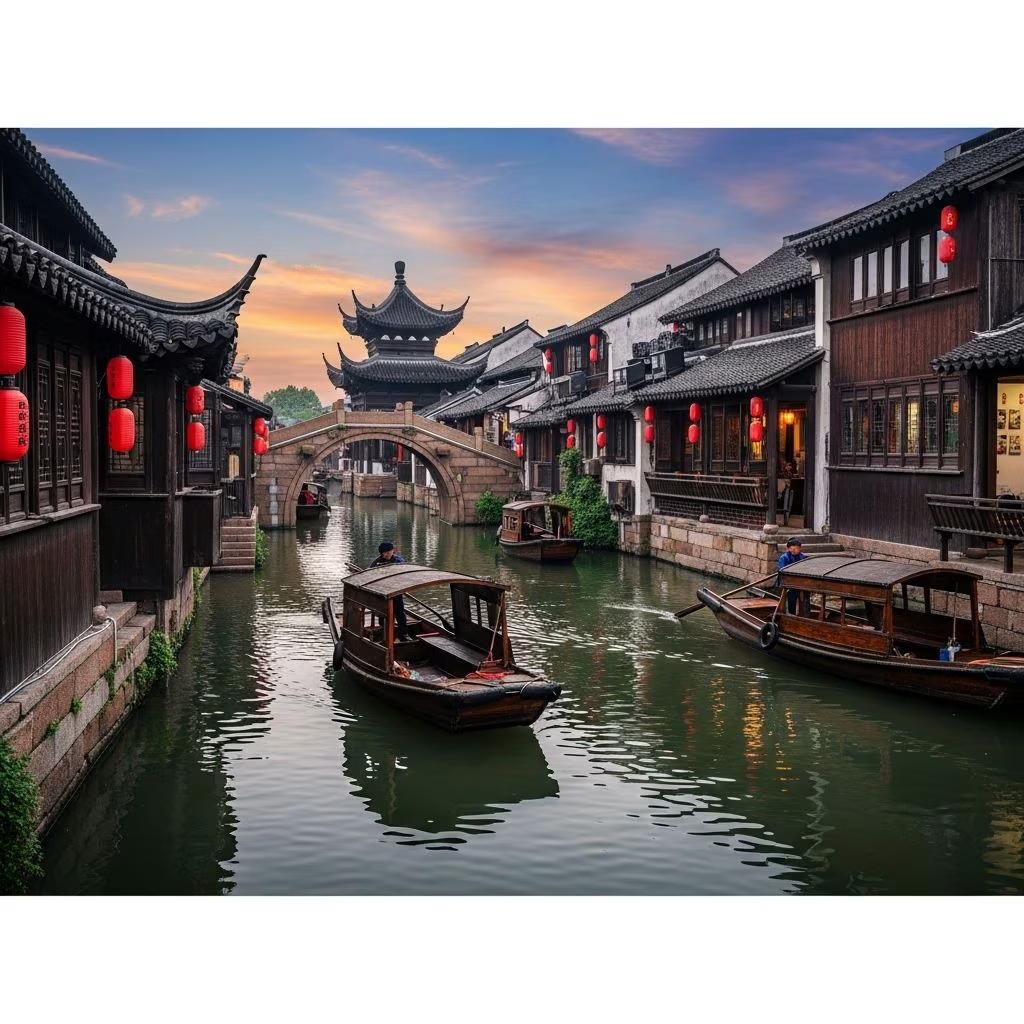
Nestled in the fertile Jiangnan region of eastern China, water towns captivate visitors with their labyrinthine canals, elegant stone bridges, and whitewashed Ming and Qing dynasty homes. These living museums of traditional Chinese life, clustered around major cities like Shanghai, Suzhou, and Hangzhou, provide a serene contrast to modern skyscrapers. Formed by centuries of river trade in rice and silk, they embody the poetic harmony of water and architecture.
The Jiangnan area, south of the Yangtze River, has long been celebrated for its mild climate and prosperous waterways. Water towns emerged as vital hubs during the Song Dynasty (960-1279), evolving into thriving communities by the Ming (1368-1644) and Qing (1644-1912) eras. Today, they preserve over 1,000 years of history, with features like covered walkways, private gardens, and family halls offering glimpses into imperial-era lifestyles.
Unlike Europe’s Venice, these towns integrate water into daily life seamlessly—residents still fish, wash clothes, and navigate by boat. Spring (March-May) and autumn (September-November) are ideal for visits, when blooming plum blossoms or fiery maples enhance the scenery, and temperatures hover comfortably between 15-25°C.
Zhouzhuang, often called the oldest water town, dates to the Northern Song Dynasty. Encircled by rivers, its compact layout features over 60 bridges and 800 preserved residences. Key sites include the grand Shen House, a Qing-era merchant mansion with intricate wood carvings, and Zhang House, showcasing typical江南 courtyard designs. Stroll Fu’an Bridge for panoramic views or hop on a gondola-like boat to feel the pulse of canal life.
Though popular with tour groups—thanks partly to painter Chen Yifei’s iconic depictions—it rewards early arrivals. Local crafts like paper-making and wine brewing thrive in workshops along the lanes.
Just 18km from Suzhou, Tongli spans seven islets linked by 55 bridges over 15 canals, surrounded by five lakes. Founded in the 9th century, it boasts authentic Ming-Qing architecture with pearl-white walls. Highlights include the Retreat & Reflection Garden, a serene UNESCO-listed retreat with pavilions and rockeries, and the Pearl Tower overlooking Luoxingzhou Lake. Jiayin Hall displays antique furniture, while the Three Bridges (Taiping, Changqing, Jili) form a photogenic trifecta.
This vibrant town remains home to locals, offering uncommercialized charm. Boat tours reveal hidden alleys, and canal-side teahouses serve fresh river shrimp.
Over 900 years old and an hour from Shanghai, Xitang stands out with its 1.3km-long covered corridors (*lángpéng*), wooden-roofed walkways shielding pedestrians from rain. Dating to the Warring States period (476-221 BC), its 122 narrow lanes—some just 80cm wide—crisscross 27 rivers via ancient bridges. Film buffs recognize spots from Mission: Impossible III.
Explore Shipi Lane for its intimacy or the Town God Temple for cultural insights. Black-awning boats, propelled by oar and pole, provide unique drifts past sausage-draped homes.
Most towns charge 100-200 CNY entry fees, including boat rides. Day trips from Shanghai (high-speed trains or buses, 1-2 hours) work, but overnight stays in guesthouses capture evening tranquility minus crowds. Combine visits: Shanghai-Zhujiajiao, Suzhou-Tongli-Zhouzhuang, Hangzhou-Wuzhen.
| Town | Distance from Shanghai | Key Feature | Best For |
|---|---|---|---|
| Zhujiajiao | 50km (1hr) | 36 bridges | Day trips |
| Zhouzhuang | 100km (1.5hr) | Merchant mansions | History buffs |
| Tongli | 110km (1.5hr via Suzhou) | 55 bridges | Romantic strolls |
| Xitang | 90km (1hr) | Covered corridors | Rainy days |
| Wuzhen | 120km (2hr) | Handicrafts | Night views |
Beyond sights, engage with traditions: join weaving classes in Zhouzhuang or taste homemade sausage in Anchang. Festivals like the Dragon Boat Race (June) add vibrancy. These towns, many UNESCO tentative sites, sustain economies through ethical tourism.
One day per major town or 3-4 days for a circuit from Shanghai. Overnights enhance the experience.
Yes—flat paths, boat rides, and workshops suit all ages, though narrow lanes challenge strollers.
Wuzhen emphasizes crafts and dual zones; Xitang highlights covered walks and film history.
Possible, but chilly; spring/autumn preferred for colors and comfort.
Limited; use translation apps. Guided tours available.
UNESCO recognition and local efforts combat over-tourism. Opt for sustainable practices: avoid single-use plastics, support family-run spots. These towns remind us of China’s watery heritage, blending past and present.
