

 Travel Essentials
 Travel Essentials

Explore the world's most stunning waterfall hikes with practical guides, difficulty ratings, and travel tips for adventurers of all levels.
 Travel Essentials
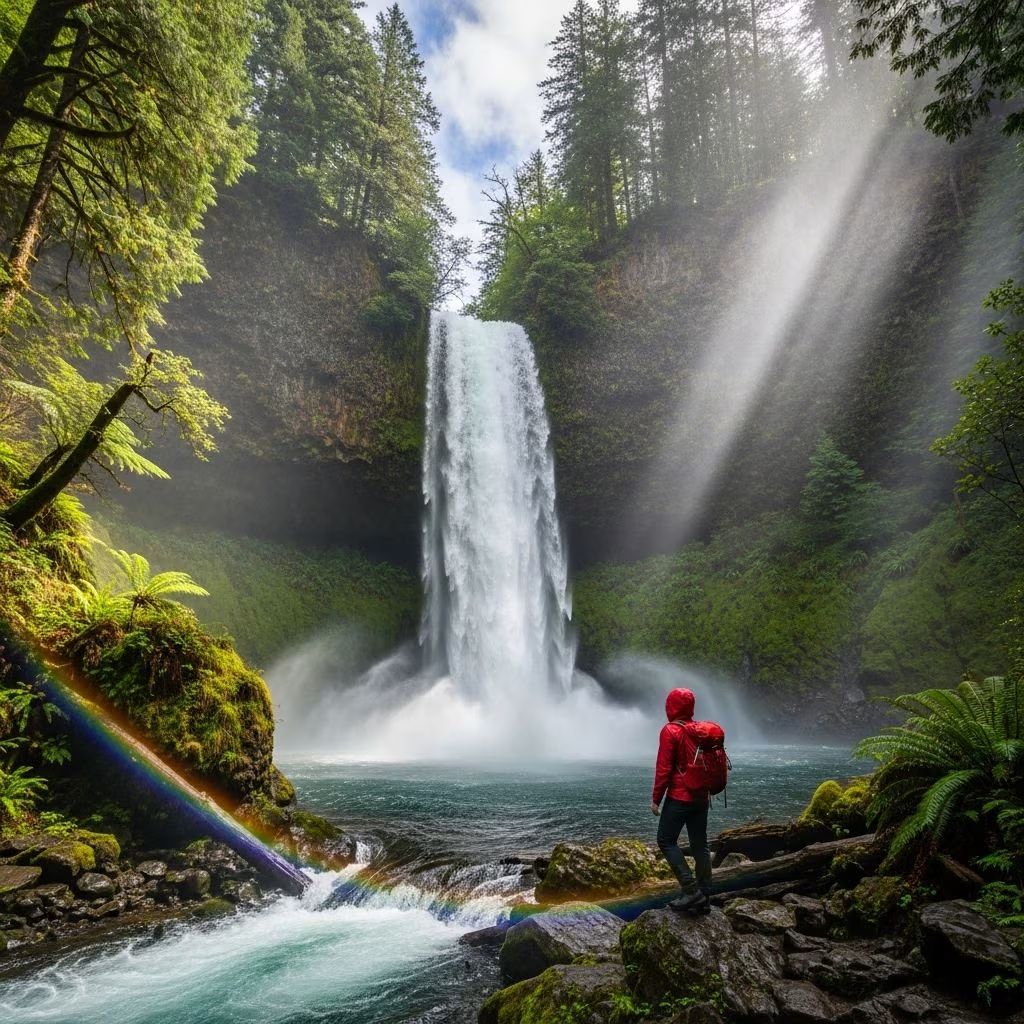
Waterfalls represent some of nature’s most captivating destinations, drawing millions of hikers and nature enthusiasts annually to witness cascading waters and pristine wilderness landscapes. Whether you seek challenging multi-day treks or leisurely afternoon walks, waterfall hiking offers accessible adventure for all experience levels. This comprehensive guide explores exceptional waterfall destinations worldwide, providing practical information to help you plan your next expedition.
The appeal of waterfall hiking extends beyond visual spectacle. These destinations offer unique ecosystems where geological formations create dramatic water features over millennia. The combination of physical activity, scenic beauty, and connection to natural processes makes waterfall expeditions profoundly rewarding experiences. Many hikers report that witnessing powerful waterfalls in person exceeds photographic representations, as the sensory elements—mist, sound, and scale—cannot be fully captured through digital media.
Waterfall environments also support distinctive biodiversity, with unique plant and animal species thriving in moist microclimates. This ecological richness enhances the hiking experience, transforming expeditions into nature education opportunities.
Several waterfalls rank among earth’s most iconic natural wonders. Angel Falls in Venezuela stands as the world’s highest uninterrupted waterfall, plunging 979 meters from atop a table-top mountain within Canaima National Park. The sheer vertical drop creates an otherworldly landscape where water transforms into mist before reaching the jungle floor below. Hiking to Angel Falls requires commitment, as visitors must navigate remote rainforest terrain, typically requiring multi-day expeditions with experienced guides.
Iguazú Falls, straddling the Argentina-Brazil border, demonstrates nature’s power through volume rather than height. The complex comprises 275 individual waterfalls cascading across the landscape, with the horseshoe-shaped Devil’s Throat representing the most dramatic section. This formation drops 269 feet in a thunderous display visible and audible from considerable distances.
Victoria Falls marks the border between Zimbabwe and Zambia, earning recognition as one of earth’s most substantial water features. The massive volume of water, combined with the extensive curtain of spray, creates a sensory experience unlike smaller cascades. Hiking opportunities vary from viewpoint trails to more adventurous scrambles along the gorge.
Niagara Falls, while perhaps the most visited waterfall globally, continues captivating millions annually. Despite its popularity, the sheer scale and power remain impressive, with hiking trails offering multiple perspectives of this famous natural boundary between the United States and Canada.
Beyond globally recognized names, numerous exceptional waterfalls remain relatively undiscovered by mainstream tourism. Kaieteur Falls in Guyana, rising over 250 meters, impresses visitors with its extraordinary water volume and remote jungle setting. The challenging access protects this waterfall from overcrowding, allowing hikers to experience pristine wilderness.
Tiu Kelep Waterfalls near Mount Rinjani in Lombok, Indonesia, rewards hikers with a majestic cascade following a 45-minute jungle trek. The modest entrance fee (approximately $0.70 USD) makes this destination accessible to budget-conscious travelers, while the shorter hike allows families to participate. The same expedition includes Sendang Gile waterfall, providing multiple cascade viewing opportunities within a single outing.
Shoshone Falls in southern Idaho stands as North America’s lesser-known spectacular waterfall. Frequently called the “Niagara of the West” due to its height exceeding Niagara Falls by 45 feet, this cascade deserves greater recognition. The Snake River waterfall demonstrates peak flow during spring months, with late summer and fall potentially showing diminished water volumes due to river diversion.
Accessible waterfall hikes introduce newcomers to outdoor adventure without excessive physical demand. St. Mary Falls in Glacier National Park features relatively unchallenging terrain with well-maintained pathways. The approximately 35-foot waterfall drops across three separate tiers, creating photogenic sections suitable for photography enthusiasts. This trail exemplifies how beginner hikes need not compromise on natural beauty.
Plitvice Lakes in Croatia offers extensive waterfall viewing through boardwalk systems accommodating visitors of varying abilities. The park contains countless cascades embedded within a fairy-tale forest environment, allowing hikers to experience multiple waterfalls without grueling terrain demands.
Moderately challenging hikes combine meaningful physical exertion with accessible completion timeframes. Vernal Falls and Nevada Falls in Yosemite National Park present moderate-to-strenuous conditions across 5-to-9 mile routes depending on selected paths. These waterfalls showcase some of California’s most gorgeous natural displays, rewarding hikers for their effort.
Bow Glacier Falls in Banff National Park and various trails throughout Glacier National Park offer intermediate difficulty ratings, combining scenic alpine environments with manageable physical demands.
Experienced hikers seeking serious adventure can pursue remote waterfall destinations requiring technical skills and extended timeframes. Havasu Falls in the Grand Canyon demands commitment, with a 13-kilometer descent required for access, necessitating careful planning for return ascents. The remote location within Havasupai Indian Reservation protects this waterfall while limiting daily visitor numbers through permit systems.
Angel Falls expeditions rank among adventure travel’s most demanding undertakings, requiring wilderness survival skills, acclimatization to rainforest conditions, and multi-week timeframes.
| Destination | Optimal Visit Period | Key Seasonal Notes |
|---|---|---|
| Shoshone Falls | Spring months | Peak water flow; late summer/fall show reduced volumes due to river diversion |
| Most Northern Hemisphere Falls | May-June | Full water flows and lush scenery |
| Yosemite Waterfalls | Late spring through summer | Snowmelt ensures robust water flow |
| Tropical Destinations | Dry seasons | Reduced accessibility challenges; trail conditions optimal |
Waterfall hikes vary dramatically in physical demands, necessitating appropriate preparation. Beginners should focus on gradual endurance building through regular walking and stair climbing. Intermediate and advanced hikers benefit from strength training emphasizing leg muscles and cardiovascular conditioning. Researching specific trail difficulty ratings and elevation gains allows realistic self-assessment before committing to expeditions.
Proper gear significantly impacts hiking safety and enjoyment. Water-resistant footwear with aggressive tread patterns prevents slipping on wet rocks common near cascades. Lightweight waterproof jackets manage mist spray without excessive weight. Hydration packs, sun protection, and first-aid supplies represent non-negotiable basics. For challenging terrain, trekking poles reduce knee strain on descents while improving stability.
Established waterfall trails typically feature clear markings, yet unexpected route confusion occurs regularly. Downloading offline maps or carrying printed versions ensures navigation reliability when cellular service unavailable. Starting hikes early permits completion before darkness while allowing rest breaks. Solo hiking carries increased risks; traveling with companions enhances safety through shared emergency response capabilities.
Waterfalls present exceptional photographic subjects, attracting photography enthusiasts globally. Iceland’s Gullfoss, along with Ban Gioc and Seljalandsfoss, consistently earn recognition as photographer’s dreams. The combination of water dynamics, surrounding landscapes, and variable lighting conditions creates endless compositional possibilities. Early morning and late afternoon sessions offer superior lighting compared to harsh midday conditions. Polarizing filters enhance color saturation while reducing reflective glare from water surfaces.
Photography-focused expeditions allow additional time for artistic composition, requiring realistic scheduling that prioritizes image quality over rapid destination coverage.
Waterfall hiking accommodates all fitness levels through appropriately selected destinations. Beginner hikers can explore accessible trails like St. Mary Falls with minimal conditioning beyond general health. Intermediate fitness enables moderate trails across 5-9 miles with elevation gain. Advanced fitness permits remote wilderness expeditions requiring specialized skills and extended timeframes.
Seasonal timing varies by location. Northern Hemisphere waterfalls peak during May-June with maximum water flow and lush vegetation. Spring generally optimizes waterfall flow in temperate regions due to snowmelt. Tropical destinations often require dry season visits for trail accessibility. Always research specific destinations before scheduling expeditions.
Primary concerns include slippery rock surfaces, swift water currents, and sudden weather changes. Never cross swollen streams or wading areas during peak flow periods. Supervise children closely, particularly near unguarded edges. Avoid hiking during thunderstorms when flash flooding becomes hazardous. Travel with companions when possible, and always inform others of your expedition plans.
Start with shorter, well-established trails featuring clear markings and moderate difficulty ratings. Invest in appropriate footwear with substantial traction and ankle support. Bring excessive water (beyond anticipated needs) since waterfall mist creates dehydration illusions. Practice on local trails before attempting destination expeditions. Consider hiring experienced guides for remote locations.
Core requirements include waterproof footwear, moisture-wicking clothing, sun protection, and sufficient hydration capacity. Trekking poles reduce joint stress, particularly during descents on steep terrain. Lightweight waterproof jackets manage mist exposure. A basic first-aid kit, emergency whistle, and headlamp represent prudent additions for safety margins.
Growing communities of waterfall enthusiasts share experiences, recommendations, and practical knowledge through online platforms and in-person hiking groups. These networks provide invaluable resources for trip planning, featuring detailed trail reviews, seasonal updates, and permit information. Many established waterfall destinations offer guided expedition services through local operators familiar with conditions, cultural protocols, and safety procedures. Connecting with experienced guides enhances both safety and cultural sensitivity, particularly when visiting indigenous territories or protected reserves.
Increasing visitor numbers at popular waterfall destinations create environmental pressures requiring conscious mitigation. Leave-no-trace principles—removing all trash, staying on marked trails, and minimizing vegetation disturbance—protect ecosystems supporting these natural wonders. Some locations implement permit systems limiting daily visitors, necessitating advance booking. Respecting local cultures and regulations demonstrates appreciation for waterfall environments and supports sustainable tourism benefiting local communities long-term.
Waterfall hiking offers transformative adventures combining physical activity, natural beauty, and personal challenge. From beginner-accessible boardwalks to extreme wilderness expeditions, diverse opportunities accommodate varying interests and abilities. Thoughtful preparation, realistic self-assessment, and respect for natural environments enable safe, memorable experiences. Whether witnessing Angel Falls’ extraordinary height, experiencing Iguazú’s breathtaking volume, or discovering hidden cascades in remote regions, waterfall destinations reward adventurous spirits with experiences transcending ordinary travel.
